Explorer
Log in

Secrets de l'expérience de l'histoire coloniale de Williamsburg

Aperçu
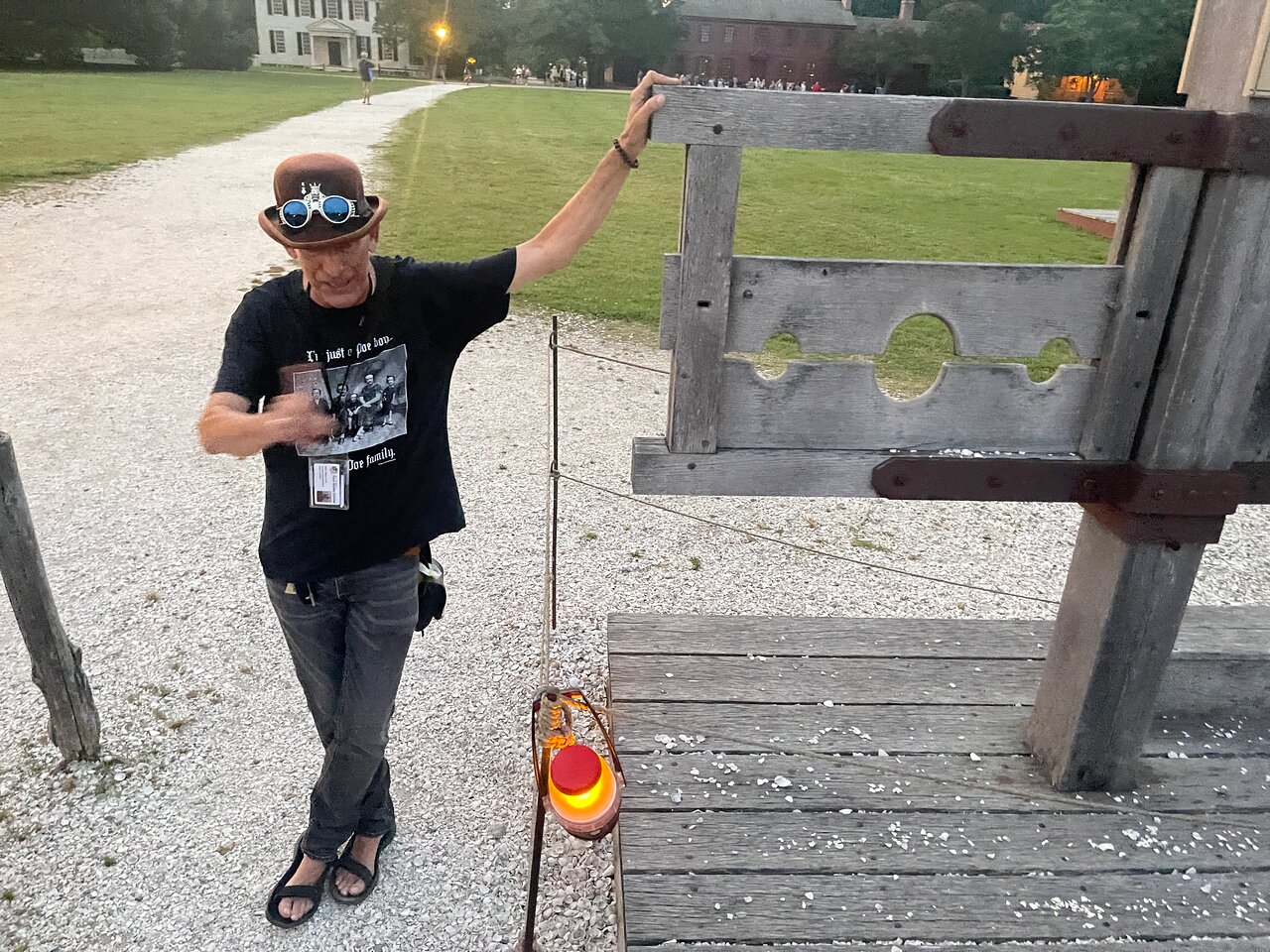
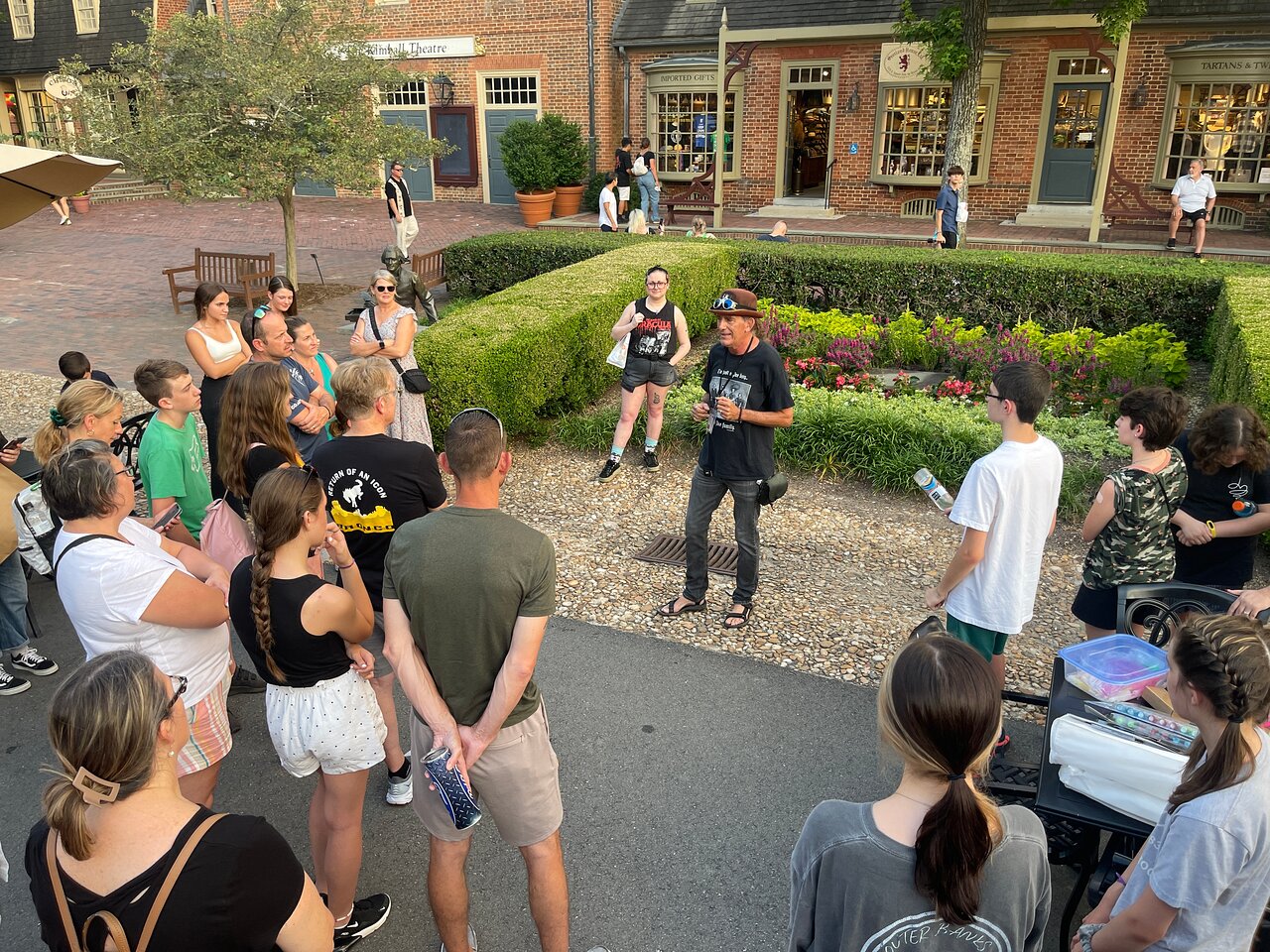
Come on our historical tour presented by Junket!

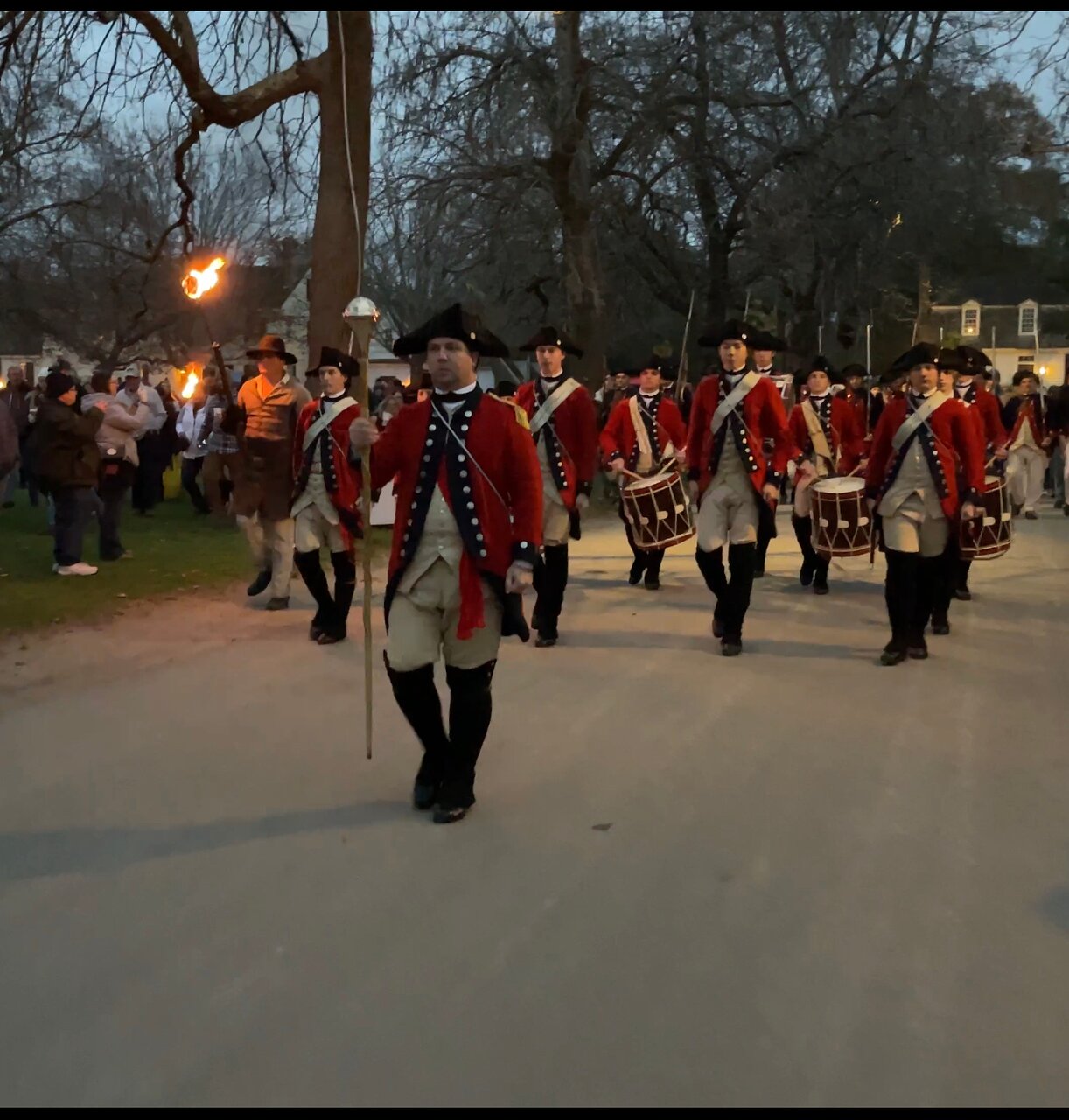
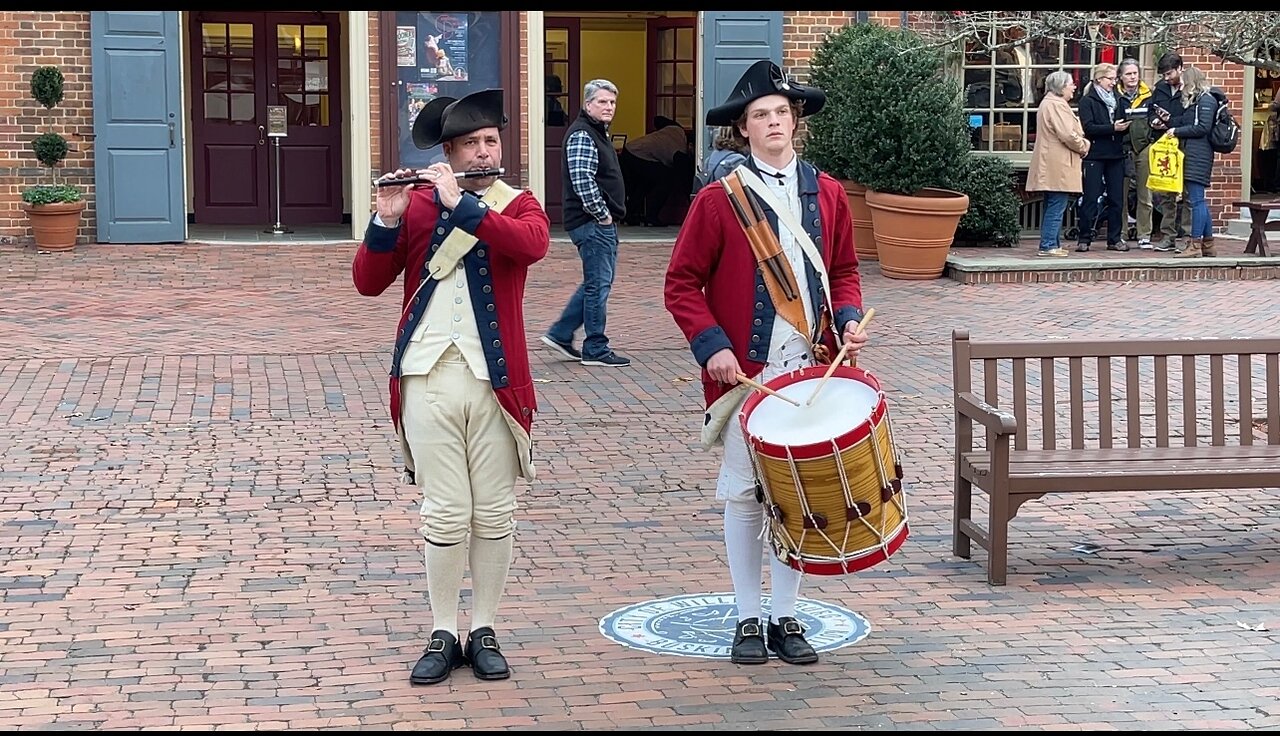
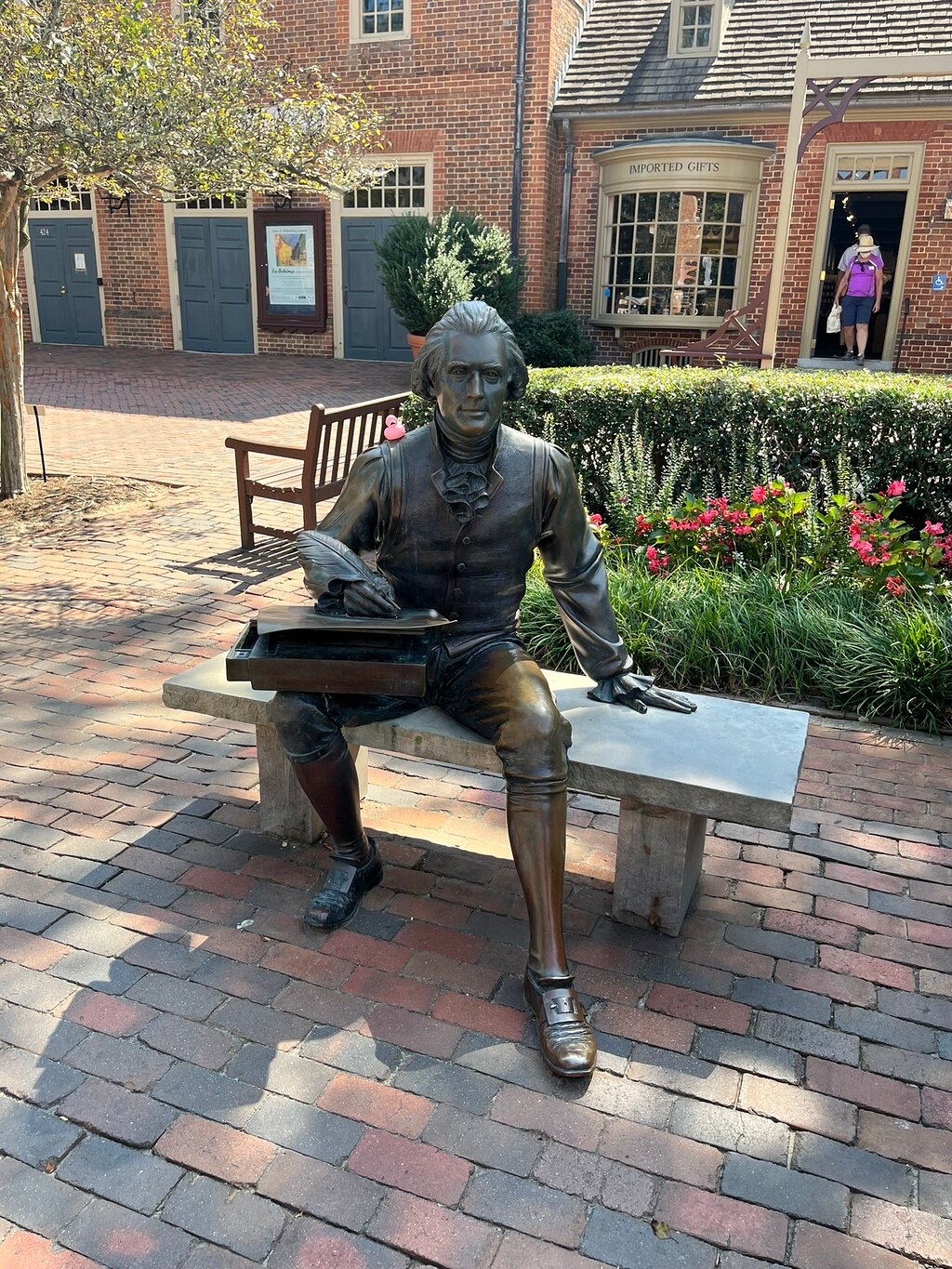
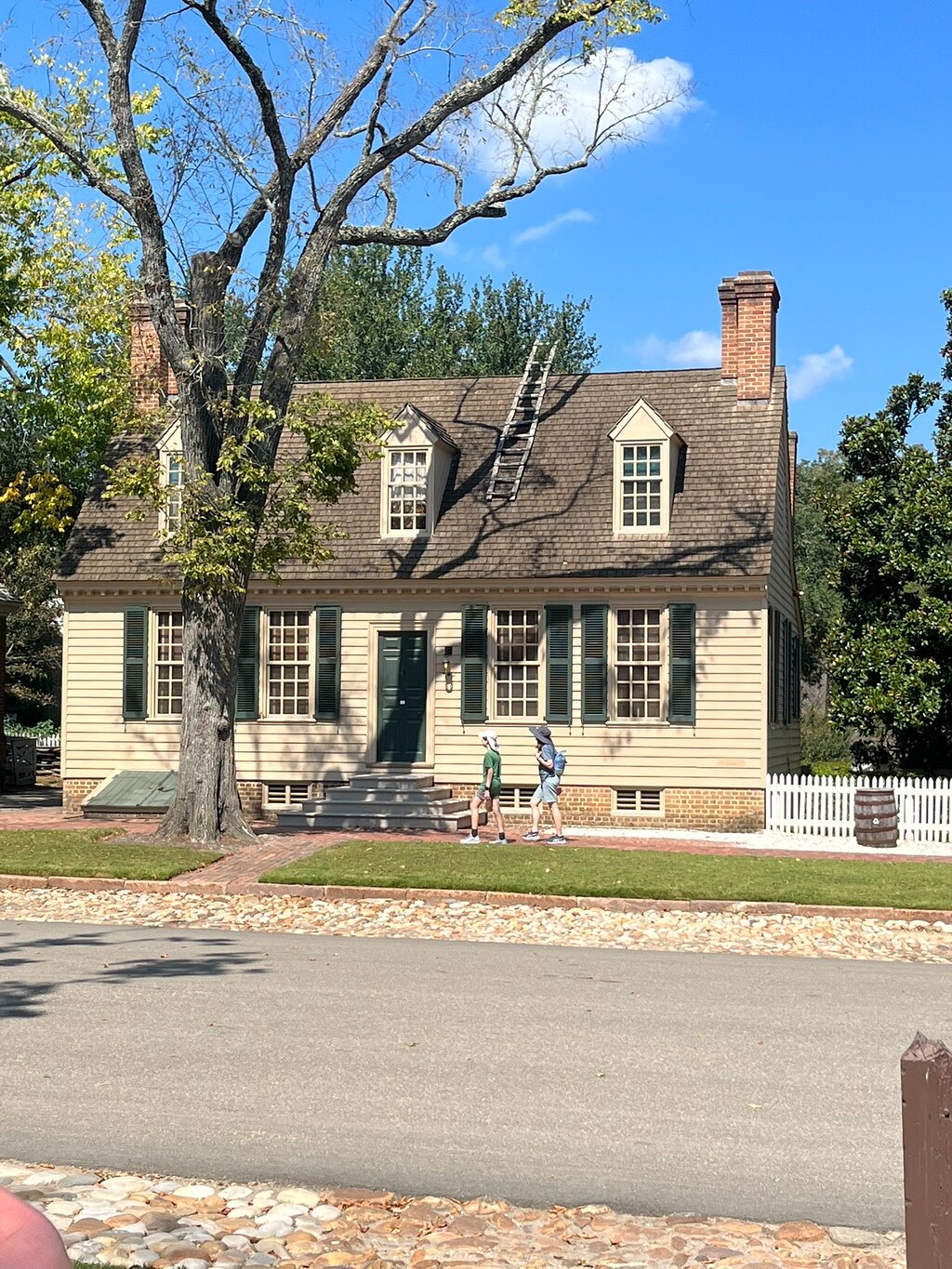
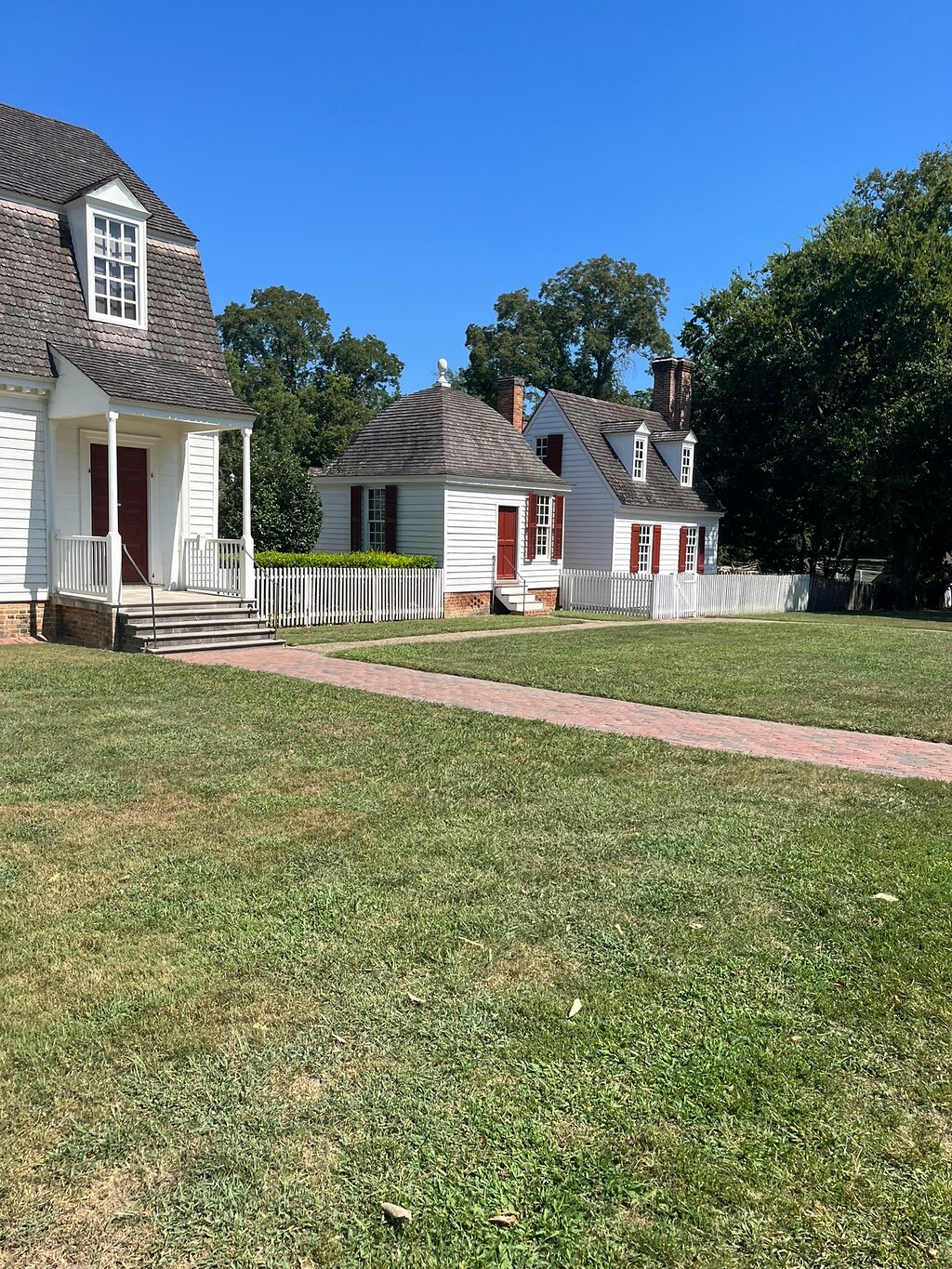
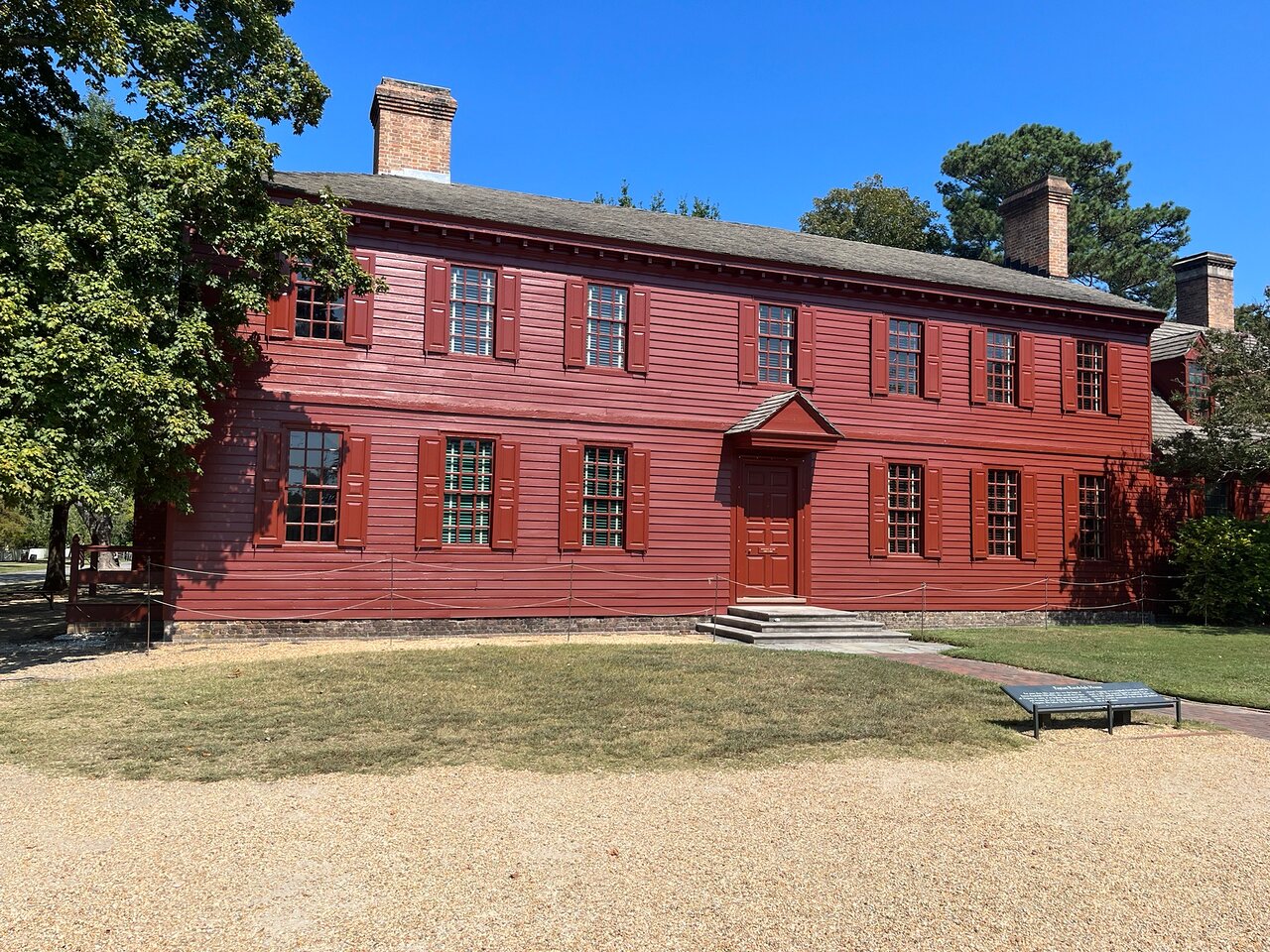
Colonial Williamsburg is a living history museum. We'll examine Williamsburg in its early colonial guise. You'll experience what it was like to reside in the colonial capital during a time when ruthless businesspeople, ruthless politicians, enslaved Africans, and possibly a few pirates walked these streets. Investigate the homes, business, places of government, and houses of worship that were integral to society in Colonial Williamsburg. Rewind to a period when the cries of emancipation reverberated through the halls of power and the murmurs of American independence hung thick in the air.

Ville: Williamsburg
Thu 26 Feb
i
Vous pouvez déjà choisir la date sur le site de réservation
À partir de $31.00
Thu 26 Feb
À partir de $31.00
Faire une réservation
Ce qui est inclu
Thoroughly researched and accurate history
Professional and courteous guide
Thoroughly researched and accurate history
Professional and courteous guide
Guides touristiques professionnels et courtois
Tous les frais et taxes
Thoroughly researched and accurate history
Information additionnelle
  • Wheelchair accessible
  • Infants and small children can ride in a pram or stroller
  • Service animals allowed
  • Public transportation options are available nearby
  • Transportation options are wheelchair accessible
  • All areas and surfaces are wheelchair accessible
  • Not recommended for travelers with poor cardiovascular health
  • Travelers should have at least a moderate level of physical fitness
À quoi s'attendre
1
Public Hospital Museum
"Idiots, lunatics, and those of insane mind" were to be housed in this institution, according to its founding documents. Although conditions were frequently not much better than those in jails, several doctors tried to make things better for their patients. After the Civil War, the situation worsened once again, and in the 1890s, the original structure burned down.
2
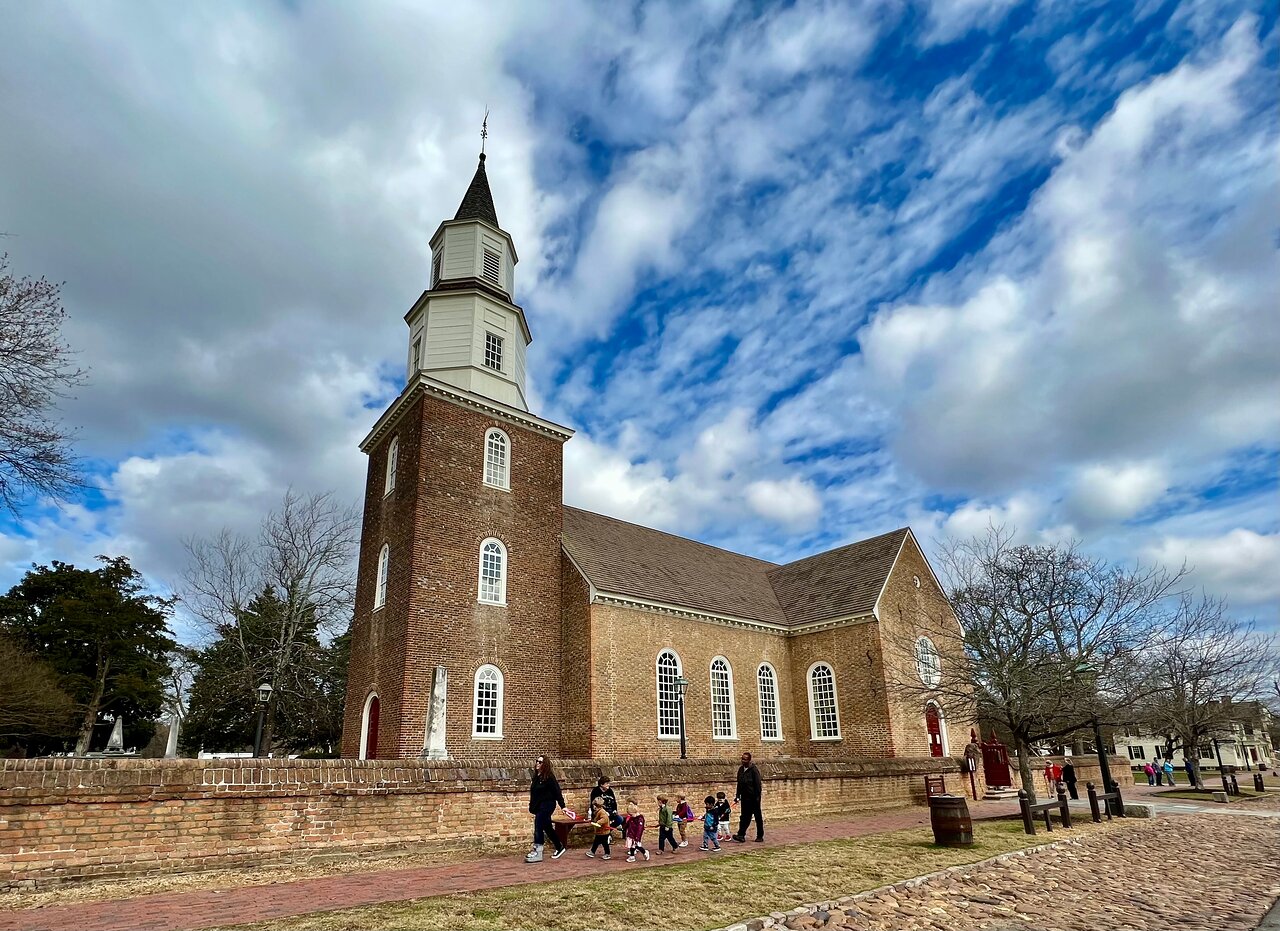
Bruton Parish Episcopal Church
The church was established in 1682, and the current structure was built in 1715. At various times during their lifetimes, five presidents frequented this church. Martha Washington's first husband and two of their children are interred in the church's cemetery.
3
George Wythe House
Professor of law, politician, judge, and signer of the Declaration of Independence: George Wythe was an accomplished man. John Marshall (Supreme Court Justice) and Thomas Jefferson were among his pupils. Examine the controversy surrounding his passing.
4
Governor's Palace
The structure you'll see was a replica completed in 1934, but Thomas Jefferson, who previously lived there while serving as governor of Virginia after the Revolutionary War, had the original ideas for its construction.
5
Public Hospital Museum
"Idiots, lunatics, and those of insane mind" were to be housed in this institution, according to its founding documents. Although conditions were frequently not much better than those in jails, several doctors tried to make things better for their patients. After the Civil War, the situation worsened once again, and in the 1890s, the original structure burned down.
6
Bruton Parish Episcopal Church
The church was established in 1682, and the current structure was built in 1715. At various times during their lifetimes, five presidents frequented this church. Martha Washington's first husband and two of their children are interred in the church's cemetery.
7
George Wythe House
Professor of law, politician, judge, and signer of the Declaration of Independence: George Wythe was an accomplished man. John Marshall (Supreme Court Justice) and Thomas Jefferson were among his pupils. Examine the controversy surrounding his passing.
8
Governor's Palace
The structure you'll see was a replica completed in 1934, but Thomas Jefferson, who previously lived there while serving as governor of Virginia after the Revolutionary War, had the original ideas for its construction.
9
Musée de l'hôpital public
"Les idiots, les fous et les aliénés" devaient être logés dans cette institution, selon ses documents fondateurs. Bien que les conditions n'étaient souvent pas meilleures que celles des prisons, plusieurs médecins ont essayé d'améliorer les choses pour leurs patients. Après la guerre civile, la situation s'est encore aggravée et, dans les années 1890, la structure d'origine a brûlé.
10
Église épiscopale paroissiale de Bruton
L'église a été fondée en 1682 et la structure actuelle a été construite en 1715. À divers moments de leur vie, cinq présidents ont fréquenté cette église. Le premier mari de Martha Washington et deux de leurs enfants sont enterrés dans le cimetière de l'église.
11
Maison George Wythe
Professeur de droit, homme politique, juge et signataire de la déclaration d'indépendance : George Wythe était un homme accompli. John Marshall (Supreme Court Justice) et Thomas Jefferson étaient parmi ses élèves. Examinez la controverse entourant son décès.
12
Palais du Gouverneur
La structure que vous verrez était une réplique achevée en 1934, mais Thomas Jefferson, qui y vivait auparavant alors qu'il était gouverneur de Virginie après la guerre d'indépendance, avait les idées originales pour sa construction.
13
Public Hospital Museum
"Idiots, lunatics, and those of insane mind" were to be housed in this institution, according to its founding documents. Although conditions were frequently not much better than those in jails, several doctors tried to make things better for their patients. After the Civil War, the situation worsened once again, and in the 1890s, the original structure burned down.
14
Bruton Parish Episcopal Church
The church was established in 1682, and the current structure was built in 1715. At various times during their lifetimes, five presidents frequented this church. Martha Washington's first husband and two of their children are interred in the church's cemetery.
15
George Wythe House
Professor of law, politician, judge, and signer of the Declaration of Independence: George Wythe was an accomplished man. John Marshall (Supreme Court Justice) and Thomas Jefferson were among his pupils. Examine the controversy surrounding his passing.
16
Governor's Palace
The structure you'll see was a replica completed in 1934, but Thomas Jefferson, who previously lived there while serving as governor of Virginia after the Revolutionary War, had the original ideas for its construction.
17
Public Hospital Museum
"Idiots, lunatics, and those of insane mind" were to be housed in this institution, according to its founding documents. Although conditions were frequently not much better than those in jails, several doctors tried to make things better for their patients. After the Civil War, the situation worsened once again, and in the 1890s, the original structure burned down.
18
Bruton Parish Episcopal Church
The church was established in 1682, and the current structure was built in 1715. At various times during their lifetimes, five presidents frequented this church. Martha Washington's first husband and two of their children are interred in the church's cemetery.
19
George Wythe House
Professor of law, politician, judge, and signer of the Declaration of Independence: George Wythe was an accomplished man. John Marshall (Supreme Court Justice) and Thomas Jefferson were among his pupils. Examine the controversy surrounding his passing.
20
Governor's Palace
The structure you'll see was a replica completed in 1934, but Thomas Jefferson, who previously lived there while serving as governor of Virginia after the Revolutionary War, had the original ideas for its construction.
21
Public Hospital Museum
"Idiots, lunatics, and those of insane mind" were to be housed in this institution, according to its founding documents. Although conditions were frequently not much better than those in jails, several doctors tried to make things better for their patients. After the Civil War, the situation worsened once again, and in the 1890s, the original structure burned down.
22
Bruton Parish Episcopal Church
The church was established in 1682, and the current structure was built in 1715. At various times during their lifetimes, five presidents frequented this church. Martha Washington's first husband and two of their children are interred in the church's cemetery.
23
George Wythe House
Professor of law, politician, judge, and signer of the Declaration of Independence: George Wythe was an accomplished man. John Marshall (Supreme Court Justice) and Thomas Jefferson were among his pupils. Examine the controversy surrounding his passing.
24
Governor's Palace
The structure you'll see was a replica completed in 1934, but Thomas Jefferson, who previously lived there while serving as governor of Virginia after the Revolutionary War, had the original ideas for its construction.
25
Public Hospital Museum
"Idiots, lunatics, and those of insane mind" were to be housed in this institution, according to its founding documents. Although conditions were frequently not much better than those in jails, several doctors tried to make things better for their patients. After the Civil War, the situation worsened once again, and in the 1890s, the original structure burned down.
26
Bruton Parish Episcopal Church
The church was established in 1682, and the current structure was built in 1715. At various times during their lifetimes, five presidents frequented this church. Martha Washington's first husband and two of their children are interred in the church's cemetery.
27
George Wythe House
Professor of law, politician, judge, and signer of the Declaration of Independence: George Wythe was an accomplished man. John Marshall (Supreme Court Justice) and Thomas Jefferson were among his pupils. Examine the controversy surrounding his passing.
28
Governor's Palace
The structure you'll see was a replica completed in 1934, but Thomas Jefferson, who previously lived there while serving as governor of Virginia after the Revolutionary War, had the original ideas for its construction.
29
Public Hospital Museum
"Idiots, lunatics, and those of insane mind" were to be housed in this institution, according to its founding documents. Although conditions were frequently not much better than those in jails, several doctors tried to make things better for their patients. After the Civil War, the situation worsened once again, and in the 1890s, the original structure burned down.
30
Bruton Parish Episcopal Church
The church was established in 1682, and the current structure was built in 1715. At various times during their lifetimes, five presidents frequented this church. Martha Washington's first husband and two of their children are interred in the church's cemetery.
31
George Wythe House
Professor of law, politician, judge, and signer of the Declaration of Independence: George Wythe was an accomplished man. John Marshall (Supreme Court Justice) and Thomas Jefferson were among his pupils. Examine the controversy surrounding his passing.
32
Governor's Palace
The structure you'll see was a replica completed in 1934, but Thomas Jefferson, who previously lived there while serving as governor of Virginia after the Revolutionary War, had the original ideas for its construction.
33
Public Hospital Museum
"Idiots, lunatics, and those of insane mind" were to be housed in this institution, according to its founding documents. Although conditions were frequently not much better than those in jails, several doctors tried to make things better for their patients. After the Civil War, the situation worsened once again, and in the 1890s, the original structure burned down.
34
Bruton Parish Episcopal Church
The church was established in 1682, and the current structure was built in 1715. At various times during their lifetimes, five presidents frequented this church. Martha Washington's first husband and two of their children are interred in the church's cemetery.
35
George Wythe House
Professor of law, politician, judge, and signer of the Declaration of Independence: George Wythe was an accomplished man. John Marshall (Supreme Court Justice) and Thomas Jefferson were among his pupils. Examine the controversy surrounding his passing.
36
Governor's Palace
The structure you'll see was a replica completed in 1934, but Thomas Jefferson, who previously lived there while serving as governor of Virginia after the Revolutionary War, had the original ideas for its construction.
37
Public Hospital Museum
"Idiots, lunatics, and those of insane mind" were to be housed in this institution, according to its founding documents. Although conditions were frequently not much better than those in jails, several doctors tried to make things better for their patients. After the Civil War, the situation worsened once again, and in the 1890s, the original structure burned down.
38
Bruton Parish Episcopal Church
The church was established in 1682, and the current structure was built in 1715. At various times during their lifetimes, five presidents frequented this church. Martha Washington's first husband and two of their children are interred in the church's cemetery.
39
George Wythe House
Professor of law, politician, judge, and signer of the Declaration of Independence: George Wythe was an accomplished man. John Marshall (Supreme Court Justice) and Thomas Jefferson were among his pupils. Examine the controversy surrounding his passing.
40
Governor's Palace
The structure you'll see was a replica completed in 1934, but Thomas Jefferson, who previously lived there while serving as governor of Virginia after the Revolutionary War, had the original ideas for its construction.
41
Public Hospital Museum
"Idiots, lunatics, and those of insane mind" were to be housed in this institution, according to its founding documents. Although conditions were frequently not much better than those in jails, several doctors tried to make things better for their patients. After the Civil War, the situation worsened once again, and in the 1890s, the original structure burned down.
42
Bruton Parish Episcopal Church
The church was established in 1682, and the current structure was built in 1715. At various times during their lifetimes, five presidents frequented this church. Martha Washington's first husband and two of their children are interred in the church's cemetery.
43
George Wythe House
Professor of law, politician, judge, and signer of the Declaration of Independence: George Wythe was an accomplished man. John Marshall (Supreme Court Justice) and Thomas Jefferson were among his pupils. Examine the controversy surrounding his passing.
44
Governor's Palace
The structure you'll see was a replica completed in 1934, but Thomas Jefferson, who previously lived there while serving as governor of Virginia after the Revolutionary War, had the original ideas for its construction.
45
Public Hospital Museum
"Idiots, lunatics, and those of insane mind" were to be housed in this institution, according to its founding documents. Although conditions were frequently not much better than those in jails, several doctors tried to make things better for their patients. After the Civil War, the situation worsened once again, and in the 1890s, the original structure burned down.
46
Bruton Parish Episcopal Church
The church was established in 1682, and the current structure was built in 1715. At various times during their lifetimes, five presidents frequented this church. Martha Washington's first husband and two of their children are interred in the church's cemetery.
47
George Wythe House
Professor of law, politician, judge, and signer of the Declaration of Independence: George Wythe was an accomplished man. John Marshall (Supreme Court Justice) and Thomas Jefferson were among his pupils. Examine the controversy surrounding his passing.
48
Governor's Palace
The structure you'll see was a replica completed in 1934, but Thomas Jefferson, who previously lived there while serving as governor of Virginia after the Revolutionary War, had the original ideas for its construction.
49
Public Hospital Museum
"Idiots, lunatics, and those of insane mind" were to be housed in this institution, according to its founding documents. Although conditions were frequently not much better than those in jails, several doctors tried to make things better for their patients. After the Civil War, the situation worsened once again, and in the 1890s, the original structure burned down.
50
Bruton Parish Episcopal Church
The church was established in 1682, and the current structure was built in 1715. At various times during their lifetimes, five presidents frequented this church. Martha Washington's first husband and two of their children are interred in the church's cemetery.
51
George Wythe House
Professor of law, politician, judge, and signer of the Declaration of Independence: George Wythe was an accomplished man. John Marshall (Supreme Court Justice) and Thomas Jefferson were among his pupils. Examine the controversy surrounding his passing.
52
Governor's Palace
The structure you'll see was a replica completed in 1934, but Thomas Jefferson, who previously lived there while serving as governor of Virginia after the Revolutionary War, had the original ideas for its construction.
53
Public Hospital Museum
"Idiots, lunatics, and those of insane mind" were to be housed in this institution, according to its founding documents. Although conditions were frequently not much better than those in jails, several doctors tried to make things better for their patients. After the Civil War, the situation worsened once again, and in the 1890s, the original structure burned down.
54
Bruton Parish Episcopal Church
The church was established in 1682, and the current structure was built in 1715. At various times during their lifetimes, five presidents frequented this church. Martha Washington's first husband and two of their children are interred in the church's cemetery.
55
George Wythe House
Professor of law, politician, judge, and signer of the Declaration of Independence: George Wythe was an accomplished man. John Marshall (Supreme Court Justice) and Thomas Jefferson were among his pupils. Examine the controversy surrounding his passing.
56
Governor's Palace
The structure you'll see was a replica completed in 1934, but Thomas Jefferson, who previously lived there while serving as governor of Virginia after the Revolutionary War, had the original ideas for its construction.
Show 53 plus d'arrêts
Politique d'annulation
For a full refund, cancel at least 24 hours before the scheduled departure time.
Photos de voyageurs
Commentaires (24)
NinaCWS
Apr 2023
Excellent tour. Great stories! Spooky but not terrible. Our tour guide was great and kept the general mood lighthearted between stops. An overall fun time a great way to learn a bit about Williamsburg history
Réponse de l'hôte
Apr 2023
Hello Nina! Thank you very much for you review. We are happy to see you had an excellent tour with our guide! We hope to see you again!
Rob C
Jan 2023
I did a solo tour but Patrick was a great guide. Knowledgeable and friendly. The company itself seems disorganized, as my first tour was cancelled 10 minutes prior and I didn't know the re-scheduled one was happening until Patrick showed up (because he hadn't heard either). Anyway, this tour was full of information and light on the ghost-mentions, which is what I was looking for.
Réponse de l'hôte
Mar 2023
Hello Rob! I am glad that you enjoyed the tour and had a great time with Patrick. Thank you for sharing your feedback about the rescheduling situation. We will check what happened that night and fix it. We hope you’ll check out one of our other locations and tour experiences in over 50 cities or an overnight stay at usghostadventures.com!
Valentyna_R
Jan 2023
Our guide was Patrick, he was great. Taking this tour was am amazing way to get to know downtown Williamsburg.
Réponse de l'hôte
Mar 2023
Thank you Valenty for taking the time to share your experience with us! We are so glad to hear that you had an amazing experience with Junket! Patrick will be very pleased to know that you enjoyed him as your guide! We hope you’ll check out one of our other locations and tour experiences in over 50 cities or an overnight stay at usghostadventures.com!

Événements connexes

Événements dans le même quartier

Nous pensons que votre langue est English
Dans quelle langue souhaitez-vous voir cette page ?
English English
Nous pensons que votre ville est La ville de New York
Dans quelle ville souhaitez-vous explorer ?
La ville de New York
New York City