Ничего не найдено
Исследовать
Log in

Секреты колониальной истории Вильямсбурга

Обзор
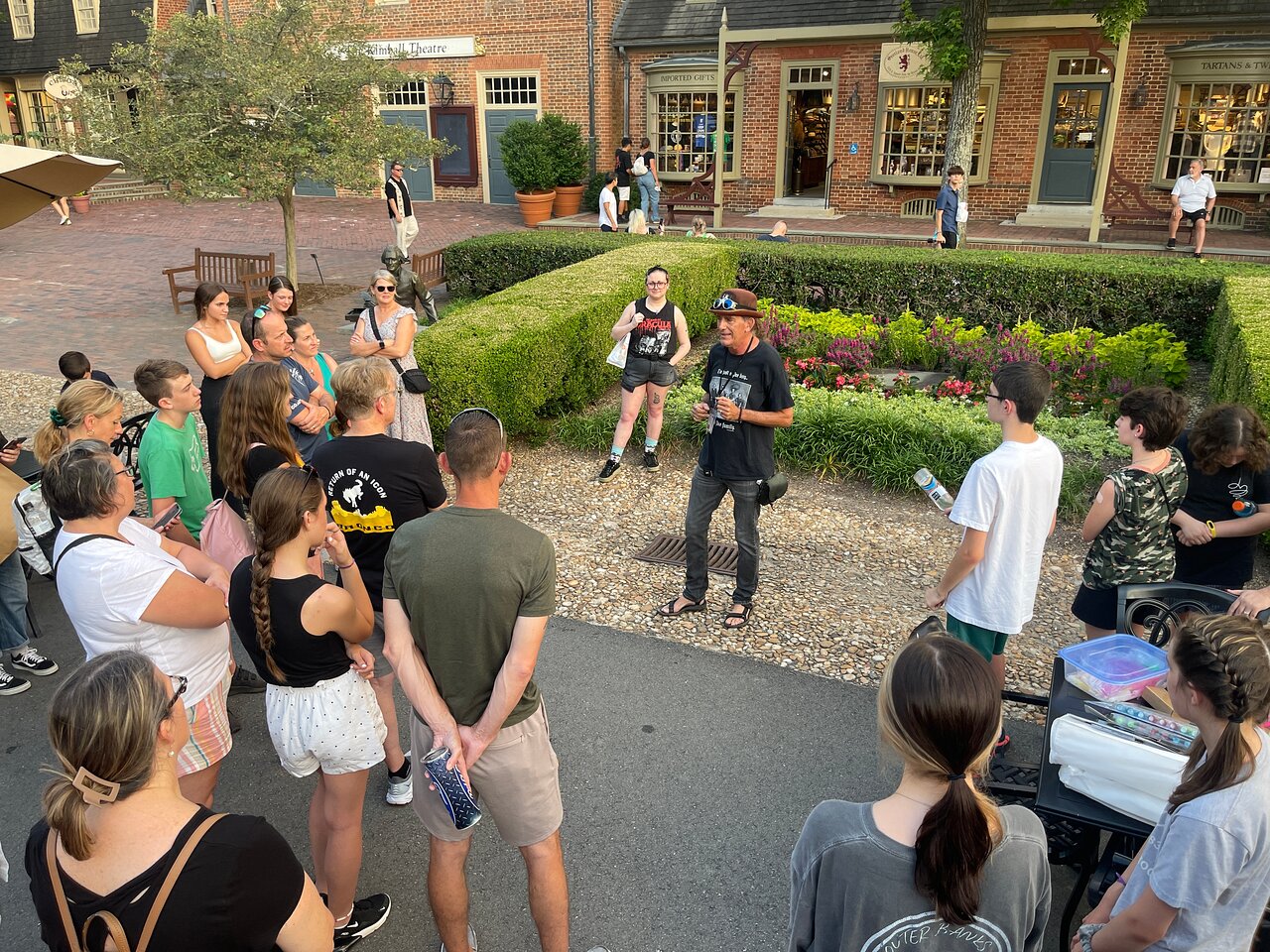
Come on our historical tour presented by Junket!

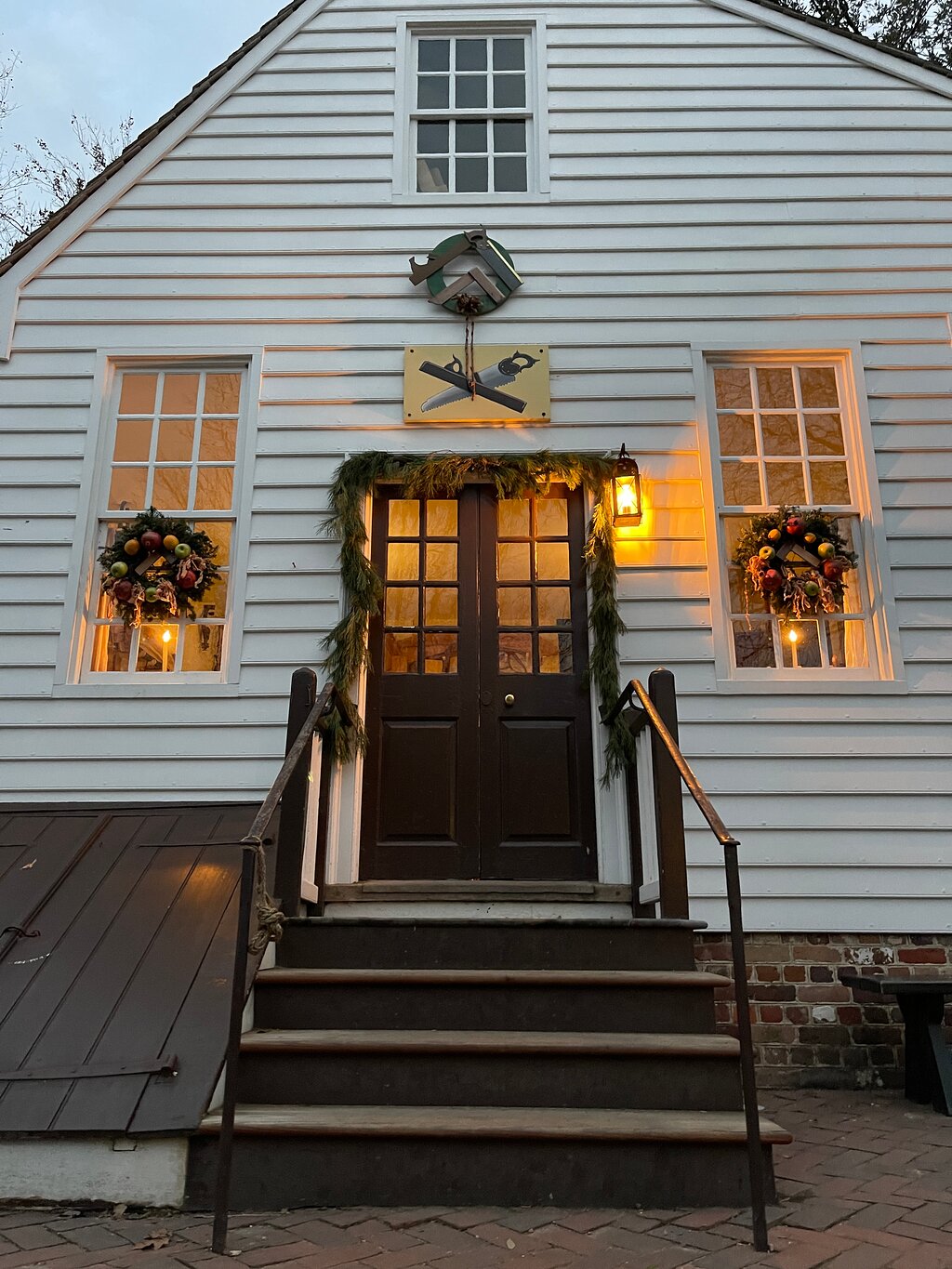
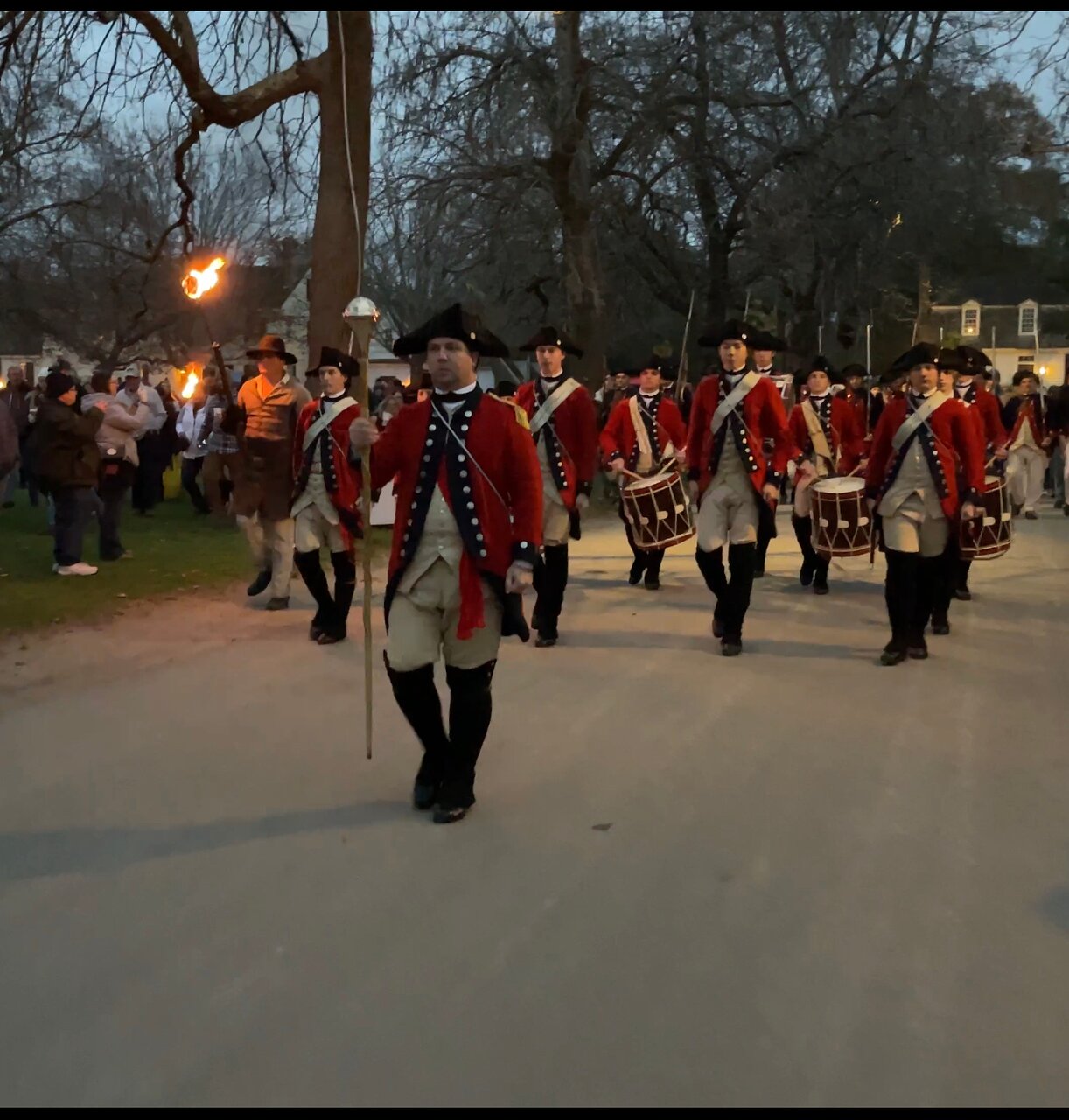
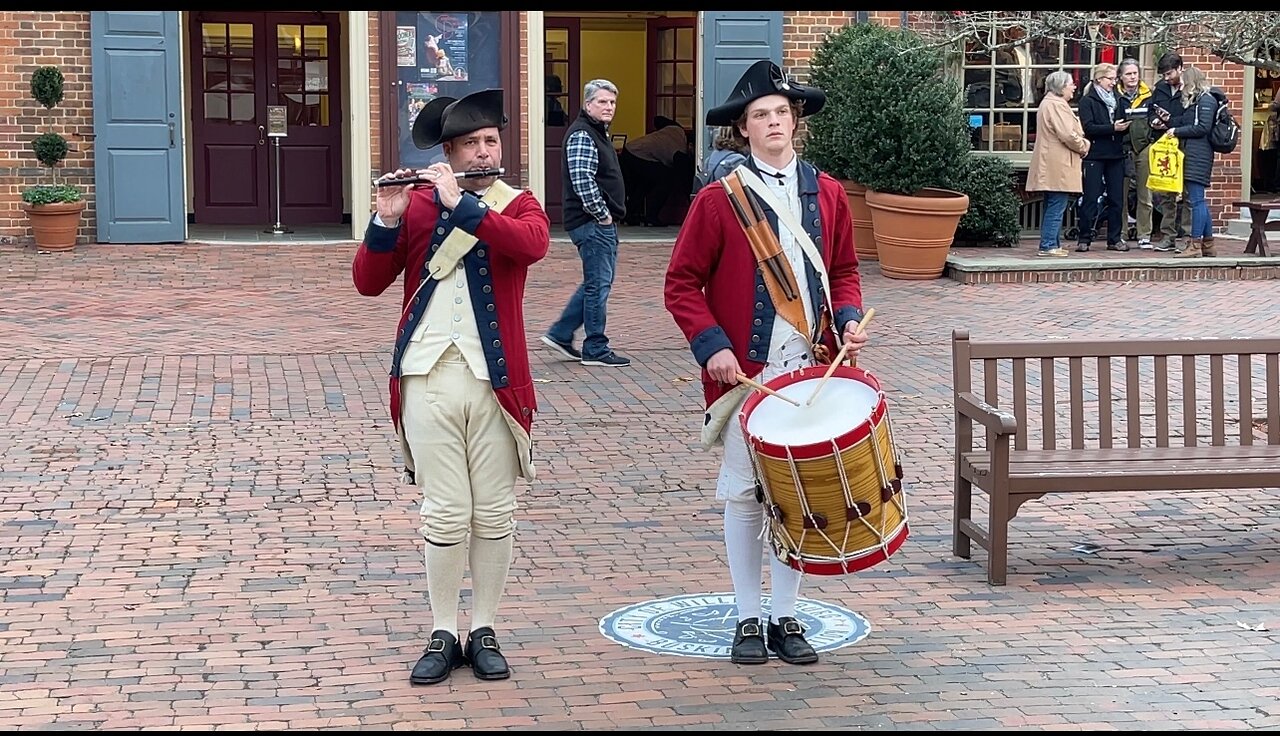
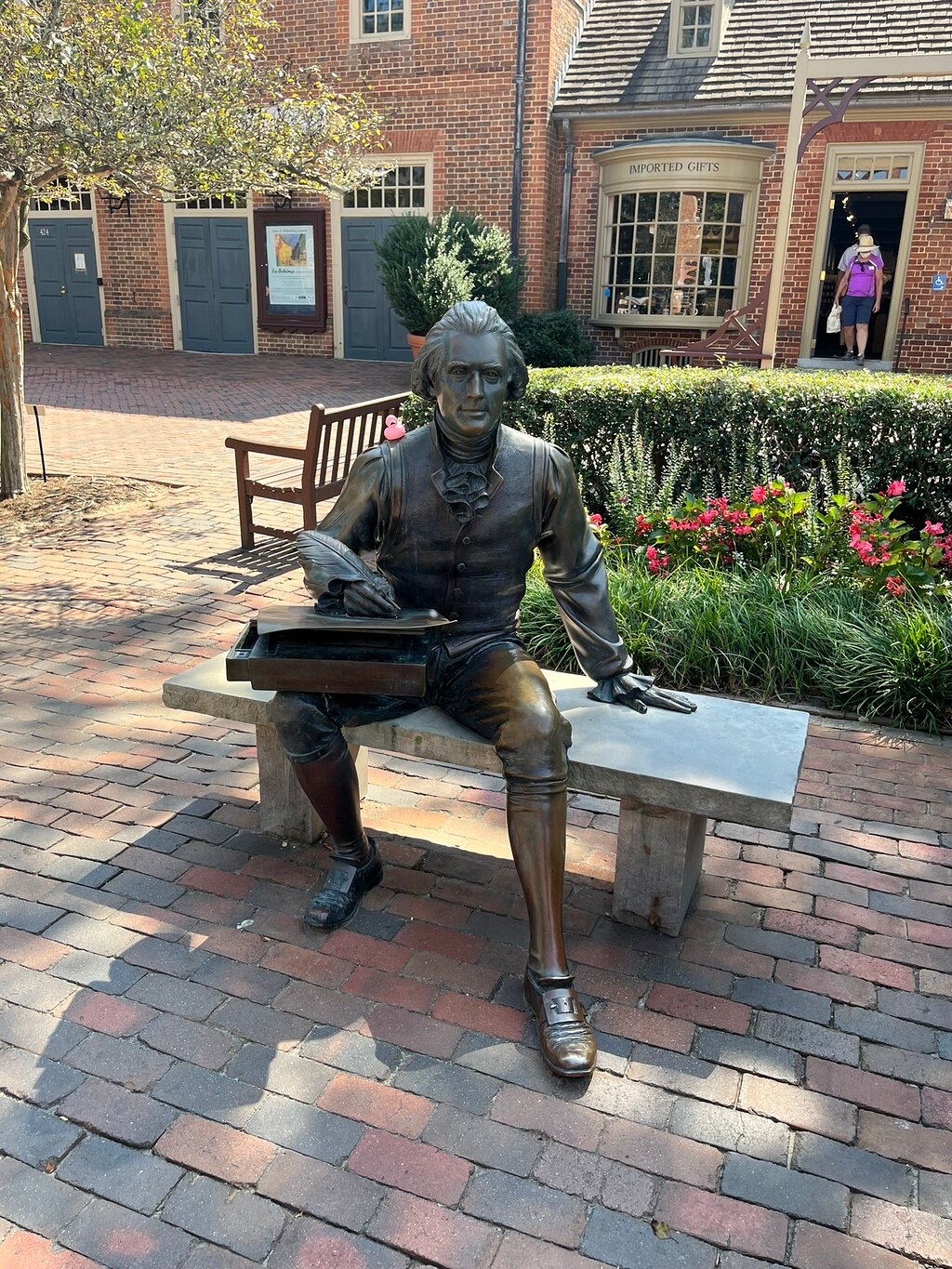
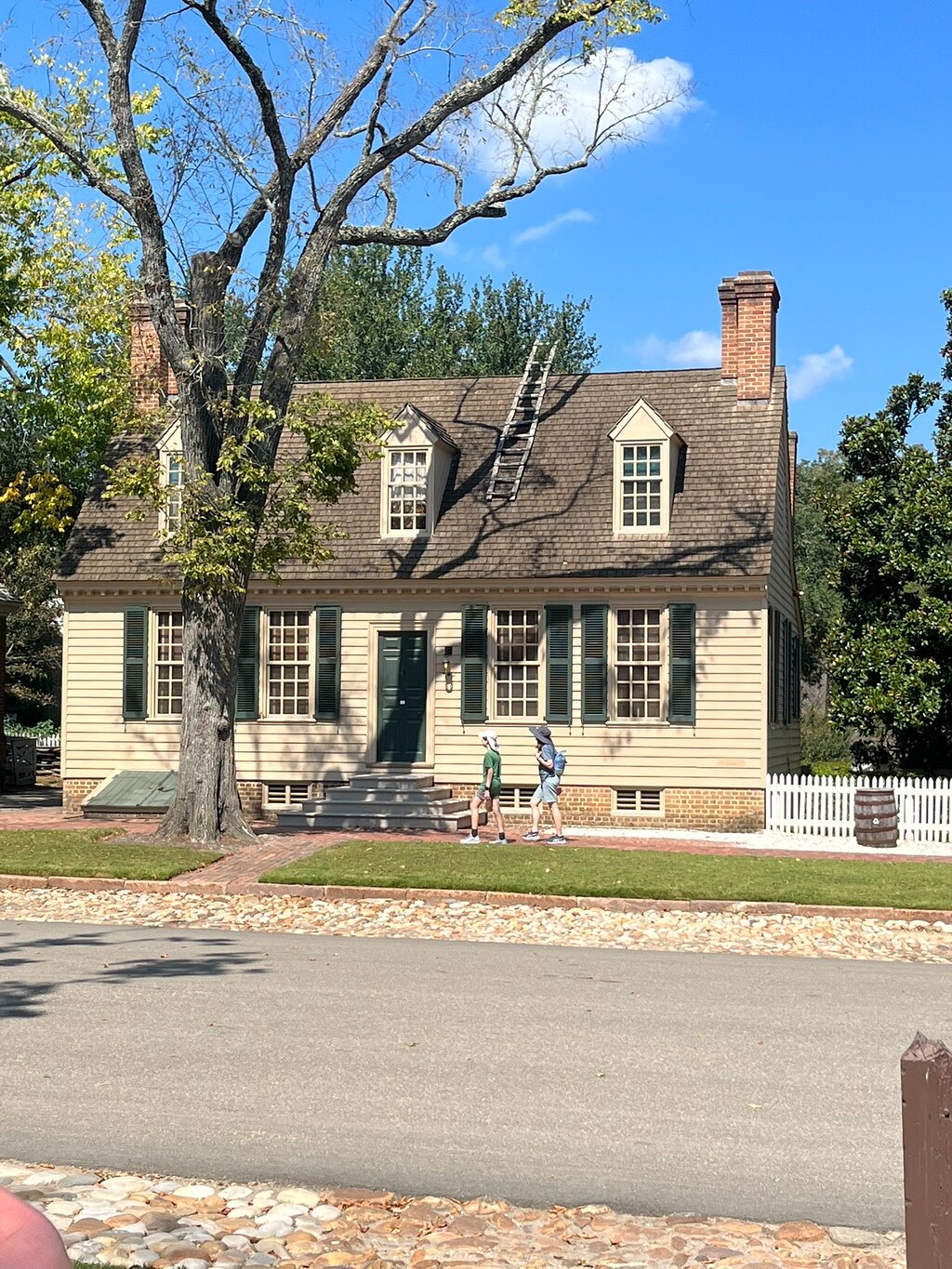
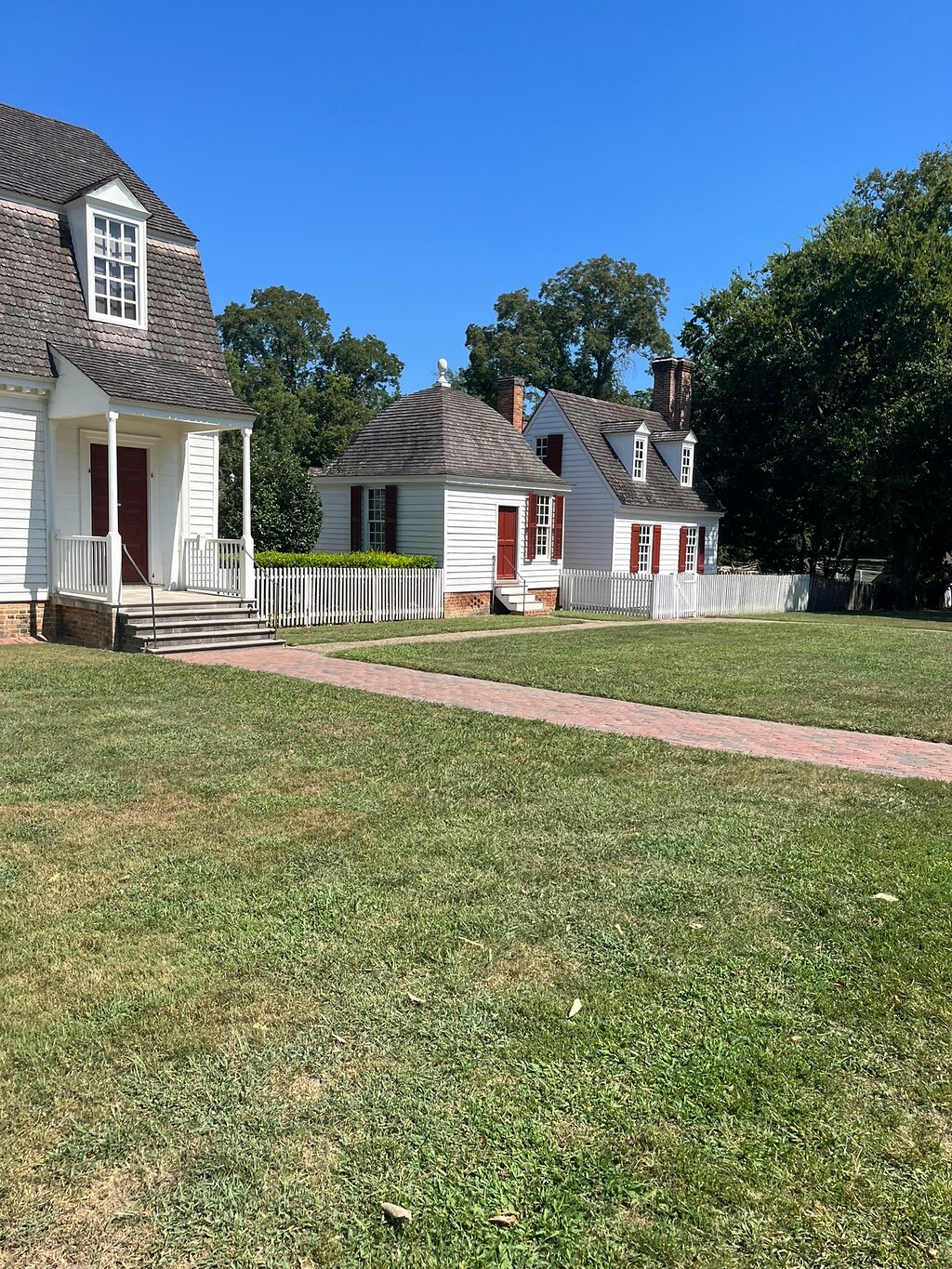
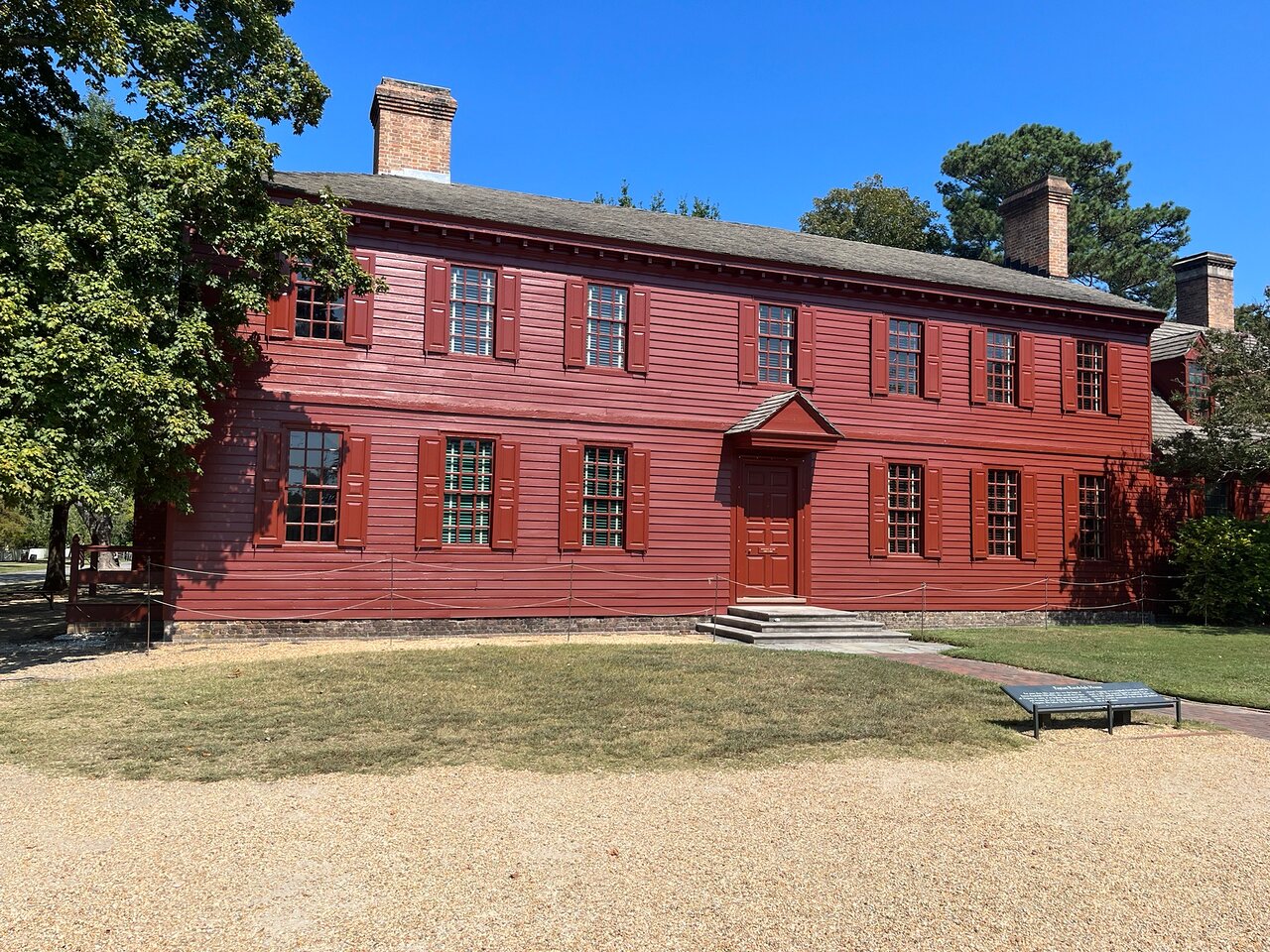
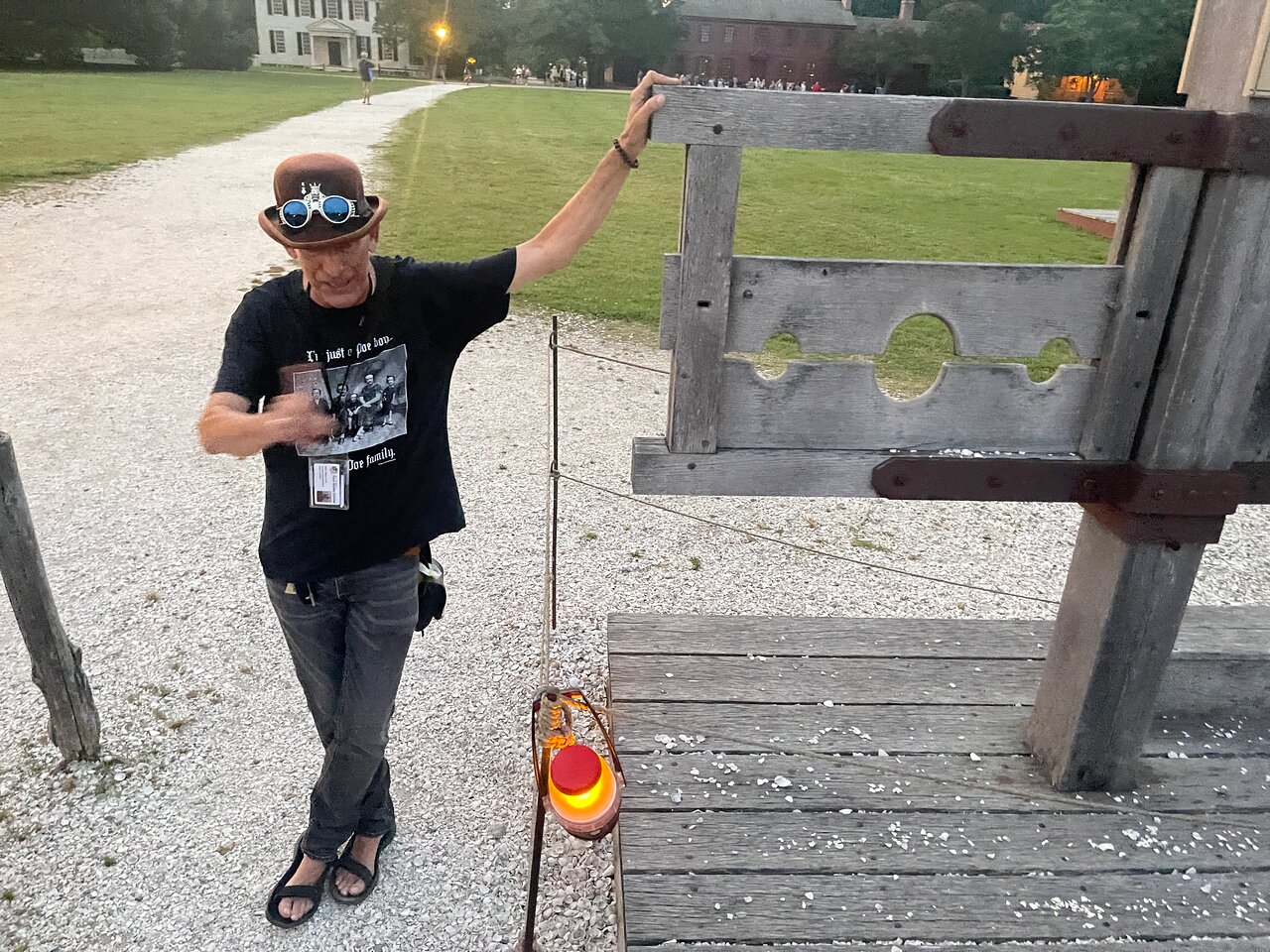
Colonial Williamsburg is a living history museum. We'll examine Williamsburg in its early colonial guise. You'll experience what it was like to reside in the colonial capital during a time when ruthless businesspeople, ruthless politicians, enslaved Africans, and possibly a few pirates walked these streets. Investigate the homes, business, places of government, and houses of worship that were integral to society in Colonial Williamsburg. Rewind to a period when the cries of emancipation reverberated through the halls of power and the murmurs of American independence hung thick in the air.

Город: Вильямсбург
Wed 25 Feb
i
Выбрать дату можно уже на сайте бронирования
Начинается с $31.00
Wed 25 Feb
Начинается с $31.00
Зарезервировать
Что включено
Thoroughly researched and accurate history
Professional and courteous guide
Thoroughly researched and accurate history
Professional and courteous guide
Закуски
Professional and courteous guide
Thoroughly researched and accurate history
Дополнительная информация
  • Wheelchair accessible
  • Infants and small children can ride in a pram or stroller
  • Service animals allowed
  • Public transportation options are available nearby
  • Transportation options are wheelchair accessible
  • All areas and surfaces are wheelchair accessible
  • Not recommended for travelers with poor cardiovascular health
  • Travelers should have at least a moderate level of physical fitness
Что ожидать
1
Public Hospital Museum
"Idiots, lunatics, and those of insane mind" were to be housed in this institution, according to its founding documents. Although conditions were frequently not much better than those in jails, several doctors tried to make things better for their patients. After the Civil War, the situation worsened once again, and in the 1890s, the original structure burned down.
2
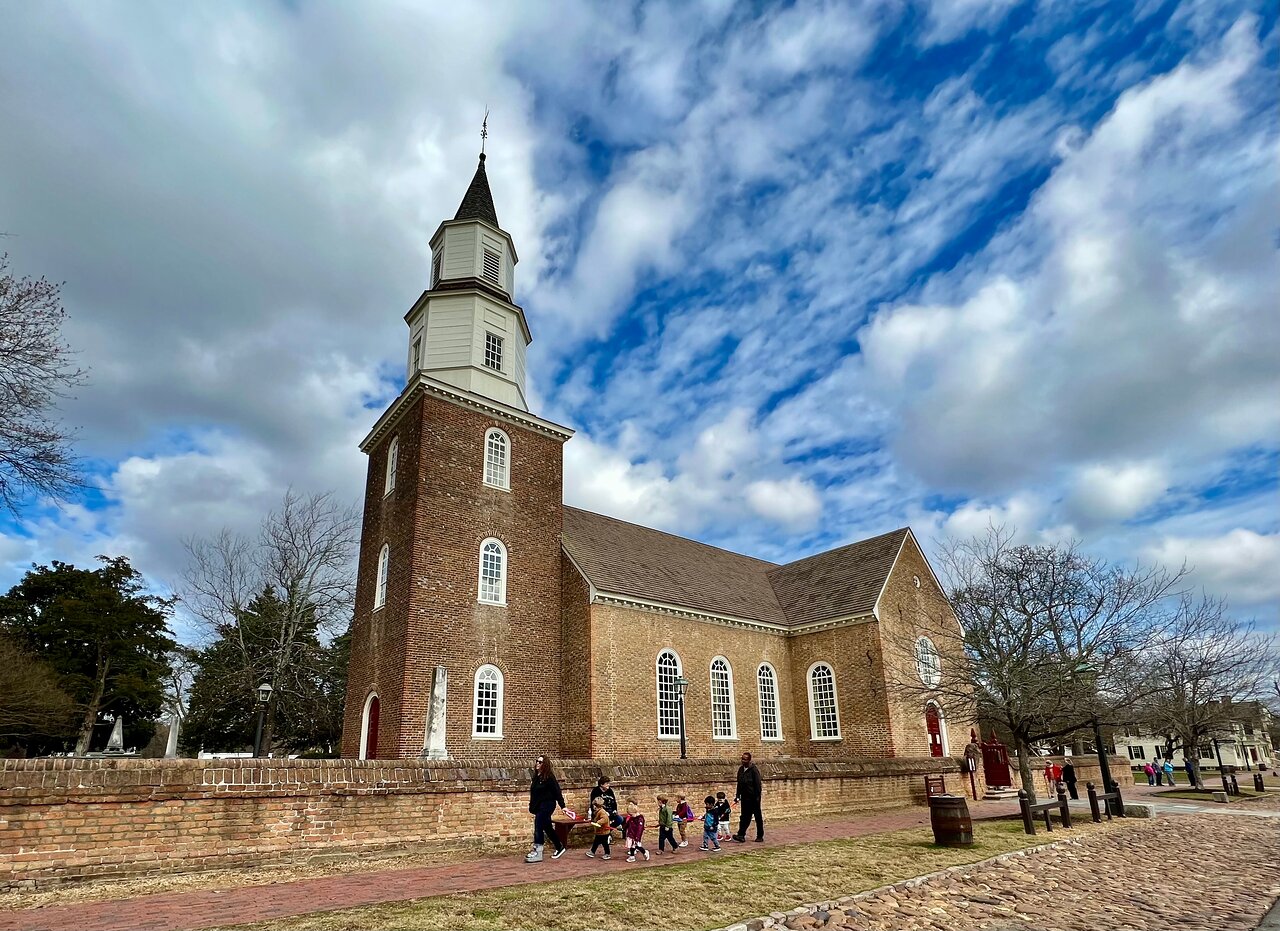
Bruton Parish Episcopal Church
The church was established in 1682, and the current structure was built in 1715. At various times during their lifetimes, five presidents frequented this church. Martha Washington's first husband and two of their children are interred in the church's cemetery.
3
George Wythe House
Professor of law, politician, judge, and signer of the Declaration of Independence: George Wythe was an accomplished man. John Marshall (Supreme Court Justice) and Thomas Jefferson were among his pupils. Examine the controversy surrounding his passing.
4
Governor's Palace
The structure you'll see was a replica completed in 1934, but Thomas Jefferson, who previously lived there while serving as governor of Virginia after the Revolutionary War, had the original ideas for its construction.
5
Public Hospital Museum
"Idiots, lunatics, and those of insane mind" were to be housed in this institution, according to its founding documents. Although conditions were frequently not much better than those in jails, several doctors tried to make things better for their patients. After the Civil War, the situation worsened once again, and in the 1890s, the original structure burned down.
6
Bruton Parish Episcopal Church
The church was established in 1682, and the current structure was built in 1715. At various times during their lifetimes, five presidents frequented this church. Martha Washington's first husband and two of their children are interred in the church's cemetery.
7
George Wythe House
Professor of law, politician, judge, and signer of the Declaration of Independence: George Wythe was an accomplished man. John Marshall (Supreme Court Justice) and Thomas Jefferson were among his pupils. Examine the controversy surrounding his passing.
8
Governor's Palace
The structure you'll see was a replica completed in 1934, but Thomas Jefferson, who previously lived there while serving as governor of Virginia after the Revolutionary War, had the original ideas for its construction.
9
Государственный больничный музей
Согласно учредительным документам, в этом учреждении должны были содержаться «идиоты, лунатики и душевнобольные». Хотя условия часто были ненамного лучше, чем в тюрьмах, некоторые врачи пытались облегчить жизнь своим пациентам. После Гражданской войны ситуация снова ухудшилась, и в 1890-х годах первоначальная постройка сгорела.
10
Приходская епископальная церковь Брутона
Церковь была основана в 1682 году, а нынешнее строение было построено в 1715 году. В разное время своей жизни эту церковь посещали пять президентов. Первый муж Марты Вашингтон и двое их детей похоронены на церковном кладбище.
11
Дом Джорджа Уайта
Профессор права, политик, судья и подписавший Декларацию независимости: Джордж Уайт был состоявшимся человеком. Среди его учеников были Джон Маршалл (судья Верховного суда) и Томас Джефферсон. Изучите полемику вокруг его кончины.
12
Губернаторский дворец
Структура, которую вы увидите, была точной копией, завершенной в 1934 году, но у Томаса Джефферсона, который ранее жил там, когда он был губернатором Вирджинии после Войны за независимость, были оригинальные идеи для ее строительства.
13
Public Hospital Museum
"Idiots, lunatics, and those of insane mind" were to be housed in this institution, according to its founding documents. Although conditions were frequently not much better than those in jails, several doctors tried to make things better for their patients. After the Civil War, the situation worsened once again, and in the 1890s, the original structure burned down.
14
Bruton Parish Episcopal Church
The church was established in 1682, and the current structure was built in 1715. At various times during their lifetimes, five presidents frequented this church. Martha Washington's first husband and two of their children are interred in the church's cemetery.
15
George Wythe House
Professor of law, politician, judge, and signer of the Declaration of Independence: George Wythe was an accomplished man. John Marshall (Supreme Court Justice) and Thomas Jefferson were among his pupils. Examine the controversy surrounding his passing.
16
Governor's Palace
The structure you'll see was a replica completed in 1934, but Thomas Jefferson, who previously lived there while serving as governor of Virginia after the Revolutionary War, had the original ideas for its construction.
17
Public Hospital Museum
"Idiots, lunatics, and those of insane mind" were to be housed in this institution, according to its founding documents. Although conditions were frequently not much better than those in jails, several doctors tried to make things better for their patients. After the Civil War, the situation worsened once again, and in the 1890s, the original structure burned down.
18
Bruton Parish Episcopal Church
The church was established in 1682, and the current structure was built in 1715. At various times during their lifetimes, five presidents frequented this church. Martha Washington's first husband and two of their children are interred in the church's cemetery.
19
George Wythe House
Professor of law, politician, judge, and signer of the Declaration of Independence: George Wythe was an accomplished man. John Marshall (Supreme Court Justice) and Thomas Jefferson were among his pupils. Examine the controversy surrounding his passing.
20
Governor's Palace
The structure you'll see was a replica completed in 1934, but Thomas Jefferson, who previously lived there while serving as governor of Virginia after the Revolutionary War, had the original ideas for its construction.
21
Public Hospital Museum
"Idiots, lunatics, and those of insane mind" were to be housed in this institution, according to its founding documents. Although conditions were frequently not much better than those in jails, several doctors tried to make things better for their patients. After the Civil War, the situation worsened once again, and in the 1890s, the original structure burned down.
22
Bruton Parish Episcopal Church
The church was established in 1682, and the current structure was built in 1715. At various times during their lifetimes, five presidents frequented this church. Martha Washington's first husband and two of their children are interred in the church's cemetery.
23
George Wythe House
Professor of law, politician, judge, and signer of the Declaration of Independence: George Wythe was an accomplished man. John Marshall (Supreme Court Justice) and Thomas Jefferson were among his pupils. Examine the controversy surrounding his passing.
24
Governor's Palace
The structure you'll see was a replica completed in 1934, but Thomas Jefferson, who previously lived there while serving as governor of Virginia after the Revolutionary War, had the original ideas for its construction.
25
Public Hospital Museum
"Idiots, lunatics, and those of insane mind" were to be housed in this institution, according to its founding documents. Although conditions were frequently not much better than those in jails, several doctors tried to make things better for their patients. After the Civil War, the situation worsened once again, and in the 1890s, the original structure burned down.
26
Bruton Parish Episcopal Church
The church was established in 1682, and the current structure was built in 1715. At various times during their lifetimes, five presidents frequented this church. Martha Washington's first husband and two of their children are interred in the church's cemetery.
27
George Wythe House
Professor of law, politician, judge, and signer of the Declaration of Independence: George Wythe was an accomplished man. John Marshall (Supreme Court Justice) and Thomas Jefferson were among his pupils. Examine the controversy surrounding his passing.
28
Governor's Palace
The structure you'll see was a replica completed in 1934, but Thomas Jefferson, who previously lived there while serving as governor of Virginia after the Revolutionary War, had the original ideas for its construction.
29
Public Hospital Museum
"Idiots, lunatics, and those of insane mind" were to be housed in this institution, according to its founding documents. Although conditions were frequently not much better than those in jails, several doctors tried to make things better for their patients. After the Civil War, the situation worsened once again, and in the 1890s, the original structure burned down.
30
Bruton Parish Episcopal Church
The church was established in 1682, and the current structure was built in 1715. At various times during their lifetimes, five presidents frequented this church. Martha Washington's first husband and two of their children are interred in the church's cemetery.
31
George Wythe House
Professor of law, politician, judge, and signer of the Declaration of Independence: George Wythe was an accomplished man. John Marshall (Supreme Court Justice) and Thomas Jefferson were among his pupils. Examine the controversy surrounding his passing.
32
Governor's Palace
The structure you'll see was a replica completed in 1934, but Thomas Jefferson, who previously lived there while serving as governor of Virginia after the Revolutionary War, had the original ideas for its construction.
33
Public Hospital Museum
"Idiots, lunatics, and those of insane mind" were to be housed in this institution, according to its founding documents. Although conditions were frequently not much better than those in jails, several doctors tried to make things better for their patients. After the Civil War, the situation worsened once again, and in the 1890s, the original structure burned down.
34
Bruton Parish Episcopal Church
The church was established in 1682, and the current structure was built in 1715. At various times during their lifetimes, five presidents frequented this church. Martha Washington's first husband and two of their children are interred in the church's cemetery.
35
George Wythe House
Professor of law, politician, judge, and signer of the Declaration of Independence: George Wythe was an accomplished man. John Marshall (Supreme Court Justice) and Thomas Jefferson were among his pupils. Examine the controversy surrounding his passing.
36
Governor's Palace
The structure you'll see was a replica completed in 1934, but Thomas Jefferson, who previously lived there while serving as governor of Virginia after the Revolutionary War, had the original ideas for its construction.
37
Public Hospital Museum
"Idiots, lunatics, and those of insane mind" were to be housed in this institution, according to its founding documents. Although conditions were frequently not much better than those in jails, several doctors tried to make things better for their patients. After the Civil War, the situation worsened once again, and in the 1890s, the original structure burned down.
38
Bruton Parish Episcopal Church
The church was established in 1682, and the current structure was built in 1715. At various times during their lifetimes, five presidents frequented this church. Martha Washington's first husband and two of their children are interred in the church's cemetery.
39
George Wythe House
Professor of law, politician, judge, and signer of the Declaration of Independence: George Wythe was an accomplished man. John Marshall (Supreme Court Justice) and Thomas Jefferson were among his pupils. Examine the controversy surrounding his passing.
40
Governor's Palace
The structure you'll see was a replica completed in 1934, but Thomas Jefferson, who previously lived there while serving as governor of Virginia after the Revolutionary War, had the original ideas for its construction.
41
Public Hospital Museum
"Idiots, lunatics, and those of insane mind" were to be housed in this institution, according to its founding documents. Although conditions were frequently not much better than those in jails, several doctors tried to make things better for their patients. After the Civil War, the situation worsened once again, and in the 1890s, the original structure burned down.
42
Bruton Parish Episcopal Church
The church was established in 1682, and the current structure was built in 1715. At various times during their lifetimes, five presidents frequented this church. Martha Washington's first husband and two of their children are interred in the church's cemetery.
43
George Wythe House
Professor of law, politician, judge, and signer of the Declaration of Independence: George Wythe was an accomplished man. John Marshall (Supreme Court Justice) and Thomas Jefferson were among his pupils. Examine the controversy surrounding his passing.
44
Governor's Palace
The structure you'll see was a replica completed in 1934, but Thomas Jefferson, who previously lived there while serving as governor of Virginia after the Revolutionary War, had the original ideas for its construction.
45
Public Hospital Museum
"Idiots, lunatics, and those of insane mind" were to be housed in this institution, according to its founding documents. Although conditions were frequently not much better than those in jails, several doctors tried to make things better for their patients. After the Civil War, the situation worsened once again, and in the 1890s, the original structure burned down.
46
Bruton Parish Episcopal Church
The church was established in 1682, and the current structure was built in 1715. At various times during their lifetimes, five presidents frequented this church. Martha Washington's first husband and two of their children are interred in the church's cemetery.
47
George Wythe House
Professor of law, politician, judge, and signer of the Declaration of Independence: George Wythe was an accomplished man. John Marshall (Supreme Court Justice) and Thomas Jefferson were among his pupils. Examine the controversy surrounding his passing.
48
Governor's Palace
The structure you'll see was a replica completed in 1934, but Thomas Jefferson, who previously lived there while serving as governor of Virginia after the Revolutionary War, had the original ideas for its construction.
49
Public Hospital Museum
"Idiots, lunatics, and those of insane mind" were to be housed in this institution, according to its founding documents. Although conditions were frequently not much better than those in jails, several doctors tried to make things better for their patients. After the Civil War, the situation worsened once again, and in the 1890s, the original structure burned down.
50
Bruton Parish Episcopal Church
The church was established in 1682, and the current structure was built in 1715. At various times during their lifetimes, five presidents frequented this church. Martha Washington's first husband and two of their children are interred in the church's cemetery.
51
George Wythe House
Professor of law, politician, judge, and signer of the Declaration of Independence: George Wythe was an accomplished man. John Marshall (Supreme Court Justice) and Thomas Jefferson were among his pupils. Examine the controversy surrounding his passing.
52
Governor's Palace
The structure you'll see was a replica completed in 1934, but Thomas Jefferson, who previously lived there while serving as governor of Virginia after the Revolutionary War, had the original ideas for its construction.
53
Public Hospital Museum
"Idiots, lunatics, and those of insane mind" were to be housed in this institution, according to its founding documents. Although conditions were frequently not much better than those in jails, several doctors tried to make things better for their patients. After the Civil War, the situation worsened once again, and in the 1890s, the original structure burned down.
54
Bruton Parish Episcopal Church
The church was established in 1682, and the current structure was built in 1715. At various times during their lifetimes, five presidents frequented this church. Martha Washington's first husband and two of their children are interred in the church's cemetery.
55
George Wythe House
Professor of law, politician, judge, and signer of the Declaration of Independence: George Wythe was an accomplished man. John Marshall (Supreme Court Justice) and Thomas Jefferson were among his pupils. Examine the controversy surrounding his passing.
56
Governor's Palace
The structure you'll see was a replica completed in 1934, but Thomas Jefferson, who previously lived there while serving as governor of Virginia after the Revolutionary War, had the original ideas for its construction.
Показать 53 больше остановок
Политика отмены
For a full refund, cancel at least 24 hours before the scheduled departure time.
Фотографии путешественников
Отзывы (24)
Dana_C
Dec 2022
This tour gives you a great introduction to Williamsburg and it’s history. Our guide Patrick shared many stories about the people that started Williamsburg and welcomed our questions. We enjoyed this tour and would recommend it.
Ответ от хоста
Apr 2023
Hello Dana! Thank you for your 5 star review! Patrick is an amazing guide in this area! So much history and spooky stories-- We are happy to see that Patrick was able to answer live questions, etc. We hope to see you again and we will definitely let Patrick know about this review!
emilyhM6371HY
Nov 2022
The encounter was wonderful and really personable. The tour was excellent, and it was fascinating to learn about Williamsburg's rich past. We had a fantastic local tour guide who was very knowledgeable!
Ответ от хоста
Apr 2023
Hello Emily! We love that you had a fantastic time with US Ghost Adventures in Williamsburg! We also LOVE the history along with some spooky ghost stories! Please book with us again! You never know what you will find out on a tour! Our guides are the best!
Francine_L
Oct 2022
This is a fascinating tour! William was our guide and he shared memorable stories about the buildings, surroundings and the people who lived in Williamsburg in colonial times. He brought the history to life. My husband and I highly recommend this tour!
Ответ от хоста
Apr 2023
We are so excited to learn that you and your husband had an amazing time on our tour! You can't get much better than having a tour guide named William in Williamsburg! This location is so full of history and an absolutely beautiful place! We thank you for the recommendation and we hope to see you again soon!

Связанные события

События в том же районе

Мы думаем, что ваш язык English
На каком языке вы хотели бы видеть эту страницу?
English English
Мы думаем, что ваш город Нью-Йорк
В каком городе вы бы хотели исследовать?
Нью-Йорк
New York City