Нічого не знайдено
Досліджуйте
Log in

Best Of Yellowstone Full Day Nat'l Park Tour From Gardiner

Огляд
Yellowstone National Park is one of America’s great treasures. This full day safari will show off the highlights of this incredible place; volcanic thermal features, giant waterfalls, diverse wildlife, the Grand Canyon of the Yellowstone, and Yellowstone Lake.

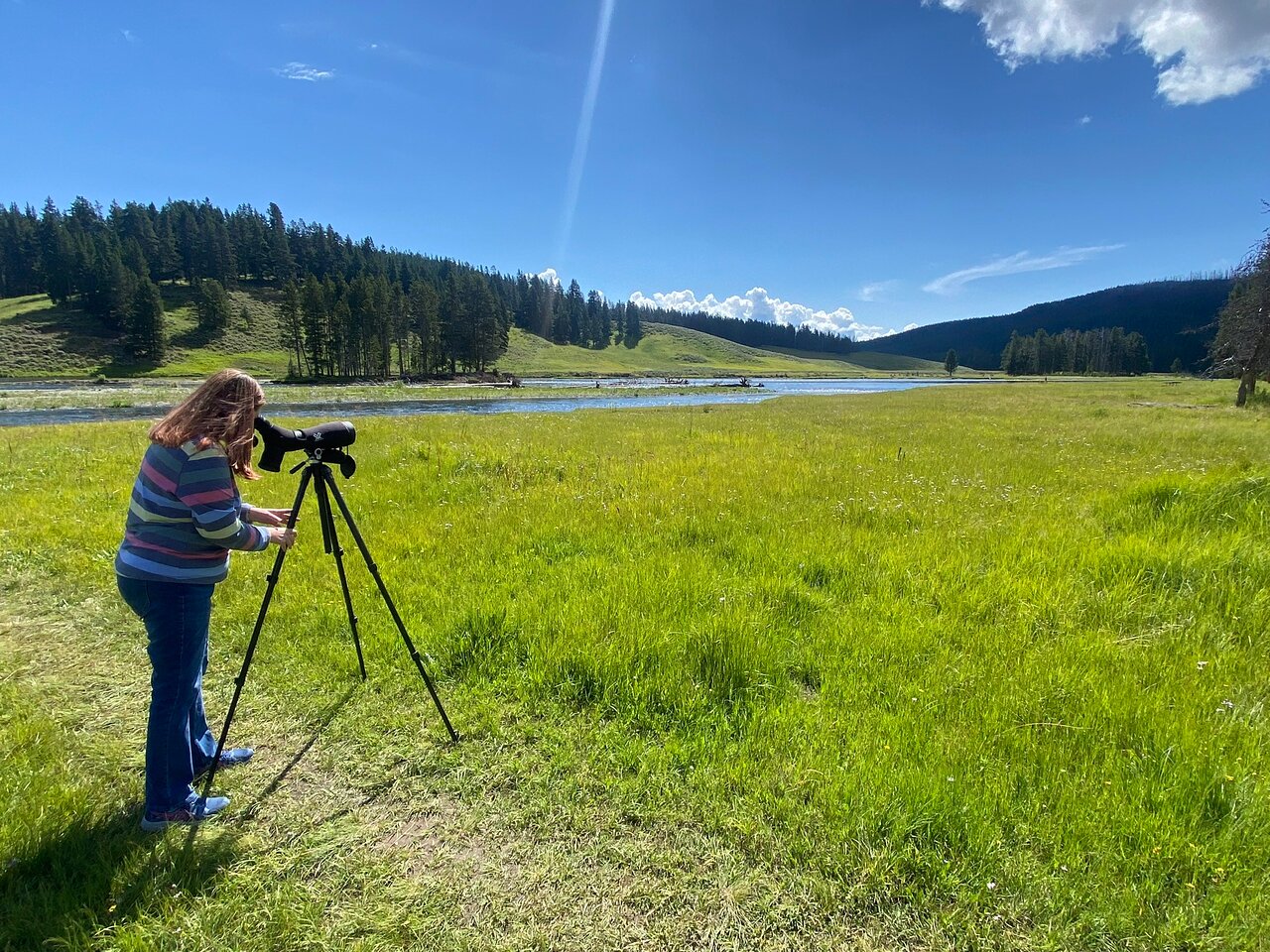
Throughout the day we will drive scenic roads, walk historic boardwalks, enjoy the peace of natural landscapes and use our optics to view wildlife. Your guide is your driver, and their goal is to cover as many of Yellowstone’s famous features as they can in a day.

The guides at Yellowstone Safari Co. will make every effort to showcase as many highlights as possible, and will structure the day around making your experience a memorable one. They will take current road conditions, weather, seasonality, and your personal interests into consideration as they move through the park.

Highlights
Old Faithful & Grand Prismatic Spring
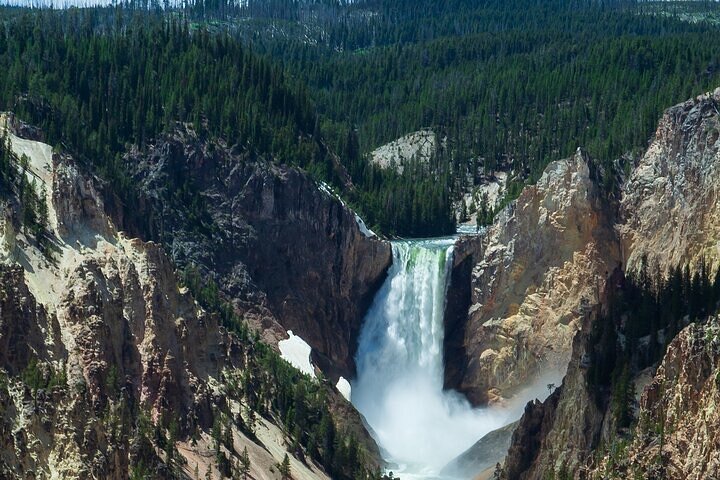
Lower and Upper Falls, Grand Canyon of the Yellowstone
Geysers, Hot Springs, Mudpots & Fumaroles

Місто: Гардінер
Sun 21 Dec
i
Обрати дату можна вже на сайті бронювання
Починаючи з $364.00
Sun 21 Dec
Починаючи з $364.00
Забронювати
Що включено
Resort fees
Non-alcoholic beverages
Use of UHD binoculars and spotting scopes
A variety of snacks, sourced locally and organic when possible.
A picnic lunch, sourced locally with seasonal ingredients and packaged with recyclable and compostable materials.
Professional naturalist guide
Resort fees
Додаткова інформація
  • Suitable for all physical fitness levels
  • If your child requires a car seat, please be sure to bring it with you.
  • Children 8 and older may participate.
Чого очікувати
1
Yellowstone National Park
Your exact route and itinerary will be determined by your interests, current wildlife sightings, and current weather and road conditions. Our guides are all highly experienced, with thousands of hours in the field, and will expertly tailor your safari to you and your group. Summer is construction season in Yellowstone National Park and sometimes this can impact our tours. Please communicate to your guide what you most wish to see in the park and your guide will do their best to navigate road closures, traffic slowdowns, and construction wait times.
2
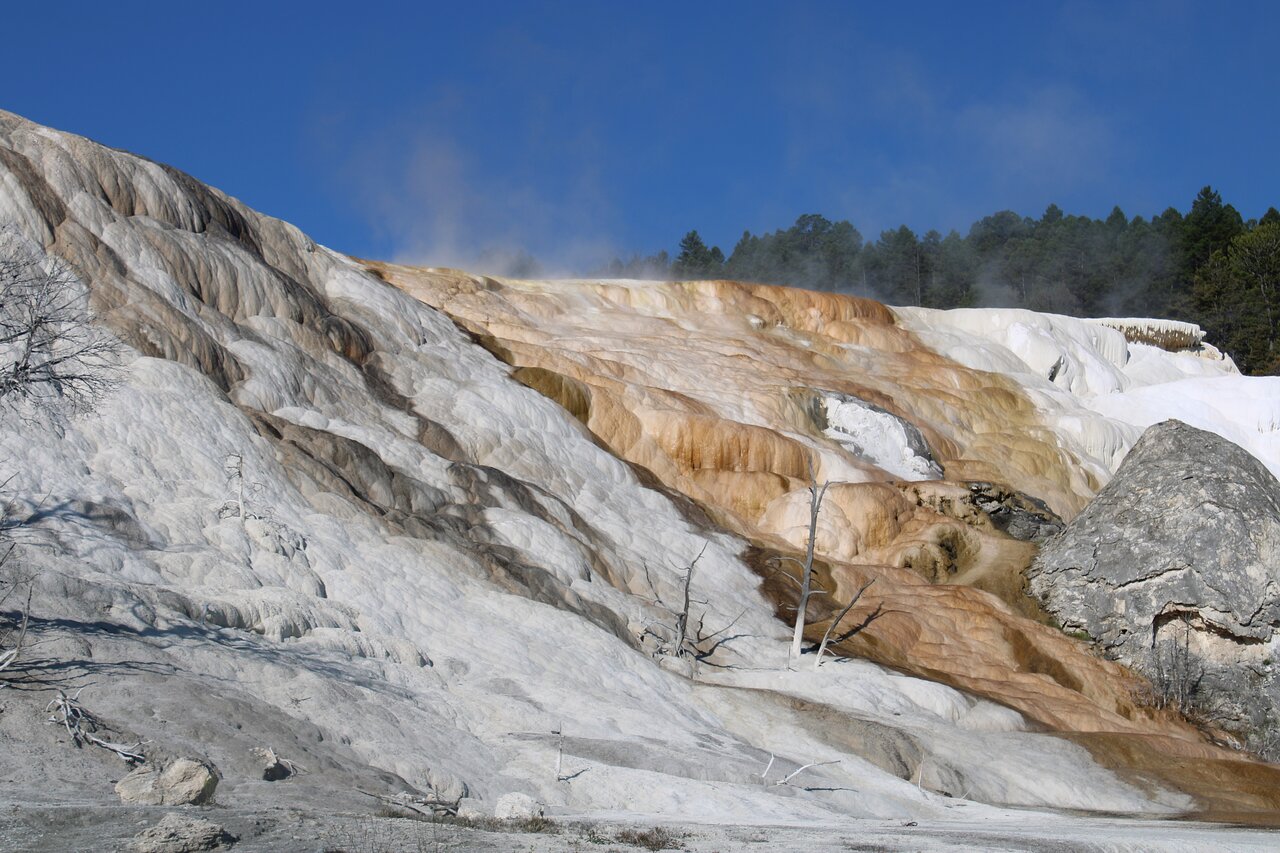
Mammoth Hot Springs
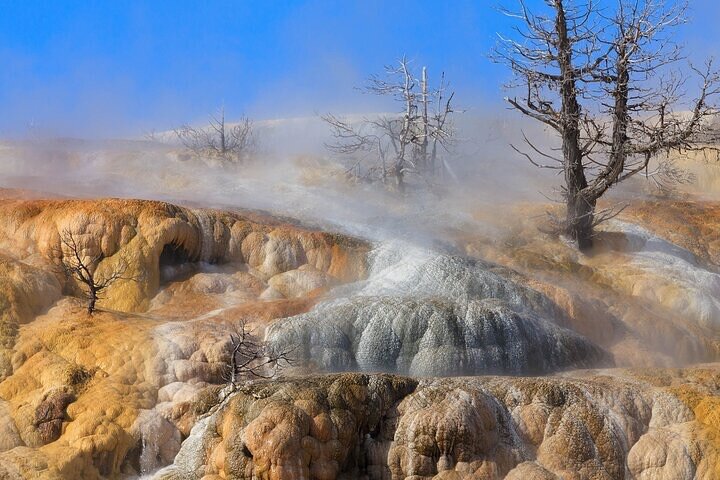
Mammoth Hot Springs is a collection of thermal features at the north entrance of Yellowstone National Park. It is best known for the travertine terraces that form from mineral deposits, but there are many other observable geothermal features in this area. The algae living in the pools creates the distinct brownish, reddish colors. Our safari makes a stop here. Your guide will educate you on the historical or geological significance of your stop.
3
Hayden Valley
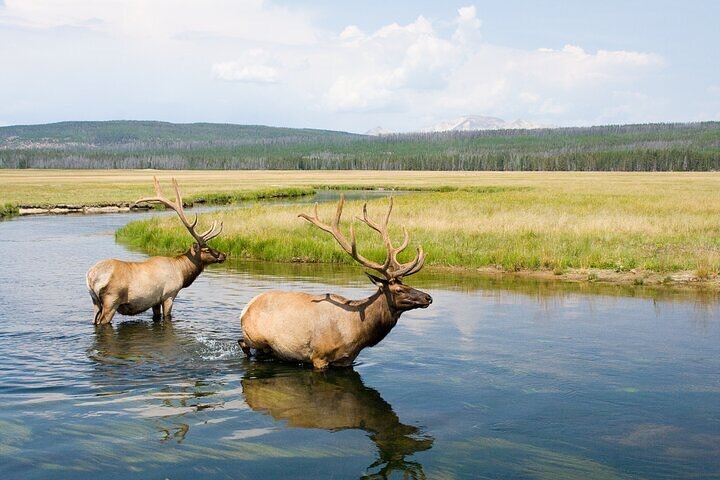
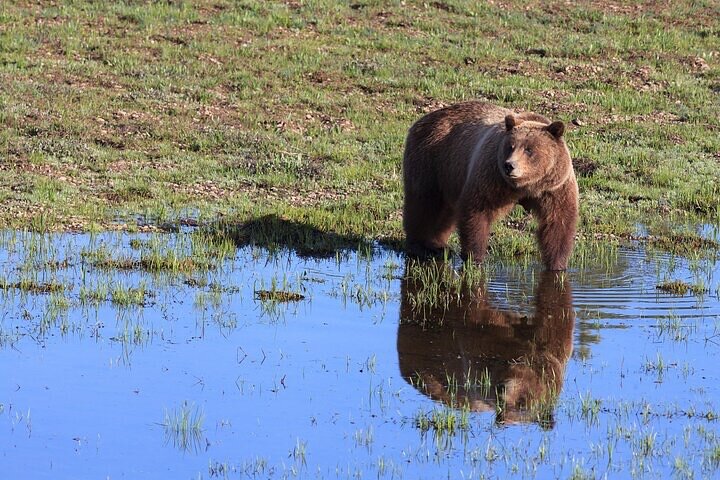
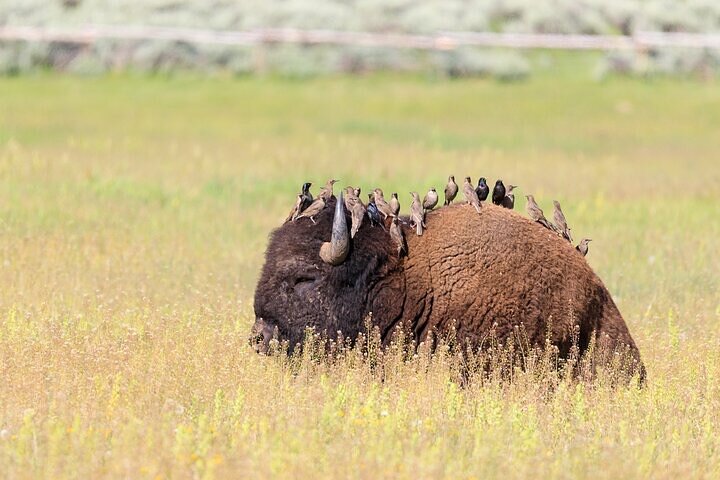
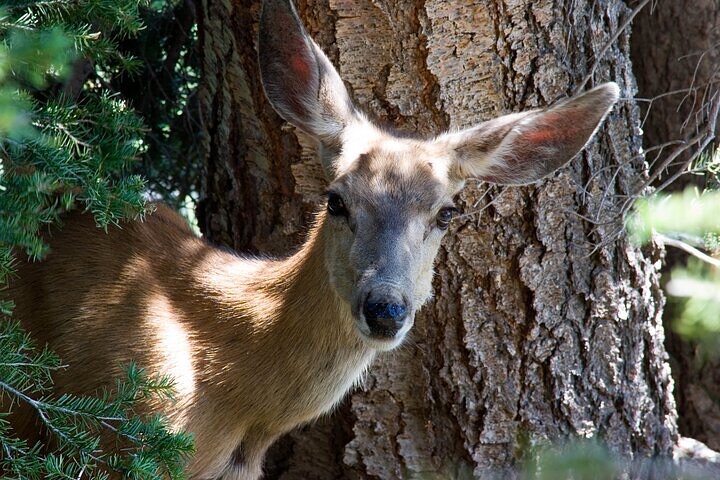
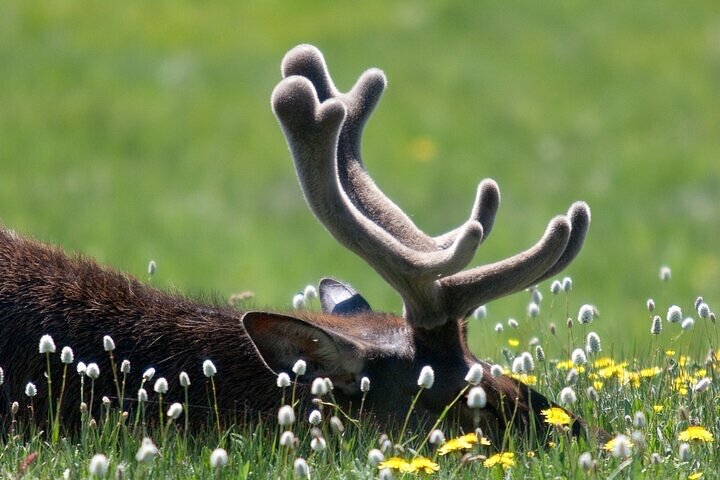
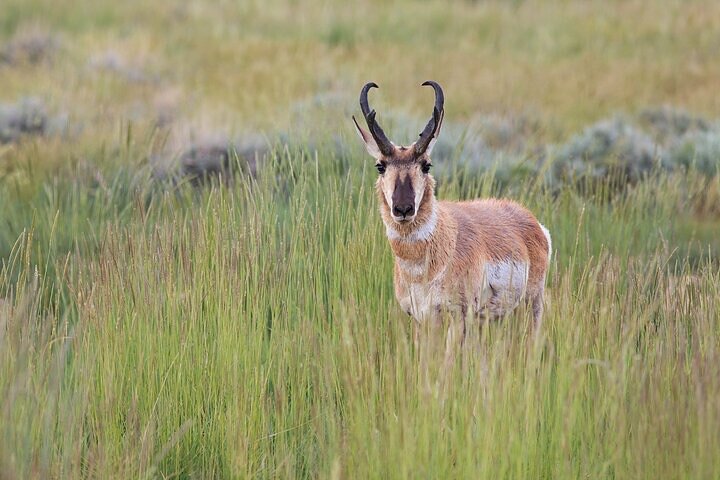
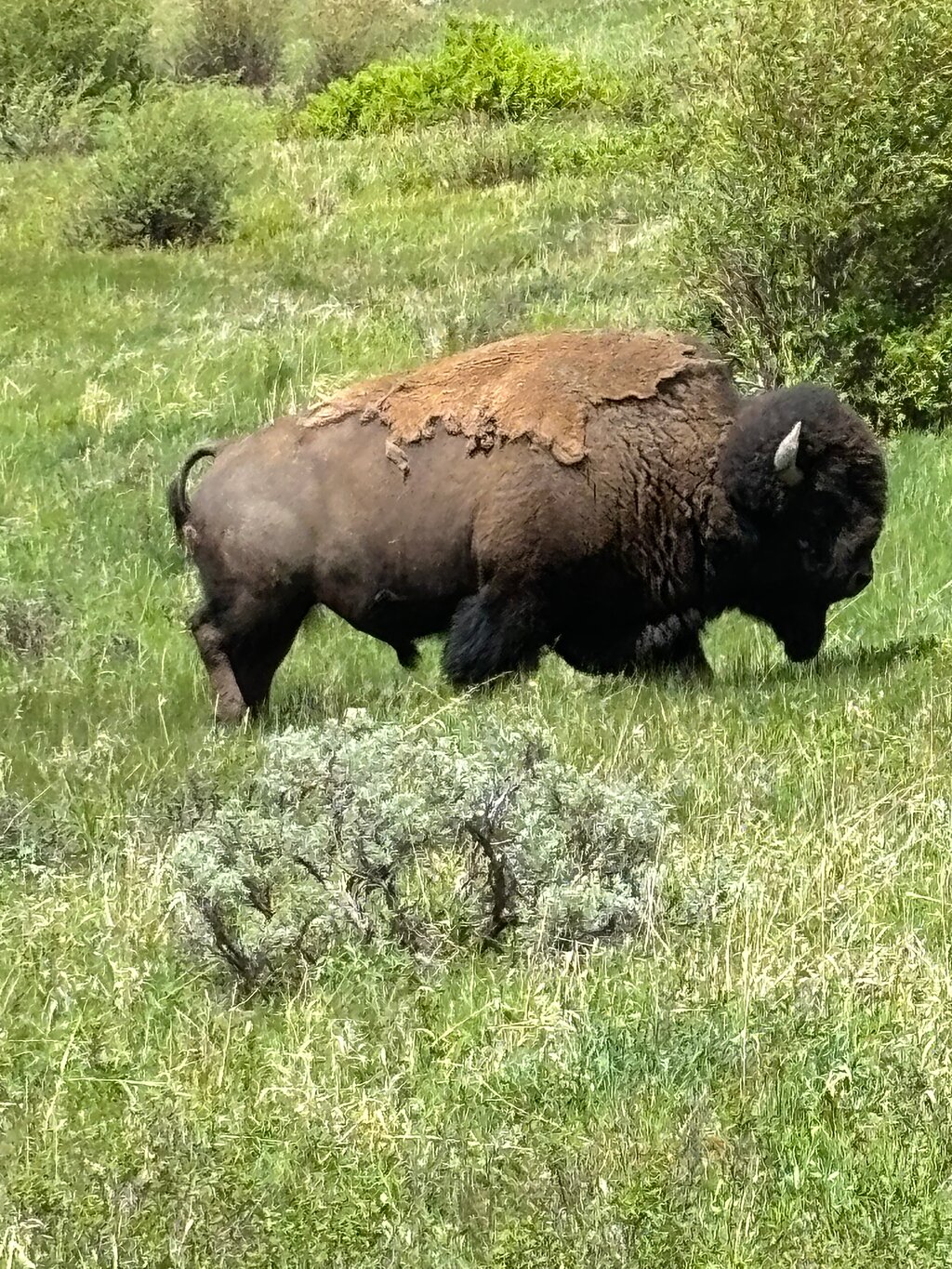
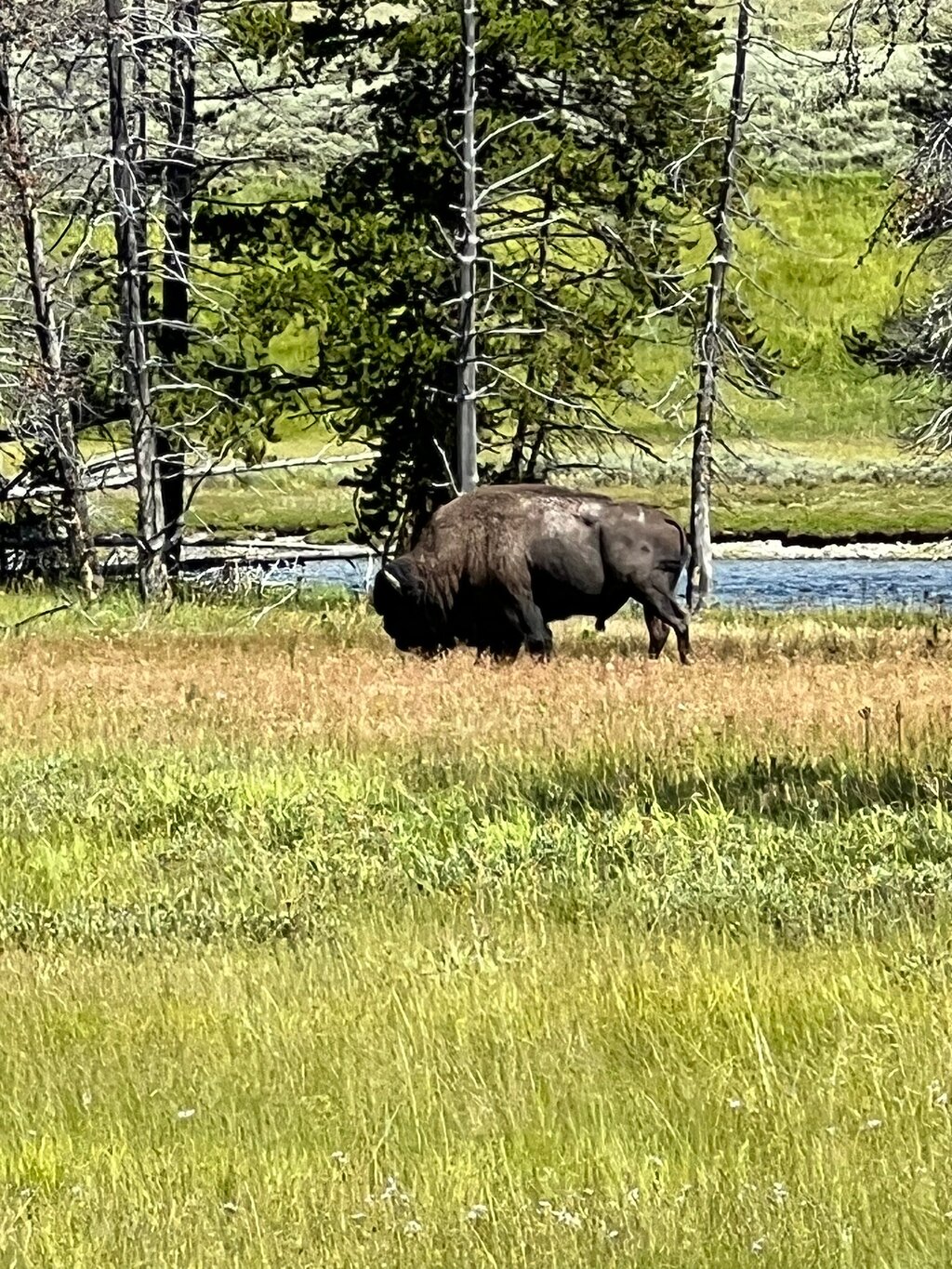
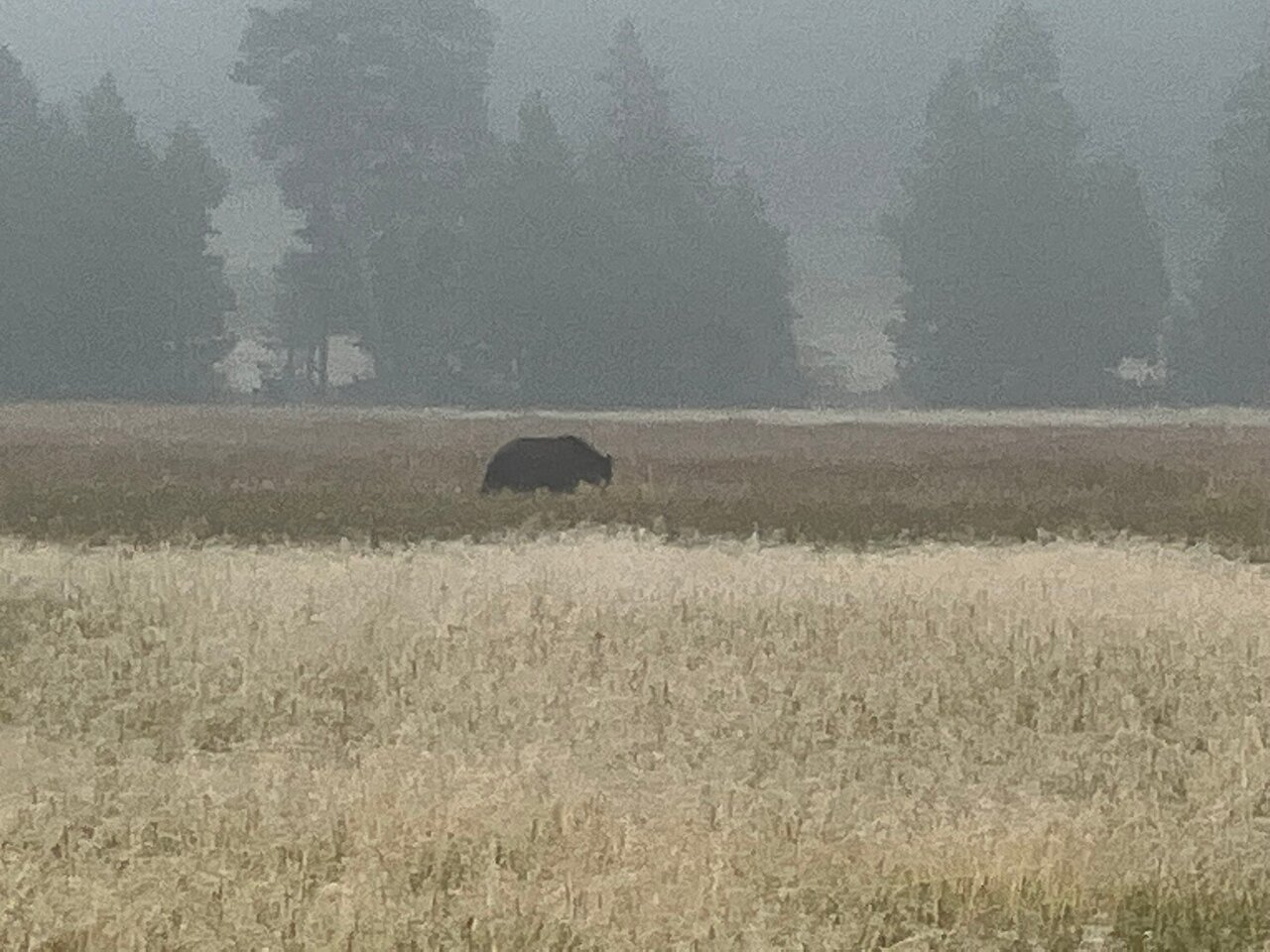
The Hayden Valley is located in central Yellowstone National Park and is home to an abundance of wildlife. The valley floor was once the lakebed of Yellowstone Lake, but is now home to streams, grassy plains and geothermal features. Our safari makes several stops here in search of wildlife. Your guide will educate you on the historical or geological significance of your stop.
4
Grand Canyon of the Yellowstone
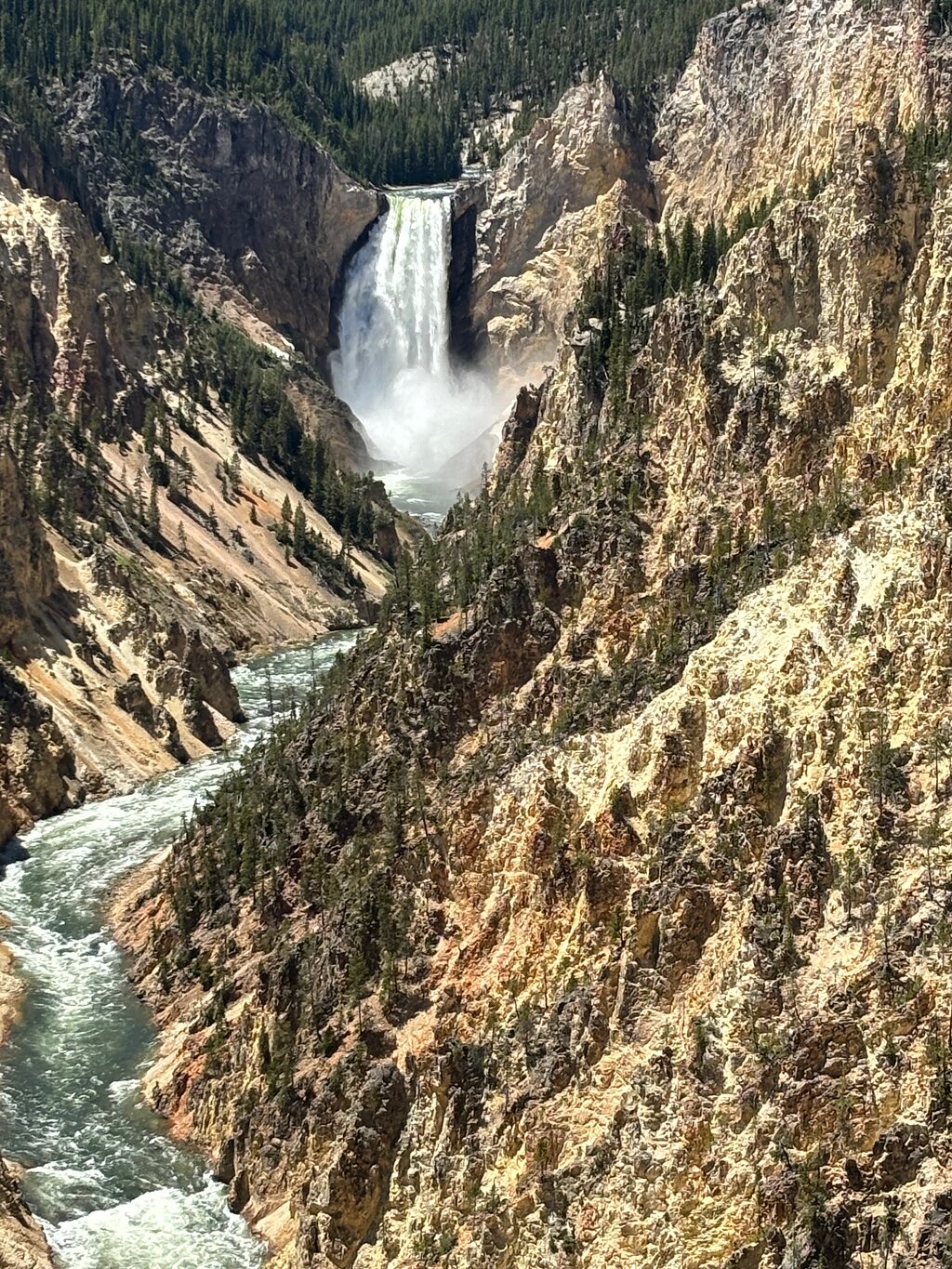
At a depth of more than 1000ft (305m), the Grand Canyon of the Yellowstone River is an impressive sight. Water, wind, earthquakes and hydrothermal features have all worked together to form this area. Two waterfalls are visible from multiple vantage points, Upper Falls and Lower Falls. Our safari makes a stop here. Your guide will educate you on the historical or geological significance of your stop.
5
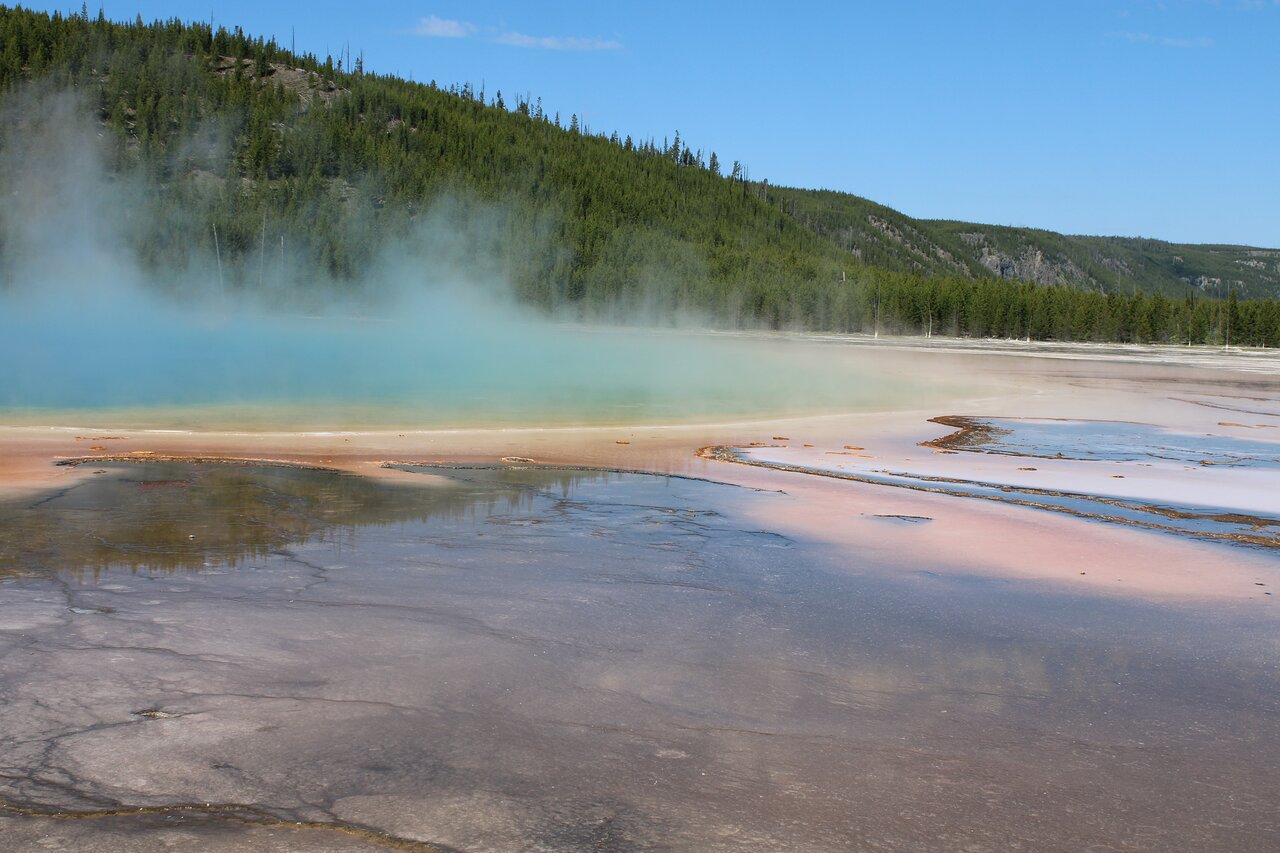
Grand Prismatic Spring
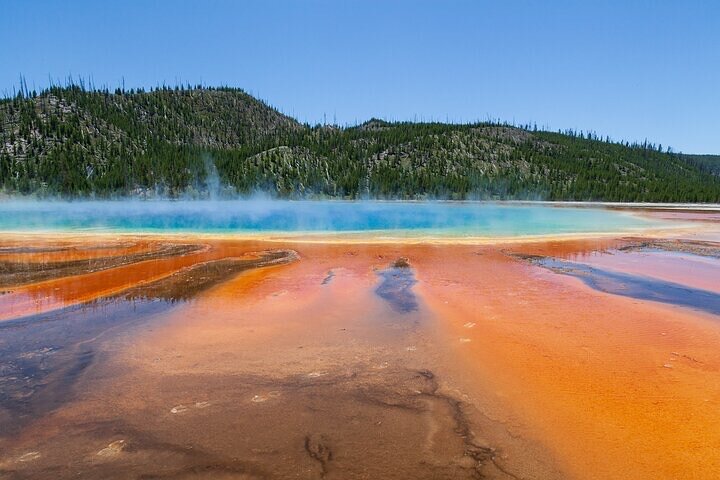
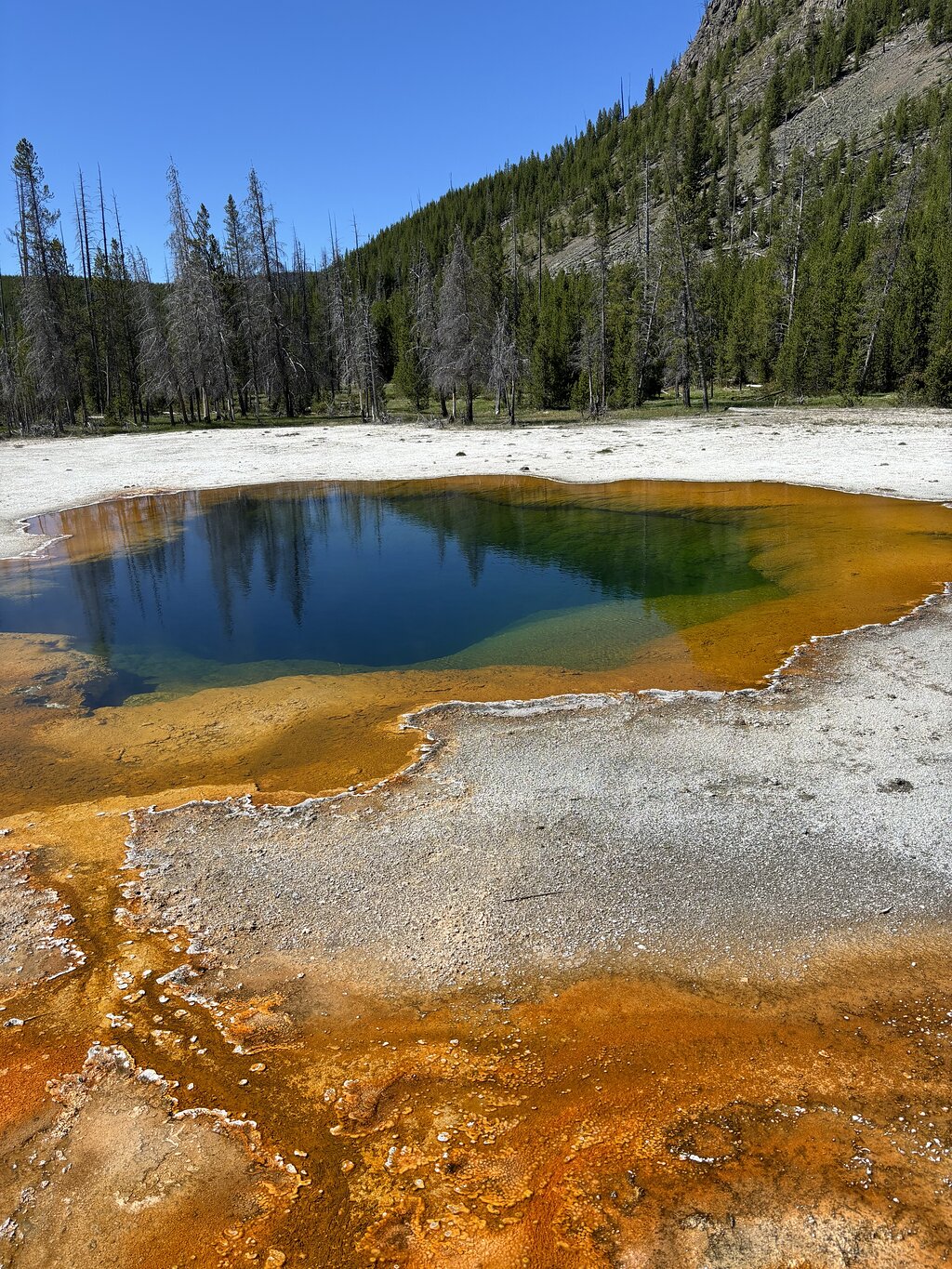
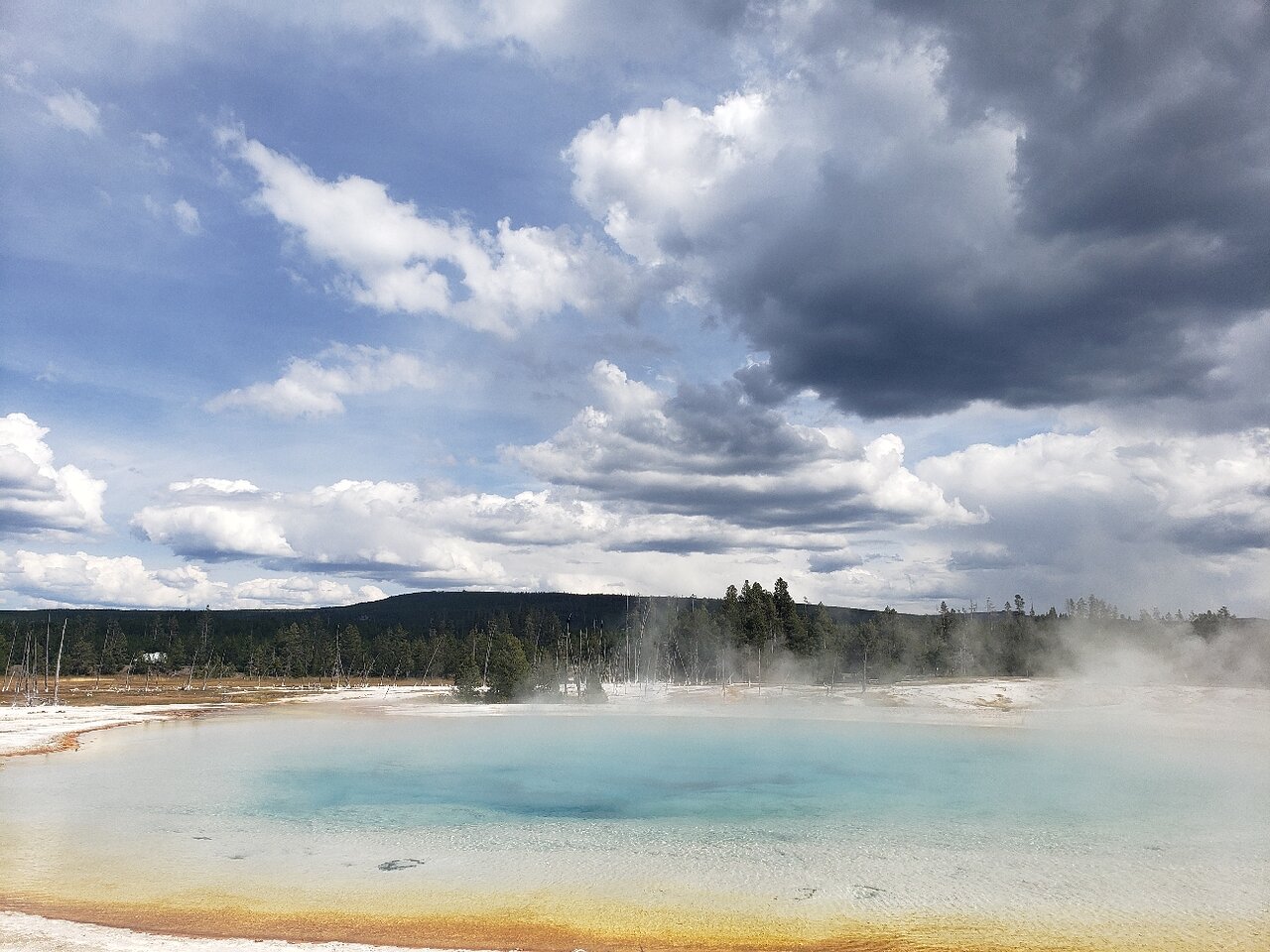
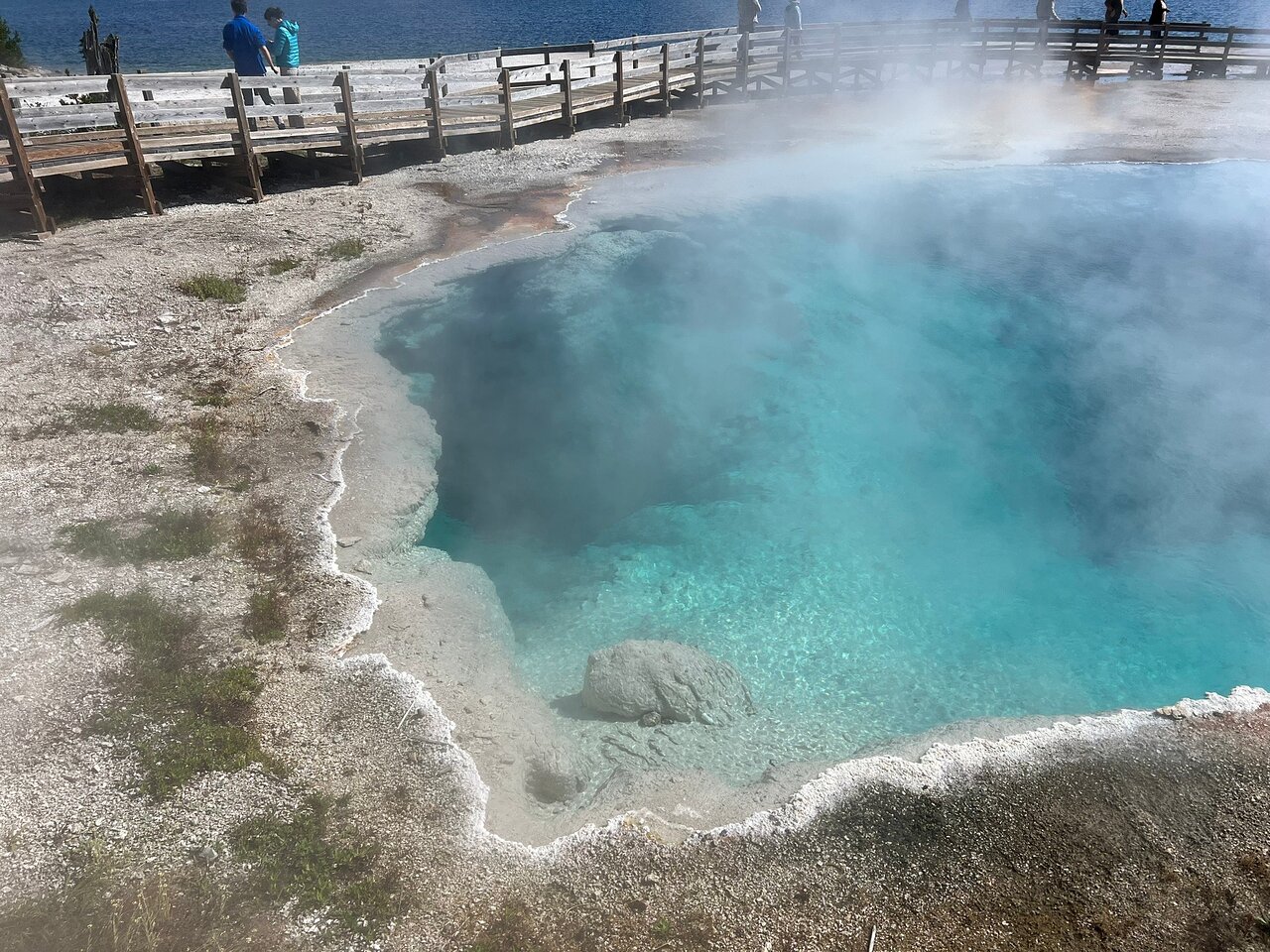
Grand Prismatic Spring is located in the Midway Geyser Basin in Yellowstone National Park. The third largest hot spring in the world is most well known for the rainbow effect that the microbial mats create, producing reds, oranges, yellows and greens around the edges of the spring. The blue center is the result of sterile water at great depth appearing blue to the eye. Our safari makes a stop here. Your guide will educate you on the historical or geological significance of your stop.
6
Artist Point
Incorrectly named as the vantage point for Thomas Moran's famous waterfall sketches, the name Artist Point remains to this day. Located on the south rim of the Grand Canyon of the Yellowstone, this point provides classic views of Lower Falls on the Yellowstone River. Our safari makes a stop here. Your guide will educate you on the historical or geological significance of your stop.
7
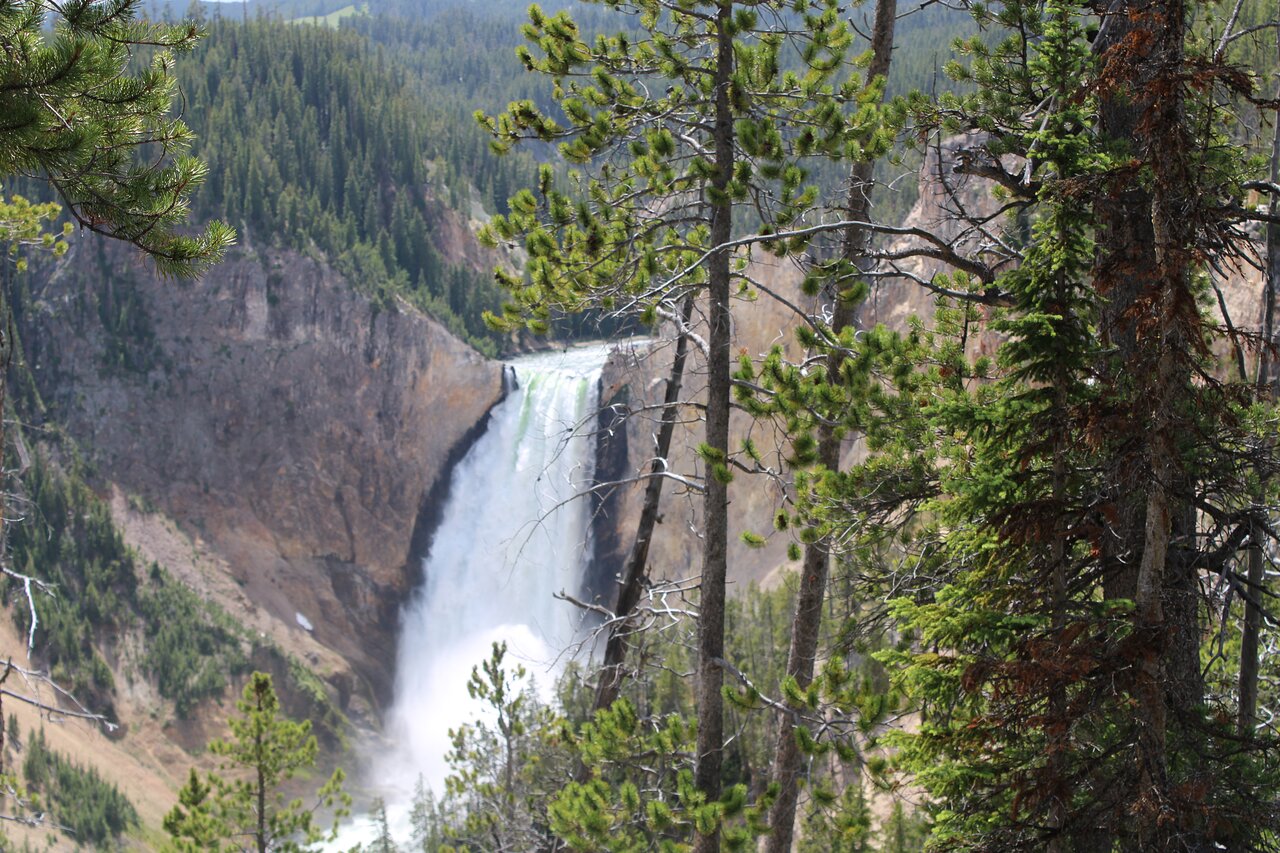
Lower Yellowstone River Falls
The first photographic depictions of the Lower Falls were made in 1871 during the Hayden Expedition, although Native American tribes have known about the falls for centuries. Cascading roughly 308ft (94m) over volcanic rock, the falls are an impressive sight from several vantage points. Our safari makes a stop here. Your guide will educate you on the historical or geological significance of your stop.
8
Fountain Paint Pot
Fountain Paint Pot, located in the Lower Geyser Basin, is a mud pot most recognized for the reds, yellows and browns that can be seen in the soil. The colors represent varying levels of iron oxidation in the mud. Our safari makes a stop here. Your guide will educate you on the historical or geological significance of your stop.
9
Grand Loop Road
The Grand Loop Road provides access to most major highlights in Yellowstone National Park. Our safari makes several stops along this route to search for wildlife and visit notable historical or geological sites. Your guide will educate you on the historical or geological significance of your stop.
10
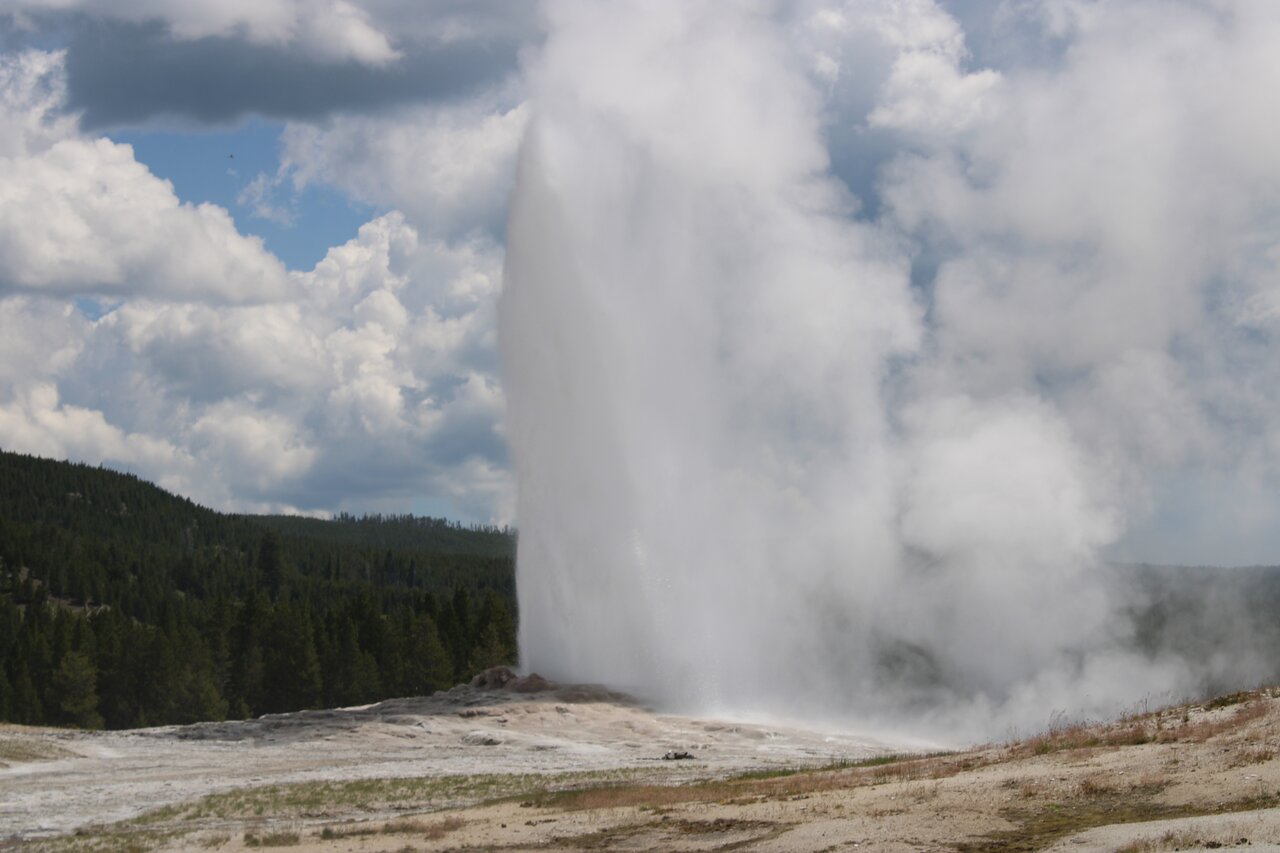
Old Faithful
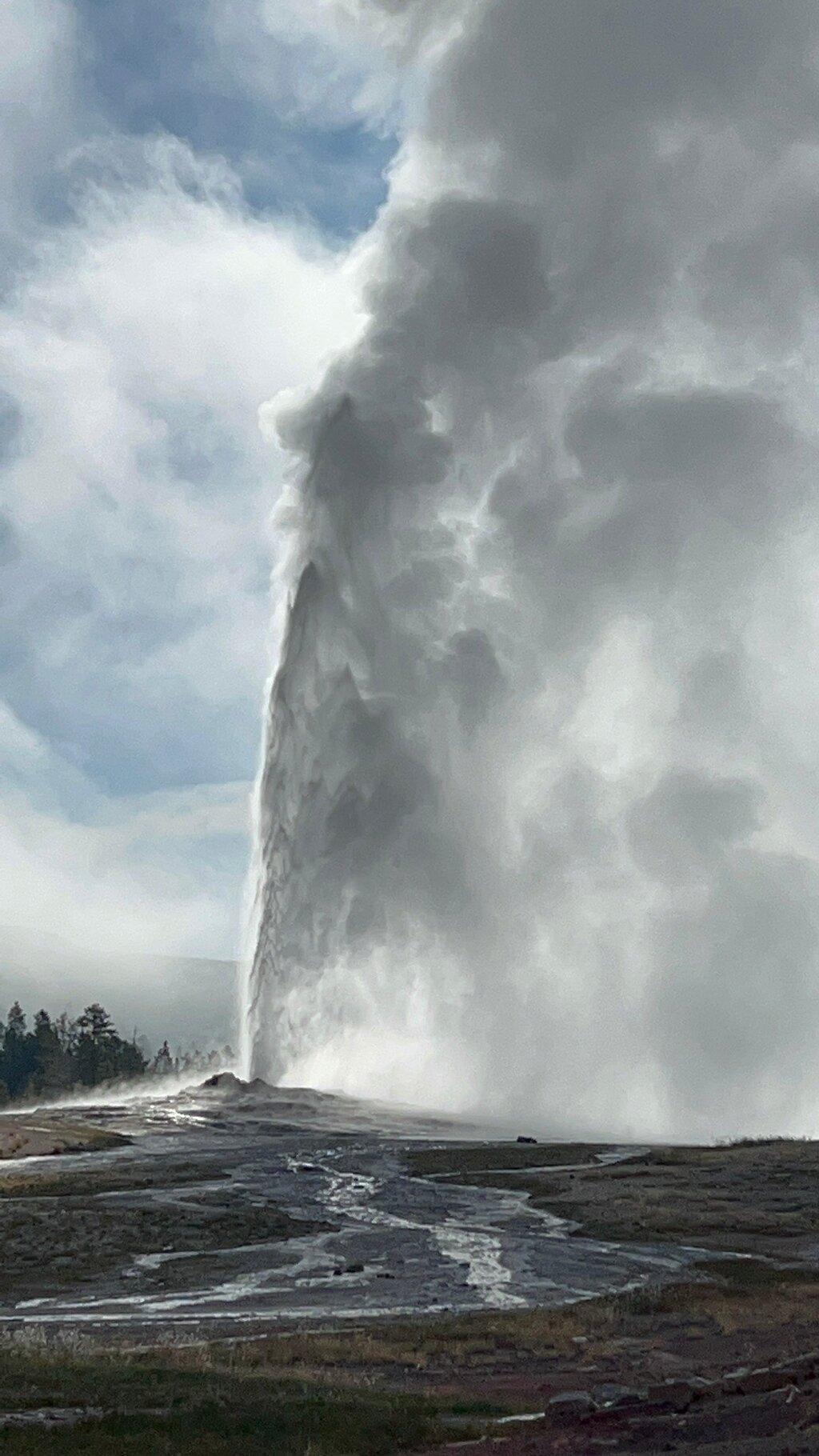
Old Faithful is only one of the roughly 500 geysers in Yellowstone National Park, but it is the predictability of eruptions that earned this geyser its name. Our safari makes a stop here. Your guide will educate you on the historical or geological significance of your stop.
11
Yellowstone National Park
Your exact route and itinerary will be determined by your interests, current wildlife sightings, and current weather and road conditions. Our guides are all highly experienced, with thousands of hours in the field, and will expertly tailor your safari to you and your group. Summer is construction season in Yellowstone National Park and sometimes this can impact our tours. Please communicate to your guide what you most wish to see in the park and your guide will do their best to navigate road closures, traffic slowdowns, and construction wait times.
12
Mammoth Hot Springs
Mammoth Hot Springs is a collection of thermal features at the north entrance of Yellowstone National Park. It is best known for the travertine terraces that form from mineral deposits, but there are many other observable geothermal features in this area. The algae living in the pools creates the distinct brownish, reddish colors. Our safari makes a stop here. Your guide will educate you on the historical or geological significance of your stop.
13
Hayden Valley
The Hayden Valley is located in central Yellowstone National Park and is home to an abundance of wildlife. The valley floor was once the lakebed of Yellowstone Lake, but is now home to streams, grassy plains and geothermal features. Our safari makes several stops here in search of wildlife. Your guide will educate you on the historical or geological significance of your stop.
14
Grand Canyon of the Yellowstone
At a depth of more than 1000ft (305m), the Grand Canyon of the Yellowstone River is an impressive sight. Water, wind, earthquakes and hydrothermal features have all worked together to form this area. Two waterfalls are visible from multiple vantage points, Upper Falls and Lower Falls. Our safari makes a stop here. Your guide will educate you on the historical or geological significance of your stop.
15
Grand Prismatic Spring
Grand Prismatic Spring is located in the Midway Geyser Basin in Yellowstone National Park. The third largest hot spring in the world is most well known for the rainbow effect that the microbial mats create, producing reds, oranges, yellows and greens around the edges of the spring. The blue center is the result of sterile water at great depth appearing blue to the eye. Our safari makes a stop here. Your guide will educate you on the historical or geological significance of your stop.
16
Artist Point
Incorrectly named as the vantage point for Thomas Moran's famous waterfall sketches, the name Artist Point remains to this day. Located on the south rim of the Grand Canyon of the Yellowstone, this point provides classic views of Lower Falls on the Yellowstone River. Our safari makes a stop here. Your guide will educate you on the historical or geological significance of your stop.
17
Lower Yellowstone River Falls
The first photographic depictions of the Lower Falls were made in 1871 during the Hayden Expedition, although Native American tribes have known about the falls for centuries. Cascading roughly 308ft (94m) over volcanic rock, the falls are an impressive sight from several vantage points. Our safari makes a stop here. Your guide will educate you on the historical or geological significance of your stop.
18
Fountain Paint Pot
Fountain Paint Pot, located in the Lower Geyser Basin, is a mud pot most recognized for the reds, yellows and browns that can be seen in the soil. The colors represent varying levels of iron oxidation in the mud. Our safari makes a stop here. Your guide will educate you on the historical or geological significance of your stop.
19
Grand Loop Road
The Grand Loop Road provides access to most major highlights in Yellowstone National Park. Our safari makes several stops along this route to search for wildlife and visit notable historical or geological sites. Your guide will educate you on the historical or geological significance of your stop.
20
Old Faithful
Old Faithful is only one of the roughly 500 geysers in Yellowstone National Park, but it is the predictability of eruptions that earned this geyser its name. Our safari makes a stop here. Your guide will educate you on the historical or geological significance of your stop.
21
Yellowstone National Park
Your exact route and itinerary will be determined by your interests, current wildlife sightings, and current weather and road conditions. Our guides are all highly experienced, with thousands of hours in the field, and will expertly tailor your safari to you and your group. Summer is construction season in Yellowstone National Park and sometimes this can impact our tours. Please communicate to your guide what you most wish to see in the park and your guide will do their best to navigate road closures, traffic slowdowns, and construction wait times.
22
Mammoth Hot Springs
Mammoth Hot Springs is a collection of thermal features at the north entrance of Yellowstone National Park. It is best known for the travertine terraces that form from mineral deposits, but there are many other observable geothermal features in this area. The algae living in the pools creates the distinct brownish, reddish colors. Our safari makes a stop here. Your guide will educate you on the historical or geological significance of your stop.
23
Hayden Valley
The Hayden Valley is located in central Yellowstone National Park and is home to an abundance of wildlife. The valley floor was once the lakebed of Yellowstone Lake, but is now home to streams, grassy plains and geothermal features. Our safari makes several stops here in search of wildlife. Your guide will educate you on the historical or geological significance of your stop.
24
Grand Canyon of the Yellowstone
At a depth of more than 1000ft (305m), the Grand Canyon of the Yellowstone River is an impressive sight. Water, wind, earthquakes and hydrothermal features have all worked together to form this area. Two waterfalls are visible from multiple vantage points, Upper Falls and Lower Falls. Our safari makes a stop here. Your guide will educate you on the historical or geological significance of your stop.
25
Grand Prismatic Spring
Grand Prismatic Spring is located in the Midway Geyser Basin in Yellowstone National Park. The third largest hot spring in the world is most well known for the rainbow effect that the microbial mats create, producing reds, oranges, yellows and greens around the edges of the spring. The blue center is the result of sterile water at great depth appearing blue to the eye. Our safari makes a stop here. Your guide will educate you on the historical or geological significance of your stop.
26
Artist Point
Incorrectly named as the vantage point for Thomas Moran's famous waterfall sketches, the name Artist Point remains to this day. Located on the south rim of the Grand Canyon of the Yellowstone, this point provides classic views of Lower Falls on the Yellowstone River. Our safari makes a stop here. Your guide will educate you on the historical or geological significance of your stop.
27
Lower Yellowstone River Falls
The first photographic depictions of the Lower Falls were made in 1871 during the Hayden Expedition, although Native American tribes have known about the falls for centuries. Cascading roughly 308ft (94m) over volcanic rock, the falls are an impressive sight from several vantage points. Our safari makes a stop here. Your guide will educate you on the historical or geological significance of your stop.
28
Fountain Paint Pot
Fountain Paint Pot, located in the Lower Geyser Basin, is a mud pot most recognized for the reds, yellows and browns that can be seen in the soil. The colors represent varying levels of iron oxidation in the mud. Our safari makes a stop here. Your guide will educate you on the historical or geological significance of your stop.
29
Grand Loop Road
The Grand Loop Road provides access to most major highlights in Yellowstone National Park. Our safari makes several stops along this route to search for wildlife and visit notable historical or geological sites. Your guide will educate you on the historical or geological significance of your stop.
30
Old Faithful
Old Faithful is only one of the roughly 500 geysers in Yellowstone National Park, but it is the predictability of eruptions that earned this geyser its name. Our safari makes a stop here. Your guide will educate you on the historical or geological significance of your stop.
31
Yellowstone National Park
Your exact route and itinerary will be determined by your interests, current wildlife sightings, and current weather and road conditions. Our guides are all highly experienced, with thousands of hours in the field, and will expertly tailor your safari to you and your group. Summer is construction season in Yellowstone National Park and sometimes this can impact our tours. Please communicate to your guide what you most wish to see in the park and your guide will do their best to navigate road closures, traffic slowdowns, and construction wait times.
32
Mammoth Hot Springs
Mammoth Hot Springs is a collection of thermal features at the north entrance of Yellowstone National Park. It is best known for the travertine terraces that form from mineral deposits, but there are many other observable geothermal features in this area. The algae living in the pools creates the distinct brownish, reddish colors. Our safari makes a stop here. Your guide will educate you on the historical or geological significance of your stop.
33
Hayden Valley
The Hayden Valley is located in central Yellowstone National Park and is home to an abundance of wildlife. The valley floor was once the lakebed of Yellowstone Lake, but is now home to streams, grassy plains and geothermal features. Our safari makes several stops here in search of wildlife. Your guide will educate you on the historical or geological significance of your stop.
34
Grand Canyon of the Yellowstone
At a depth of more than 1000ft (305m), the Grand Canyon of the Yellowstone River is an impressive sight. Water, wind, earthquakes and hydrothermal features have all worked together to form this area. Two waterfalls are visible from multiple vantage points, Upper Falls and Lower Falls. Our safari makes a stop here. Your guide will educate you on the historical or geological significance of your stop.
35
Grand Prismatic Spring
Grand Prismatic Spring is located in the Midway Geyser Basin in Yellowstone National Park. The third largest hot spring in the world is most well known for the rainbow effect that the microbial mats create, producing reds, oranges, yellows and greens around the edges of the spring. The blue center is the result of sterile water at great depth appearing blue to the eye. Our safari makes a stop here. Your guide will educate you on the historical or geological significance of your stop.
36
Artist Point
Incorrectly named as the vantage point for Thomas Moran's famous waterfall sketches, the name Artist Point remains to this day. Located on the south rim of the Grand Canyon of the Yellowstone, this point provides classic views of Lower Falls on the Yellowstone River. Our safari makes a stop here. Your guide will educate you on the historical or geological significance of your stop.
37
Lower Yellowstone River Falls
The first photographic depictions of the Lower Falls were made in 1871 during the Hayden Expedition, although Native American tribes have known about the falls for centuries. Cascading roughly 308ft (94m) over volcanic rock, the falls are an impressive sight from several vantage points. Our safari makes a stop here. Your guide will educate you on the historical or geological significance of your stop.
38
Fountain Paint Pot
Fountain Paint Pot, located in the Lower Geyser Basin, is a mud pot most recognized for the reds, yellows and browns that can be seen in the soil. The colors represent varying levels of iron oxidation in the mud. Our safari makes a stop here. Your guide will educate you on the historical or geological significance of your stop.
39
Grand Loop Road
The Grand Loop Road provides access to most major highlights in Yellowstone National Park. Our safari makes several stops along this route to search for wildlife and visit notable historical or geological sites. Your guide will educate you on the historical or geological significance of your stop.
40
Old Faithful
Old Faithful is only one of the roughly 500 geysers in Yellowstone National Park, but it is the predictability of eruptions that earned this geyser its name. Our safari makes a stop here. Your guide will educate you on the historical or geological significance of your stop.
41
Yellowstone National Park
Your exact route and itinerary will be determined by your interests, current wildlife sightings, and current weather and road conditions. Our guides are all highly experienced, with thousands of hours in the field, and will expertly tailor your safari to you and your group. Summer is construction season in Yellowstone National Park and sometimes this can impact our tours. Please communicate to your guide what you most wish to see in the park and your guide will do their best to navigate road closures, traffic slowdowns, and construction wait times.
42
Mammoth Hot Springs
Mammoth Hot Springs is a collection of thermal features at the north entrance of Yellowstone National Park. It is best known for the travertine terraces that form from mineral deposits, but there are many other observable geothermal features in this area. The algae living in the pools creates the distinct brownish, reddish colors. Our safari makes a stop here. Your guide will educate you on the historical or geological significance of your stop.
43
Hayden Valley
The Hayden Valley is located in central Yellowstone National Park and is home to an abundance of wildlife. The valley floor was once the lakebed of Yellowstone Lake, but is now home to streams, grassy plains and geothermal features. Our safari makes several stops here in search of wildlife. Your guide will educate you on the historical or geological significance of your stop.
44
Grand Canyon of the Yellowstone
At a depth of more than 1000ft (305m), the Grand Canyon of the Yellowstone River is an impressive sight. Water, wind, earthquakes and hydrothermal features have all worked together to form this area. Two waterfalls are visible from multiple vantage points, Upper Falls and Lower Falls. Our safari makes a stop here. Your guide will educate you on the historical or geological significance of your stop.
45
Grand Prismatic Spring
Grand Prismatic Spring is located in the Midway Geyser Basin in Yellowstone National Park. The third largest hot spring in the world is most well known for the rainbow effect that the microbial mats create, producing reds, oranges, yellows and greens around the edges of the spring. The blue center is the result of sterile water at great depth appearing blue to the eye. Our safari makes a stop here. Your guide will educate you on the historical or geological significance of your stop.
46
Artist Point
Incorrectly named as the vantage point for Thomas Moran's famous waterfall sketches, the name Artist Point remains to this day. Located on the south rim of the Grand Canyon of the Yellowstone, this point provides classic views of Lower Falls on the Yellowstone River. Our safari makes a stop here. Your guide will educate you on the historical or geological significance of your stop.
47
Lower Yellowstone River Falls
The first photographic depictions of the Lower Falls were made in 1871 during the Hayden Expedition, although Native American tribes have known about the falls for centuries. Cascading roughly 308ft (94m) over volcanic rock, the falls are an impressive sight from several vantage points. Our safari makes a stop here. Your guide will educate you on the historical or geological significance of your stop.
48
Fountain Paint Pot
Fountain Paint Pot, located in the Lower Geyser Basin, is a mud pot most recognized for the reds, yellows and browns that can be seen in the soil. The colors represent varying levels of iron oxidation in the mud. Our safari makes a stop here. Your guide will educate you on the historical or geological significance of your stop.
49
Grand Loop Road
The Grand Loop Road provides access to most major highlights in Yellowstone National Park. Our safari makes several stops along this route to search for wildlife and visit notable historical or geological sites. Your guide will educate you on the historical or geological significance of your stop.
50
Old Faithful
Old Faithful is only one of the roughly 500 geysers in Yellowstone National Park, but it is the predictability of eruptions that earned this geyser its name. Our safari makes a stop here. Your guide will educate you on the historical or geological significance of your stop.
51
Yellowstone National Park
Your exact route and itinerary will be determined by your interests, current wildlife sightings, and current weather and road conditions. Our guides are all highly experienced, with thousands of hours in the field, and will expertly tailor your safari to you and your group. Summer is construction season in Yellowstone National Park and sometimes this can impact our tours. Please communicate to your guide what you most wish to see in the park and your guide will do their best to navigate road closures, traffic slowdowns, and construction wait times.
52
Mammoth Hot Springs
Mammoth Hot Springs is a collection of thermal features at the north entrance of Yellowstone National Park. It is best known for the travertine terraces that form from mineral deposits, but there are many other observable geothermal features in this area. The algae living in the pools creates the distinct brownish, reddish colors. Our safari makes a stop here. Your guide will educate you on the historical or geological significance of your stop.
53
Hayden Valley
The Hayden Valley is located in central Yellowstone National Park and is home to an abundance of wildlife. The valley floor was once the lakebed of Yellowstone Lake, but is now home to streams, grassy plains and geothermal features. Our safari makes several stops here in search of wildlife. Your guide will educate you on the historical or geological significance of your stop.
54
Grand Canyon of the Yellowstone
At a depth of more than 1000ft (305m), the Grand Canyon of the Yellowstone River is an impressive sight. Water, wind, earthquakes and hydrothermal features have all worked together to form this area. Two waterfalls are visible from multiple vantage points, Upper Falls and Lower Falls. Our safari makes a stop here. Your guide will educate you on the historical or geological significance of your stop.
55
Grand Prismatic Spring
Grand Prismatic Spring is located in the Midway Geyser Basin in Yellowstone National Park. The third largest hot spring in the world is most well known for the rainbow effect that the microbial mats create, producing reds, oranges, yellows and greens around the edges of the spring. The blue center is the result of sterile water at great depth appearing blue to the eye. Our safari makes a stop here. Your guide will educate you on the historical or geological significance of your stop.
56
Artist Point
Incorrectly named as the vantage point for Thomas Moran's famous waterfall sketches, the name Artist Point remains to this day. Located on the south rim of the Grand Canyon of the Yellowstone, this point provides classic views of Lower Falls on the Yellowstone River. Our safari makes a stop here. Your guide will educate you on the historical or geological significance of your stop.
57
Lower Yellowstone River Falls
The first photographic depictions of the Lower Falls were made in 1871 during the Hayden Expedition, although Native American tribes have known about the falls for centuries. Cascading roughly 308ft (94m) over volcanic rock, the falls are an impressive sight from several vantage points. Our safari makes a stop here. Your guide will educate you on the historical or geological significance of your stop.
58
Fountain Paint Pot
Fountain Paint Pot, located in the Lower Geyser Basin, is a mud pot most recognized for the reds, yellows and browns that can be seen in the soil. The colors represent varying levels of iron oxidation in the mud. Our safari makes a stop here. Your guide will educate you on the historical or geological significance of your stop.
59
Grand Loop Road
The Grand Loop Road provides access to most major highlights in Yellowstone National Park. Our safari makes several stops along this route to search for wildlife and visit notable historical or geological sites. Your guide will educate you on the historical or geological significance of your stop.
60
Old Faithful
Old Faithful is only one of the roughly 500 geysers in Yellowstone National Park, but it is the predictability of eruptions that earned this geyser its name. Our safari makes a stop here. Your guide will educate you on the historical or geological significance of your stop.
61
Yellowstone National Park
Your exact route and itinerary will be determined by your interests, current wildlife sightings, and current weather and road conditions. Our guides are all highly experienced, with thousands of hours in the field, and will expertly tailor your safari to you and your group. Summer is construction season in Yellowstone National Park and sometimes this can impact our tours. Please communicate to your guide what you most wish to see in the park and your guide will do their best to navigate road closures, traffic slowdowns, and construction wait times.
62
Mammoth Hot Springs
Mammoth Hot Springs is a collection of thermal features at the north entrance of Yellowstone National Park. It is best known for the travertine terraces that form from mineral deposits, but there are many other observable geothermal features in this area. The algae living in the pools creates the distinct brownish, reddish colors. Our safari makes a stop here. Your guide will educate you on the historical or geological significance of your stop.
63
Hayden Valley
The Hayden Valley is located in central Yellowstone National Park and is home to an abundance of wildlife. The valley floor was once the lakebed of Yellowstone Lake, but is now home to streams, grassy plains and geothermal features. Our safari makes several stops here in search of wildlife. Your guide will educate you on the historical or geological significance of your stop.
64
Grand Canyon of the Yellowstone
At a depth of more than 1000ft (305m), the Grand Canyon of the Yellowstone River is an impressive sight. Water, wind, earthquakes and hydrothermal features have all worked together to form this area. Two waterfalls are visible from multiple vantage points, Upper Falls and Lower Falls. Our safari makes a stop here. Your guide will educate you on the historical or geological significance of your stop.
65
Grand Prismatic Spring
Grand Prismatic Spring is located in the Midway Geyser Basin in Yellowstone National Park. The third largest hot spring in the world is most well known for the rainbow effect that the microbial mats create, producing reds, oranges, yellows and greens around the edges of the spring. The blue center is the result of sterile water at great depth appearing blue to the eye. Our safari makes a stop here. Your guide will educate you on the historical or geological significance of your stop.
66
Artist Point
Incorrectly named as the vantage point for Thomas Moran's famous waterfall sketches, the name Artist Point remains to this day. Located on the south rim of the Grand Canyon of the Yellowstone, this point provides classic views of Lower Falls on the Yellowstone River. Our safari makes a stop here. Your guide will educate you on the historical or geological significance of your stop.
67
Lower Yellowstone River Falls
The first photographic depictions of the Lower Falls were made in 1871 during the Hayden Expedition, although Native American tribes have known about the falls for centuries. Cascading roughly 308ft (94m) over volcanic rock, the falls are an impressive sight from several vantage points. Our safari makes a stop here. Your guide will educate you on the historical or geological significance of your stop.
68
Fountain Paint Pot
Fountain Paint Pot, located in the Lower Geyser Basin, is a mud pot most recognized for the reds, yellows and browns that can be seen in the soil. The colors represent varying levels of iron oxidation in the mud. Our safari makes a stop here. Your guide will educate you on the historical or geological significance of your stop.
69
Grand Loop Road
The Grand Loop Road provides access to most major highlights in Yellowstone National Park. Our safari makes several stops along this route to search for wildlife and visit notable historical or geological sites. Your guide will educate you on the historical or geological significance of your stop.
70
Old Faithful
Old Faithful is only one of the roughly 500 geysers in Yellowstone National Park, but it is the predictability of eruptions that earned this geyser its name. Our safari makes a stop here. Your guide will educate you on the historical or geological significance of your stop.
71
Yellowstone National Park
Your exact route and itinerary will be determined by your interests, current wildlife sightings, and current weather and road conditions. Our guides are all highly experienced, with thousands of hours in the field, and will expertly tailor your safari to you and your group. Summer is construction season in Yellowstone National Park and sometimes this can impact our tours. Please communicate to your guide what you most wish to see in the park and your guide will do their best to navigate road closures, traffic slowdowns, and construction wait times.
72
Mammoth Hot Springs
Mammoth Hot Springs is a collection of thermal features at the north entrance of Yellowstone National Park. It is best known for the travertine terraces that form from mineral deposits, but there are many other observable geothermal features in this area. The algae living in the pools creates the distinct brownish, reddish colors. Our safari makes a stop here. Your guide will educate you on the historical or geological significance of your stop.
73
Hayden Valley
The Hayden Valley is located in central Yellowstone National Park and is home to an abundance of wildlife. The valley floor was once the lakebed of Yellowstone Lake, but is now home to streams, grassy plains and geothermal features. Our safari makes several stops here in search of wildlife. Your guide will educate you on the historical or geological significance of your stop.
74
Grand Canyon of the Yellowstone
At a depth of more than 1000ft (305m), the Grand Canyon of the Yellowstone River is an impressive sight. Water, wind, earthquakes and hydrothermal features have all worked together to form this area. Two waterfalls are visible from multiple vantage points, Upper Falls and Lower Falls. Our safari makes a stop here. Your guide will educate you on the historical or geological significance of your stop.
75
Grand Prismatic Spring
Grand Prismatic Spring is located in the Midway Geyser Basin in Yellowstone National Park. The third largest hot spring in the world is most well known for the rainbow effect that the microbial mats create, producing reds, oranges, yellows and greens around the edges of the spring. The blue center is the result of sterile water at great depth appearing blue to the eye. Our safari makes a stop here. Your guide will educate you on the historical or geological significance of your stop.
76
Artist Point
Incorrectly named as the vantage point for Thomas Moran's famous waterfall sketches, the name Artist Point remains to this day. Located on the south rim of the Grand Canyon of the Yellowstone, this point provides classic views of Lower Falls on the Yellowstone River. Our safari makes a stop here. Your guide will educate you on the historical or geological significance of your stop.
77
Lower Yellowstone River Falls
The first photographic depictions of the Lower Falls were made in 1871 during the Hayden Expedition, although Native American tribes have known about the falls for centuries. Cascading roughly 308ft (94m) over volcanic rock, the falls are an impressive sight from several vantage points. Our safari makes a stop here. Your guide will educate you on the historical or geological significance of your stop.
78
Fountain Paint Pot
Fountain Paint Pot, located in the Lower Geyser Basin, is a mud pot most recognized for the reds, yellows and browns that can be seen in the soil. The colors represent varying levels of iron oxidation in the mud. Our safari makes a stop here. Your guide will educate you on the historical or geological significance of your stop.
79
Grand Loop Road
The Grand Loop Road provides access to most major highlights in Yellowstone National Park. Our safari makes several stops along this route to search for wildlife and visit notable historical or geological sites. Your guide will educate you on the historical or geological significance of your stop.
80
Old Faithful
Old Faithful is only one of the roughly 500 geysers in Yellowstone National Park, but it is the predictability of eruptions that earned this geyser its name. Our safari makes a stop here. Your guide will educate you on the historical or geological significance of your stop.
81
Yellowstone National Park
Your exact route and itinerary will be determined by your interests, current wildlife sightings, and current weather and road conditions. Our guides are all highly experienced, with thousands of hours in the field, and will expertly tailor your safari to you and your group. Summer is construction season in Yellowstone National Park and sometimes this can impact our tours. Please communicate to your guide what you most wish to see in the park and your guide will do their best to navigate road closures, traffic slowdowns, and construction wait times.
82
Mammoth Hot Springs
Mammoth Hot Springs is a collection of thermal features at the north entrance of Yellowstone National Park. It is best known for the travertine terraces that form from mineral deposits, but there are many other observable geothermal features in this area. The algae living in the pools creates the distinct brownish, reddish colors. Our safari makes a stop here. Your guide will educate you on the historical or geological significance of your stop.
83
Hayden Valley
The Hayden Valley is located in central Yellowstone National Park and is home to an abundance of wildlife. The valley floor was once the lakebed of Yellowstone Lake, but is now home to streams, grassy plains and geothermal features. Our safari makes several stops here in search of wildlife. Your guide will educate you on the historical or geological significance of your stop.
84
Grand Canyon of the Yellowstone
At a depth of more than 1000ft (305m), the Grand Canyon of the Yellowstone River is an impressive sight. Water, wind, earthquakes and hydrothermal features have all worked together to form this area. Two waterfalls are visible from multiple vantage points, Upper Falls and Lower Falls. Our safari makes a stop here. Your guide will educate you on the historical or geological significance of your stop.
85
Grand Prismatic Spring
Grand Prismatic Spring is located in the Midway Geyser Basin in Yellowstone National Park. The third largest hot spring in the world is most well known for the rainbow effect that the microbial mats create, producing reds, oranges, yellows and greens around the edges of the spring. The blue center is the result of sterile water at great depth appearing blue to the eye. Our safari makes a stop here. Your guide will educate you on the historical or geological significance of your stop.
86
Artist Point
Incorrectly named as the vantage point for Thomas Moran's famous waterfall sketches, the name Artist Point remains to this day. Located on the south rim of the Grand Canyon of the Yellowstone, this point provides classic views of Lower Falls on the Yellowstone River. Our safari makes a stop here. Your guide will educate you on the historical or geological significance of your stop.
87
Lower Yellowstone River Falls
The first photographic depictions of the Lower Falls were made in 1871 during the Hayden Expedition, although Native American tribes have known about the falls for centuries. Cascading roughly 308ft (94m) over volcanic rock, the falls are an impressive sight from several vantage points. Our safari makes a stop here. Your guide will educate you on the historical or geological significance of your stop.
88
Fountain Paint Pot
Fountain Paint Pot, located in the Lower Geyser Basin, is a mud pot most recognized for the reds, yellows and browns that can be seen in the soil. The colors represent varying levels of iron oxidation in the mud. Our safari makes a stop here. Your guide will educate you on the historical or geological significance of your stop.
89
Grand Loop Road
The Grand Loop Road provides access to most major highlights in Yellowstone National Park. Our safari makes several stops along this route to search for wildlife and visit notable historical or geological sites. Your guide will educate you on the historical or geological significance of your stop.
90
Old Faithful
Old Faithful is only one of the roughly 500 geysers in Yellowstone National Park, but it is the predictability of eruptions that earned this geyser its name. Our safari makes a stop here. Your guide will educate you on the historical or geological significance of your stop.
91
Yellowstone National Park
Your exact route and itinerary will be determined by your interests, current wildlife sightings, and current weather and road conditions. Our guides are all highly experienced, with thousands of hours in the field, and will expertly tailor your safari to you and your group. Summer is construction season in Yellowstone National Park and sometimes this can impact our tours. Please communicate to your guide what you most wish to see in the park and your guide will do their best to navigate road closures, traffic slowdowns, and construction wait times.
92
Mammoth Hot Springs
Mammoth Hot Springs is a collection of thermal features at the north entrance of Yellowstone National Park. It is best known for the travertine terraces that form from mineral deposits, but there are many other observable geothermal features in this area. The algae living in the pools creates the distinct brownish, reddish colors. Our safari makes a stop here. Your guide will educate you on the historical or geological significance of your stop.
93
Hayden Valley
The Hayden Valley is located in central Yellowstone National Park and is home to an abundance of wildlife. The valley floor was once the lakebed of Yellowstone Lake, but is now home to streams, grassy plains and geothermal features. Our safari makes several stops here in search of wildlife. Your guide will educate you on the historical or geological significance of your stop.
94
Grand Canyon of the Yellowstone
At a depth of more than 1000ft (305m), the Grand Canyon of the Yellowstone River is an impressive sight. Water, wind, earthquakes and hydrothermal features have all worked together to form this area. Two waterfalls are visible from multiple vantage points, Upper Falls and Lower Falls. Our safari makes a stop here. Your guide will educate you on the historical or geological significance of your stop.
95
Grand Prismatic Spring
Grand Prismatic Spring is located in the Midway Geyser Basin in Yellowstone National Park. The third largest hot spring in the world is most well known for the rainbow effect that the microbial mats create, producing reds, oranges, yellows and greens around the edges of the spring. The blue center is the result of sterile water at great depth appearing blue to the eye. Our safari makes a stop here. Your guide will educate you on the historical or geological significance of your stop.
96
Artist Point
Incorrectly named as the vantage point for Thomas Moran's famous waterfall sketches, the name Artist Point remains to this day. Located on the south rim of the Grand Canyon of the Yellowstone, this point provides classic views of Lower Falls on the Yellowstone River. Our safari makes a stop here. Your guide will educate you on the historical or geological significance of your stop.
97
Lower Yellowstone River Falls
The first photographic depictions of the Lower Falls were made in 1871 during the Hayden Expedition, although Native American tribes have known about the falls for centuries. Cascading roughly 308ft (94m) over volcanic rock, the falls are an impressive sight from several vantage points. Our safari makes a stop here. Your guide will educate you on the historical or geological significance of your stop.
98
Fountain Paint Pot
Fountain Paint Pot, located in the Lower Geyser Basin, is a mud pot most recognized for the reds, yellows and browns that can be seen in the soil. The colors represent varying levels of iron oxidation in the mud. Our safari makes a stop here. Your guide will educate you on the historical or geological significance of your stop.
99
Grand Loop Road
The Grand Loop Road provides access to most major highlights in Yellowstone National Park. Our safari makes several stops along this route to search for wildlife and visit notable historical or geological sites. Your guide will educate you on the historical or geological significance of your stop.
100
Old Faithful
Old Faithful is only one of the roughly 500 geysers in Yellowstone National Park, but it is the predictability of eruptions that earned this geyser its name. Our safari makes a stop here. Your guide will educate you on the historical or geological significance of your stop.
101
Yellowstone National Park
Your exact route and itinerary will be determined by your interests, current wildlife sightings, and current weather and road conditions. Our guides are all highly experienced, with thousands of hours in the field, and will expertly tailor your safari to you and your group. Summer is construction season in Yellowstone National Park and sometimes this can impact our tours. Please communicate to your guide what you most wish to see in the park and your guide will do their best to navigate road closures, traffic slowdowns, and construction wait times.
102
Mammoth Hot Springs
Mammoth Hot Springs is a collection of thermal features at the north entrance of Yellowstone National Park. It is best known for the travertine terraces that form from mineral deposits, but there are many other observable geothermal features in this area. The algae living in the pools creates the distinct brownish, reddish colors. Our safari makes a stop here. Your guide will educate you on the historical or geological significance of your stop.
103
Hayden Valley
The Hayden Valley is located in central Yellowstone National Park and is home to an abundance of wildlife. The valley floor was once the lakebed of Yellowstone Lake, but is now home to streams, grassy plains and geothermal features. Our safari makes several stops here in search of wildlife. Your guide will educate you on the historical or geological significance of your stop.
104
Grand Canyon of the Yellowstone
At a depth of more than 1000ft (305m), the Grand Canyon of the Yellowstone River is an impressive sight. Water, wind, earthquakes and hydrothermal features have all worked together to form this area. Two waterfalls are visible from multiple vantage points, Upper Falls and Lower Falls. Our safari makes a stop here. Your guide will educate you on the historical or geological significance of your stop.
105
Grand Prismatic Spring
Grand Prismatic Spring is located in the Midway Geyser Basin in Yellowstone National Park. The third largest hot spring in the world is most well known for the rainbow effect that the microbial mats create, producing reds, oranges, yellows and greens around the edges of the spring. The blue center is the result of sterile water at great depth appearing blue to the eye. Our safari makes a stop here. Your guide will educate you on the historical or geological significance of your stop.
106
Artist Point
Incorrectly named as the vantage point for Thomas Moran's famous waterfall sketches, the name Artist Point remains to this day. Located on the south rim of the Grand Canyon of the Yellowstone, this point provides classic views of Lower Falls on the Yellowstone River. Our safari makes a stop here. Your guide will educate you on the historical or geological significance of your stop.
107
Lower Yellowstone River Falls
The first photographic depictions of the Lower Falls were made in 1871 during the Hayden Expedition, although Native American tribes have known about the falls for centuries. Cascading roughly 308ft (94m) over volcanic rock, the falls are an impressive sight from several vantage points. Our safari makes a stop here. Your guide will educate you on the historical or geological significance of your stop.
108
Fountain Paint Pot
Fountain Paint Pot, located in the Lower Geyser Basin, is a mud pot most recognized for the reds, yellows and browns that can be seen in the soil. The colors represent varying levels of iron oxidation in the mud. Our safari makes a stop here. Your guide will educate you on the historical or geological significance of your stop.
109
Grand Loop Road
The Grand Loop Road provides access to most major highlights in Yellowstone National Park. Our safari makes several stops along this route to search for wildlife and visit notable historical or geological sites. Your guide will educate you on the historical or geological significance of your stop.
110
Old Faithful
Old Faithful is only one of the roughly 500 geysers in Yellowstone National Park, but it is the predictability of eruptions that earned this geyser its name. Our safari makes a stop here. Your guide will educate you on the historical or geological significance of your stop.
111
Yellowstone National Park
Your exact route and itinerary will be determined by your interests, current wildlife sightings, and current weather and road conditions. Our guides are all highly experienced, with thousands of hours in the field, and will expertly tailor your safari to you and your group. Summer is construction season in Yellowstone National Park and sometimes this can impact our tours. Please communicate to your guide what you most wish to see in the park and your guide will do their best to navigate road closures, traffic slowdowns, and construction wait times.
112
Mammoth Hot Springs
Mammoth Hot Springs is a collection of thermal features at the north entrance of Yellowstone National Park. It is best known for the travertine terraces that form from mineral deposits, but there are many other observable geothermal features in this area. The algae living in the pools creates the distinct brownish, reddish colors. Our safari makes a stop here. Your guide will educate you on the historical or geological significance of your stop.
113
Hayden Valley
The Hayden Valley is located in central Yellowstone National Park and is home to an abundance of wildlife. The valley floor was once the lakebed of Yellowstone Lake, but is now home to streams, grassy plains and geothermal features. Our safari makes several stops here in search of wildlife. Your guide will educate you on the historical or geological significance of your stop.
114
Grand Canyon of the Yellowstone
At a depth of more than 1000ft (305m), the Grand Canyon of the Yellowstone River is an impressive sight. Water, wind, earthquakes and hydrothermal features have all worked together to form this area. Two waterfalls are visible from multiple vantage points, Upper Falls and Lower Falls. Our safari makes a stop here. Your guide will educate you on the historical or geological significance of your stop.
115
Grand Prismatic Spring
Grand Prismatic Spring is located in the Midway Geyser Basin in Yellowstone National Park. The third largest hot spring in the world is most well known for the rainbow effect that the microbial mats create, producing reds, oranges, yellows and greens around the edges of the spring. The blue center is the result of sterile water at great depth appearing blue to the eye. Our safari makes a stop here. Your guide will educate you on the historical or geological significance of your stop.
116
Artist Point
Incorrectly named as the vantage point for Thomas Moran's famous waterfall sketches, the name Artist Point remains to this day. Located on the south rim of the Grand Canyon of the Yellowstone, this point provides classic views of Lower Falls on the Yellowstone River. Our safari makes a stop here. Your guide will educate you on the historical or geological significance of your stop.
117
Lower Yellowstone River Falls
The first photographic depictions of the Lower Falls were made in 1871 during the Hayden Expedition, although Native American tribes have known about the falls for centuries. Cascading roughly 308ft (94m) over volcanic rock, the falls are an impressive sight from several vantage points. Our safari makes a stop here. Your guide will educate you on the historical or geological significance of your stop.
118
Fountain Paint Pot
Fountain Paint Pot, located in the Lower Geyser Basin, is a mud pot most recognized for the reds, yellows and browns that can be seen in the soil. The colors represent varying levels of iron oxidation in the mud. Our safari makes a stop here. Your guide will educate you on the historical or geological significance of your stop.
119
Grand Loop Road
The Grand Loop Road provides access to most major highlights in Yellowstone National Park. Our safari makes several stops along this route to search for wildlife and visit notable historical or geological sites. Your guide will educate you on the historical or geological significance of your stop.
120
Old Faithful
Old Faithful is only one of the roughly 500 geysers in Yellowstone National Park, but it is the predictability of eruptions that earned this geyser its name. Our safari makes a stop here. Your guide will educate you on the historical or geological significance of your stop.
Show 117 більше зупинок
Політика скасування
For a full refund, cancel at least 24 hours before the scheduled departure time.
Фотографії мандрівників
Відгуки (28)
Mark_J
Apr 2024
Excellent eight-hour tour with host Gary, extremely knowledgeable (and a good storyteller too). Worth every penny.
Відповідь від хоста
May 2024
Thanks so much for this review! We think Gary is worth every penny too : ) He is just the best. So glad you enjoyed your day in the Park with him.
Margaret_B
Sep 2023
We took this tour starting in Gardiner. Our guide, Grant, was great! He managed the schedule to get the most in with the fewest delays and crowds. His comprehensive commentary allowed to get the most out of the sights. Well worth the money.
Відповідь від хоста
Sep 2023
Thank you for this great review! We always want to make the most of our day. Thank you for choosing to see the Park with us!
chameleons_carryons
Sep 2023
First, we must say that our tour guide, Jeff, was excellent. He was a wealth of information and through his knowledge gave us the opportunity to see a lot in one day. However, the company communication and booking was terrible. We booked and paid for a private tour through TripAdvisor. We paid $350 per person. When we arrived, there were two other people on our tour. We immediately called the company, and they claimed we booked it incorrectly. Yet, they also told us that had we booked a private tour it actually would have cost less than what we paid. They told us to complain to TripAdvisor. They refused to credit us any money. I would not use this company.
Відповідь від хоста
Sep 2023
Hi Kristen. This review is really misleading. I spoke with you multiple times regarding your booking the day of, when you were confronted with a tour you did not believe you booked. You and your group booked a Public tour through Viator, which we confirmed with you. And I want to make clear that we DID credit you in the amount of difference between the Public and Private tour, even though you chose to still take the tour and had a great day, and we were not obligated to do so. You were credited $205 through TripAdvisor yesterday. This was a fair refund. We do not appreciate customers bullying us and misrepresenting our company's policies which are fully invested in customer satisfaction and enjoyment. Thanks

Пов'язані події

Події в тому ж районі

Ми вважаємо, що ваша мова English
Якою мовою ви б хотіли переглядати цю сторінку?
English English
Ми вважаємо, що ваше місто Нью-Йорк
Яке місто ви б хотіли дослідити?
Нью-Йорк
New York City