Explorer
Log in

Visite à pied de l'histoire à Saint-Augustin

Aperçu
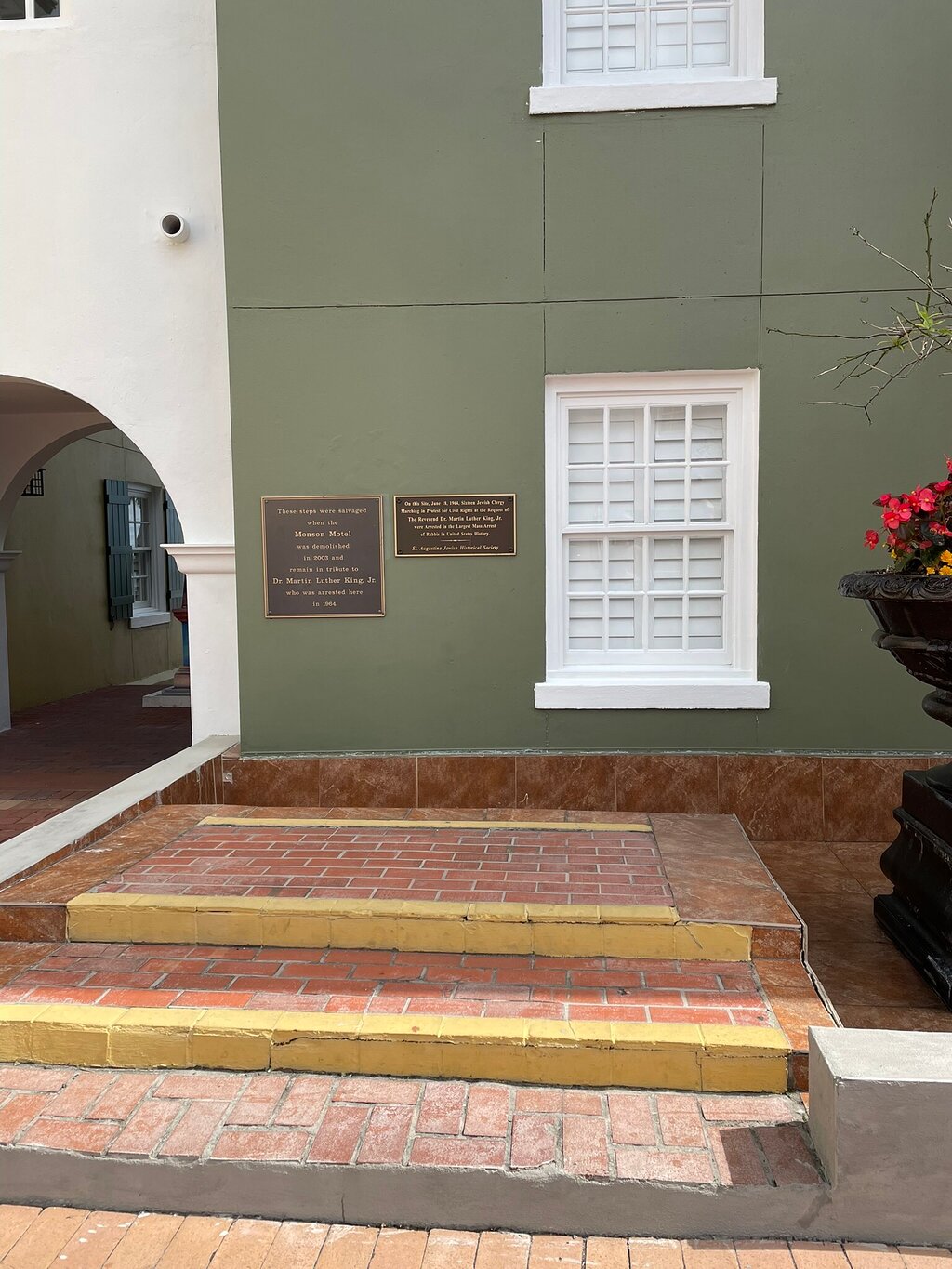
Let's go explore America’s oldest city and learn about the three different countries that controlled St. Augustine for most of the past 450 years. You will walk along our famous harbor and see the oldest masonry fort in America. Get to know the oldest grid system in our country, while walking the same streets as people like buccaneer Robert Searle, Henry Flagler, Theodore Roosevelt, Robert Frost and even Martin Luther King Jr did many years ago. We want you to get familiar with the city so you can go off and experience everything St. Augustine has to offer!
Ville: Sainte-Augustine
Fri 26 Dec
i
Vous pouvez déjà choisir la date sur le site de réservation
À partir de $33.00
Fri 26 Dec
À partir de $33.00
Faire une réservation
Ce qui est inclu
All Fees and Taxes
All Fees and Taxes
Toutes les taxes, frais et frais de traitement
All Fees and Taxes
All Fees and Taxes
All Fees and Taxes
Information additionnelle
  • Wheelchair accessible
  • Infants and small children can ride in a pram or stroller
  • Service animals allowed
  • Suitable for all physical fitness levels
À quoi s'attendre
1
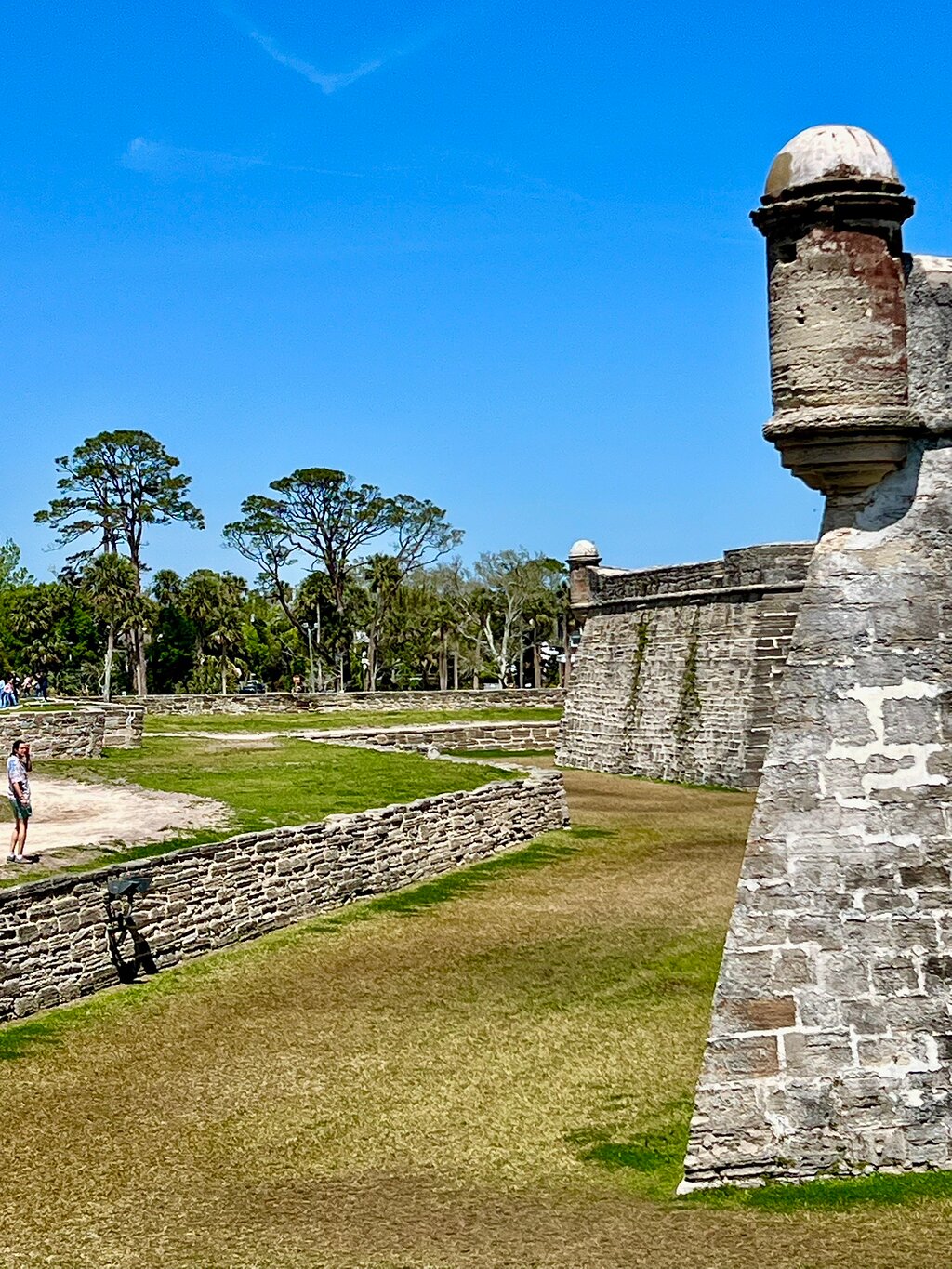
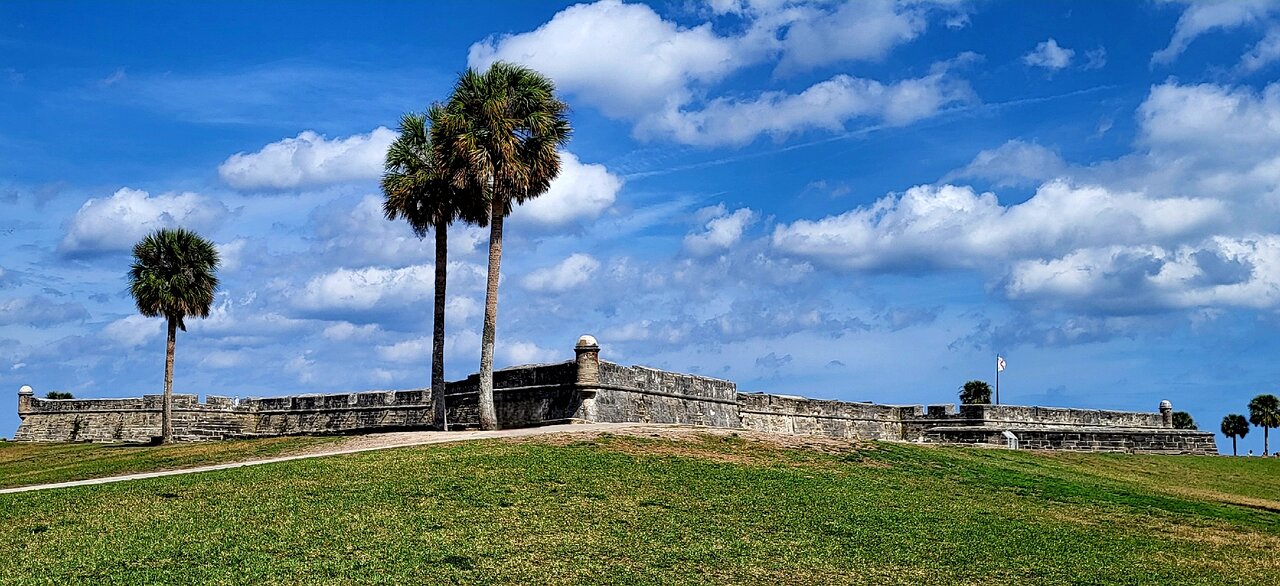
Castillo de San Marcos National Monument
The oldest standing masonry fort in the continental United States!
2
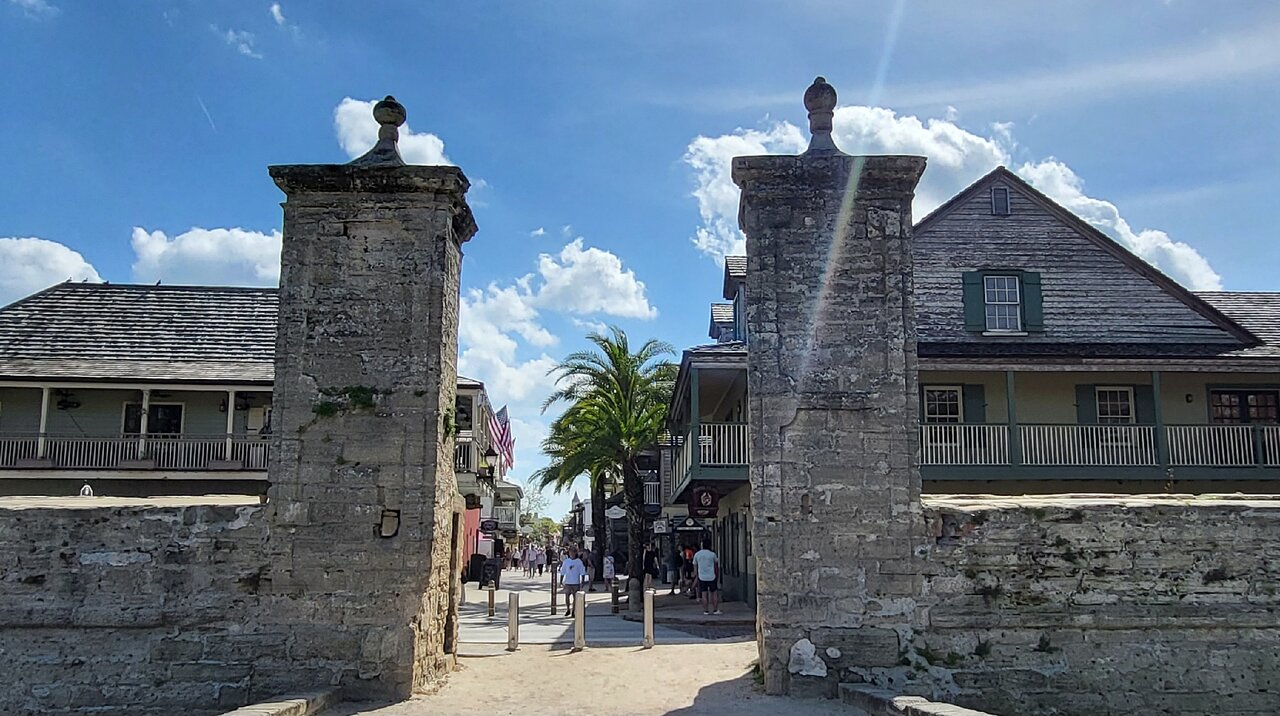
Huguenot Cemetery
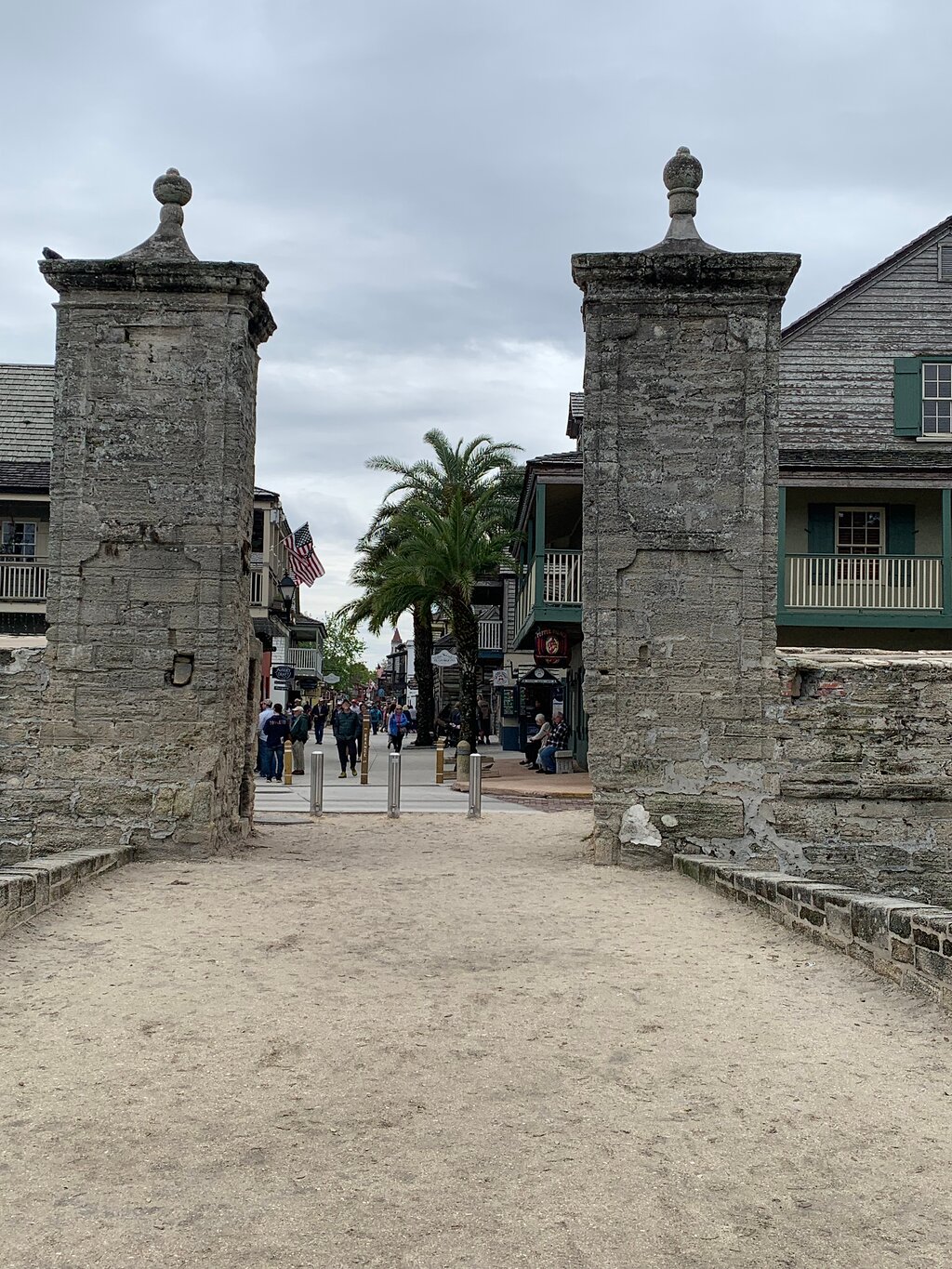
The Huguenot Cemetery in St. Augustine, Florida located across from the historic City Gate was a Protestant burial ground between the years 1821 and 1884.
3
Tolomato Cemetery
Tolomato Cemetery is located in St Augustine, Florida, the oldest European-founded city in the United States, and was in use as a cemetery from the 18th century until 1884. This beautiful space is the last resting place of some 1,000 St. Augustinians, including many people important to the history of Florida and the United States.
4
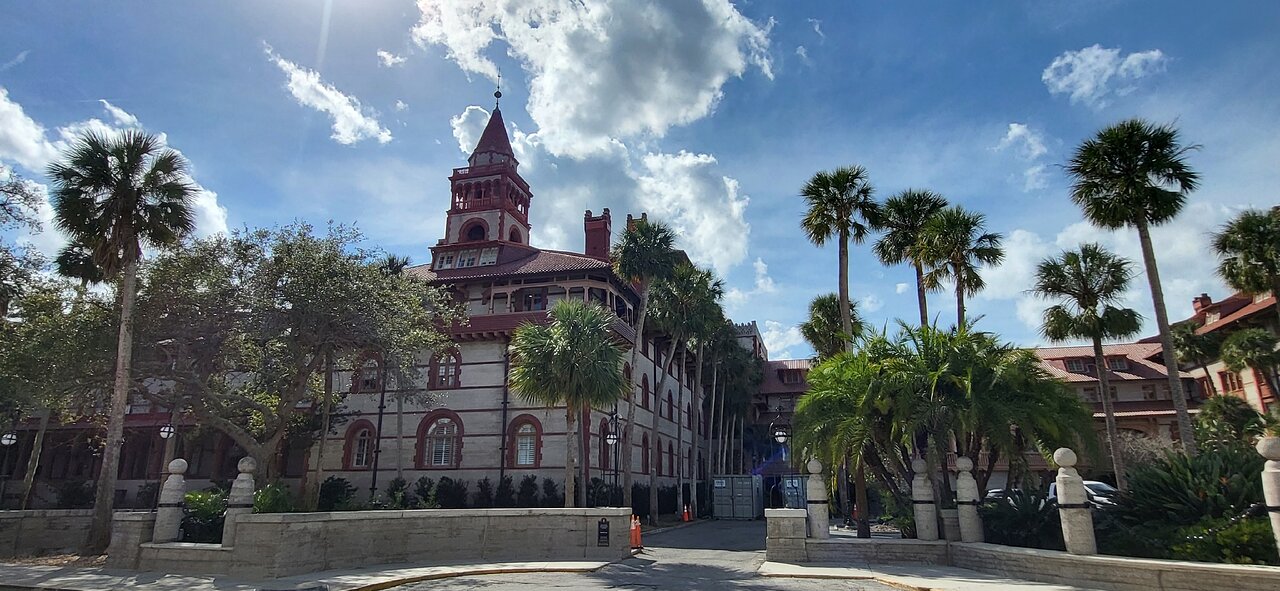
Flagler College
The former Ponce de Leon Hotel was an exclusive luxury hotel in St. Augustine, Florida, built by millionaire developer and Standard Oil co-founder Henry M. Flagler and completed in 1888. The hotel was designed in the Spanish Renaissance style as the first major project of the New York architecture firm Carrère & Hastings, which would go on to gain world renown.
5
Plaza de la Constitucion
The Plaza de la Constitución sits at the center of our historic city. Bordered by the Cathedral Basilica of St. Augustine, Trinity Episcopal, and the Government House, the plaza faces the Bridge of Lions and features a central pavilion used for city events, private events, and live entertainment.
6
Castillo de San Marcos National Monument
The oldest standing masonry fort in the continental United States!
7
Huguenot Cemetery
The Huguenot Cemetery in St. Augustine, Florida located across from the historic City Gate was a Protestant burial ground between the years 1821 and 1884.
8
Tolomato Cemetery
Tolomato Cemetery is located in St Augustine, Florida, the oldest European-founded city in the United States, and was in use as a cemetery from the 18th century until 1884. This beautiful space is the last resting place of some 1,000 St. Augustinians, including many people important to the history of Florida and the United States.
9
Flagler College
The former Ponce de Leon Hotel was an exclusive luxury hotel in St. Augustine, Florida, built by millionaire developer and Standard Oil co-founder Henry M. Flagler and completed in 1888. The hotel was designed in the Spanish Renaissance style as the first major project of the New York architecture firm Carrère & Hastings, which would go on to gain world renown.
10
Plaza de la Constitucion
The Plaza de la Constitución sits at the center of our historic city. Bordered by the Cathedral Basilica of St. Augustine, Trinity Episcopal, and the Government House, the plaza faces the Bridge of Lions and features a central pavilion used for city events, private events, and live entertainment.
11
Castillo de San Marcos National Monument
The oldest standing masonry fort in the continental United States!
12
Huguenot Cemetery
The Huguenot Cemetery in St. Augustine, Florida located across from the historic City Gate was a Protestant burial ground between the years 1821 and 1884.
13
Tolomato Cemetery
Tolomato Cemetery is located in St Augustine, Florida, the oldest European-founded city in the United States, and was in use as a cemetery from the 18th century until 1884. This beautiful space is the last resting place of some 1,000 St. Augustinians, including many people important to the history of Florida and the United States.
14
Flagler College
The former Ponce de Leon Hotel was an exclusive luxury hotel in St. Augustine, Florida, built by millionaire developer and Standard Oil co-founder Henry M. Flagler and completed in 1888. The hotel was designed in the Spanish Renaissance style as the first major project of the New York architecture firm Carrère & Hastings, which would go on to gain world renown.
15
Plaza de la Constitucion
The Plaza de la Constitución sits at the center of our historic city. Bordered by the Cathedral Basilica of St. Augustine, Trinity Episcopal, and the Government House, the plaza faces the Bridge of Lions and features a central pavilion used for city events, private events, and live entertainment.
16
Monument national Castillo de San Marcos
Le plus ancien fort en maçonnerie encore debout des États-Unis continentaux !
17
Cimetière Huguenot
Le cimetière huguenot de St. Augustine, en Floride, situé en face de la porte historique de la ville, était un cimetière protestant entre les années 1821 et 1884.
18
Cimetière de Tolomato
Le cimetière de Tolomato est situé à St Augustine, en Floride, la plus ancienne ville fondée par des Européens aux États-Unis, et a été utilisé comme cimetière du XVIIIe siècle jusqu'en 1884. Ce bel espace est le dernier lieu de repos d'environ 1 000 St. Augustins, y compris de nombreuses personnes importantes pour l'histoire de la Floride et des États-Unis.
19
Collège Flagler
L'ancien hôtel Ponce de Leon était un hôtel de luxe exclusif à St. Augustine, en Floride, construit par le développeur millionnaire et co-fondateur de Standard Oil Henry M. Flagler et achevé en 1888. L'hôtel a été conçu dans le style Renaissance espagnole comme le premier grand projet du cabinet d'architecture new-yorkais Carrère & Hastings, qui allait connaître une renommée mondiale.
20
Place de la Constitution
La Plaza de la Constitución se trouve au centre de notre ville historique. Bordée par la basilique cathédrale de Saint-Augustin, la Trinité épiscopale et la maison du gouvernement, la place fait face au pont des Lions et comprend un pavillon central utilisé pour les événements de la ville, les événements privés et les spectacles.
21
Ximenez-Fatio House Museum
Ximenez-Fatio House Museum is one of the best-preserved and most authentic Second Spanish Period residential buildings in St. Augustine, Florida.
22
Spanish Military Hospital Museum
This St. Augustine museum includes exhibits related to medicine in the colonial period and the general history of the Second Spanish Period (1784-1821). The museum is located at the site of a colonial-era hospital that mirrors the history of Florida.
23
Plaza de la Constitucion
The Plaza de la Constitución sits at the center of our historic city. Bordered by the Cathedral Basilica of St. Augustine, Trinity Episcopal, and the Government House, the plaza faces the Bridge of Lions and features a central pavilion used for city events, private events, and live entertainment.
24
Castillo de San Marcos National Monument
As we stroll along the waterfront, we'll discuss the oldest standing masonry fort in the continental United States!
25
Huguenot Cemetery
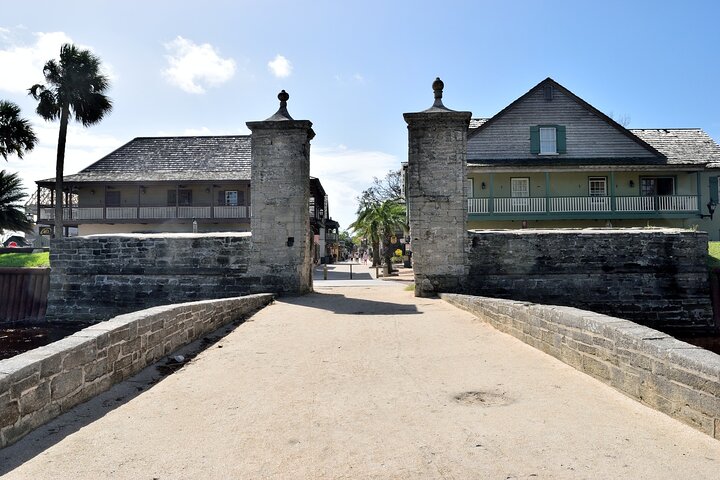
The Huguenot Cemetery in St. Augustine, Florida located across from the historic City Gate was a Protestant burial ground between the years 1821 and 1884.
26
St. George Street
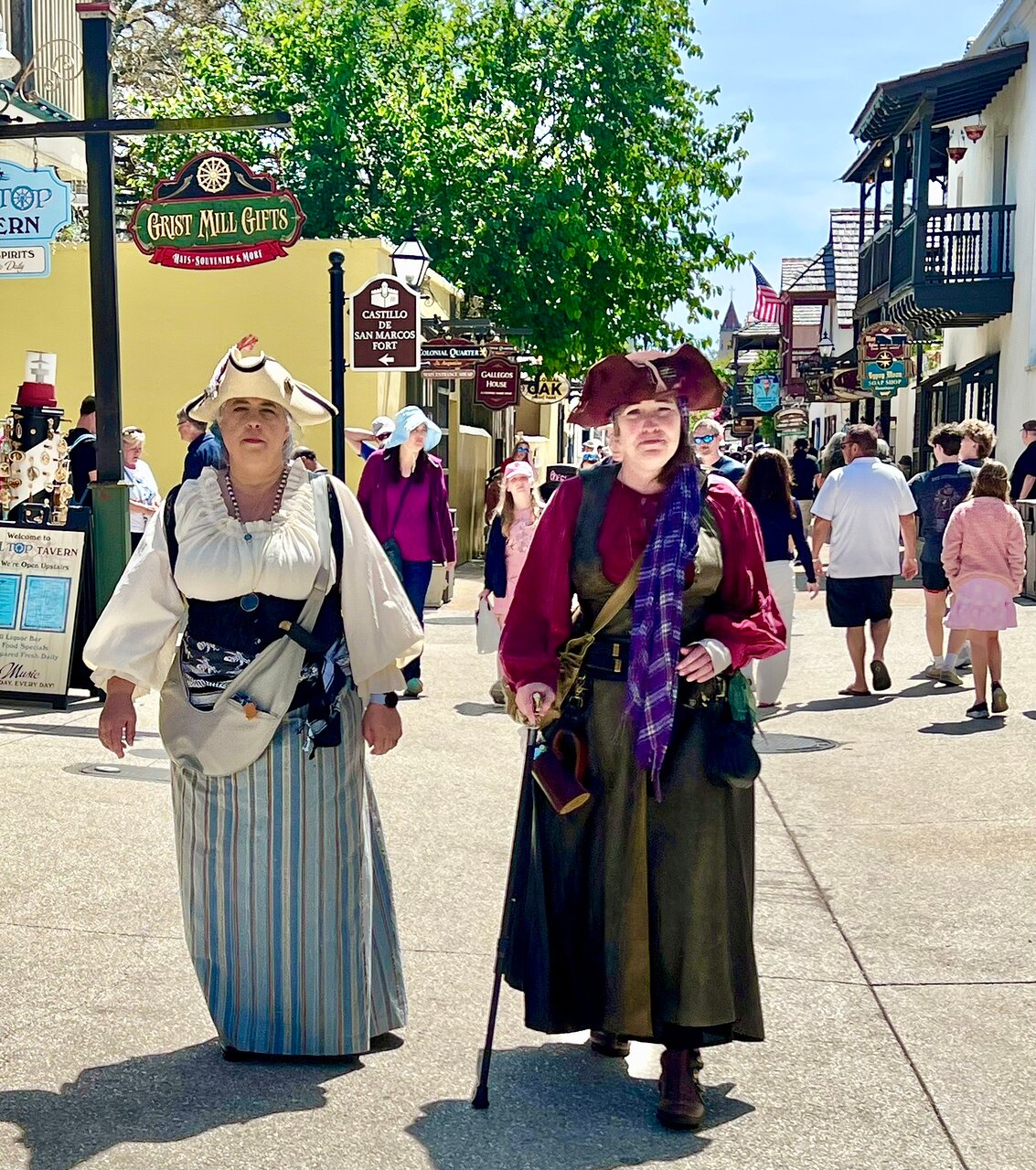
The backbone of the city, St. George Street in St. Augustine is a thoroughfare, pedestrian-only street lined with restaurants, shops, attractions, and immersed in history.
27
Colonial Quarter
The Colonial Quarter is where visitors can experience hundreds of years of Colonial Spanish and British living history in St. Augustine. This two-acre revamped attraction takes vacationers and locals back in time through three centuries of the formation and creation of the nation's oldest city.
28
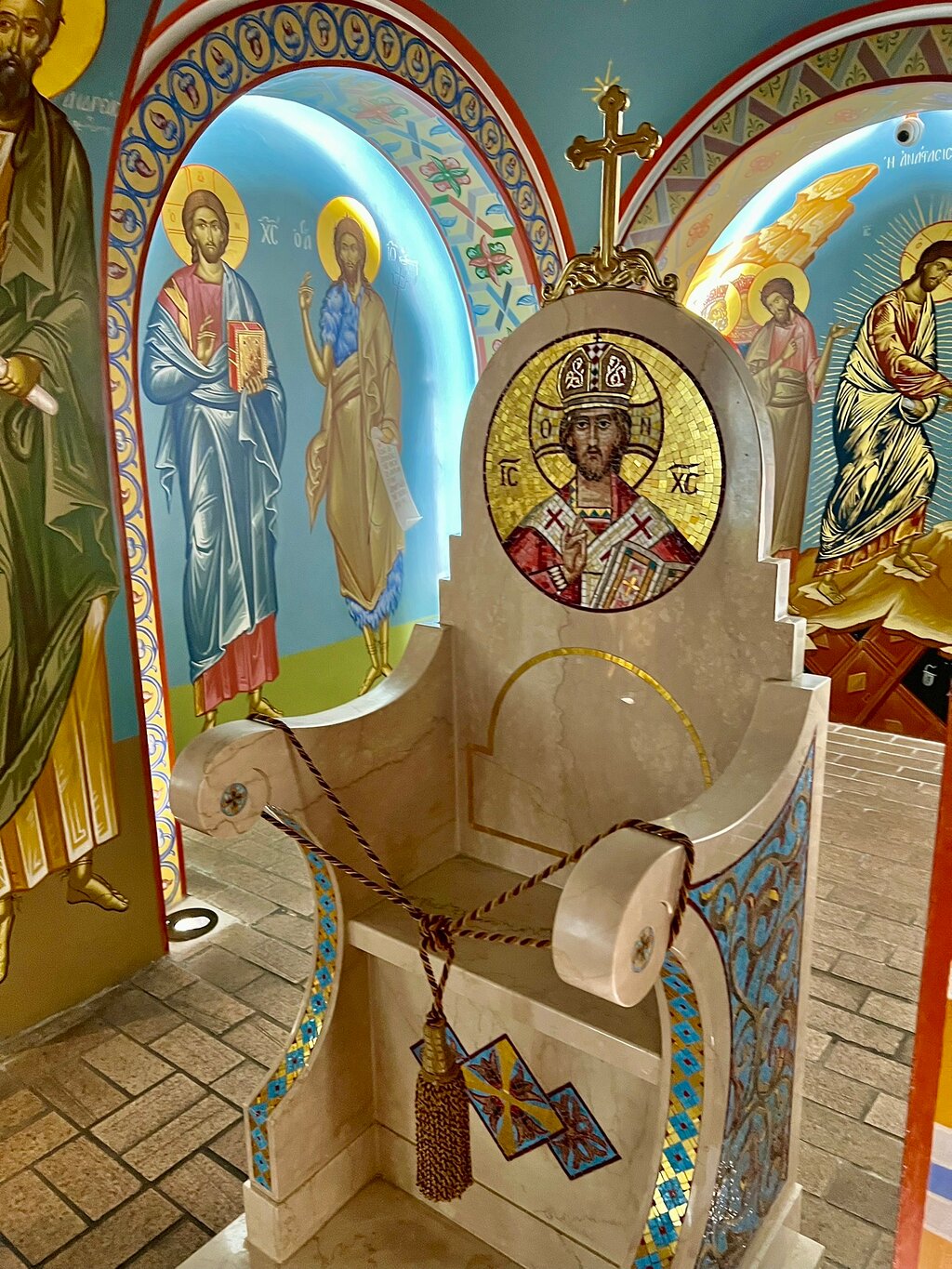
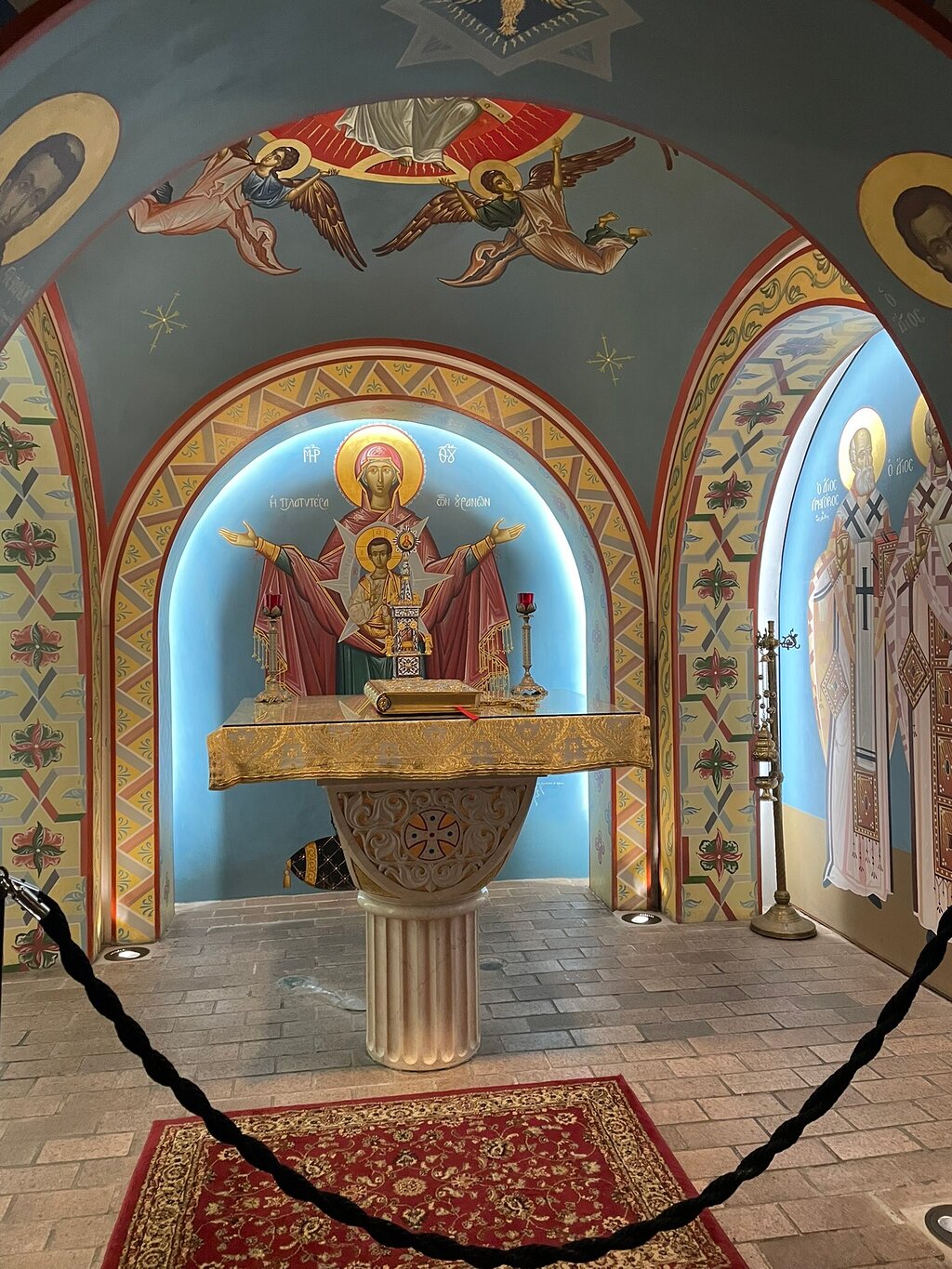
St. Photios Greek Orthodox National Shrine
The St. Photios Greek Orthodox National Shrine, an institution of the Greek Orthodox Archdiocese of America, is dedicated to the first colony of Greek people who came to America in 1768. The Shrine consists of exhibits depicting the life of early Greeks in America and the development of the Greek Orthodox Church in America, and the St. Photios Chapel.
29
Ximenez-Fatio House Museum
Ximenez-Fatio House Museum is one of the best-preserved and most authentic Second Spanish Period residential buildings in St. Augustine, Florida.
30
Spanish Military Hospital Museum
This St. Augustine museum includes exhibits related to medicine in the colonial period and the general history of the Second Spanish Period (1784-1821). The museum is located at the site of a colonial-era hospital that mirrors the history of Florida.
31
Plaza de la Constitucion
The Plaza de la Constitución sits at the center of our historic city. Bordered by the Cathedral Basilica of St. Augustine, Trinity Episcopal, and the Government House, the plaza faces the Bridge of Lions and features a central pavilion used for city events, private events, and live entertainment.
32
Castillo de San Marcos National Monument
As we stroll along the waterfront, we'll discuss the oldest standing masonry fort in the continental United States!
33
Huguenot Cemetery
The Huguenot Cemetery in St. Augustine, Florida located across from the historic City Gate was a Protestant burial ground between the years 1821 and 1884.
34
St. George Street
The backbone of the city, St. George Street in St. Augustine is a thoroughfare, pedestrian-only street lined with restaurants, shops, attractions, and immersed in history.
35
Colonial Quarter
The Colonial Quarter is where visitors can experience hundreds of years of Colonial Spanish and British living history in St. Augustine. This two-acre revamped attraction takes vacationers and locals back in time through three centuries of the formation and creation of the nation's oldest city.
36
St. Photios Greek Orthodox National Shrine
The St. Photios Greek Orthodox National Shrine, an institution of the Greek Orthodox Archdiocese of America, is dedicated to the first colony of Greek people who came to America in 1768. The Shrine consists of exhibits depicting the life of early Greeks in America and the development of the Greek Orthodox Church in America, and the St. Photios Chapel.
37
Ximenez-Fatio House Museum
Ximenez-Fatio House Museum is one of the best-preserved and most authentic Second Spanish Period residential buildings in St. Augustine, Florida.
38
Spanish Military Hospital Museum
This St. Augustine museum includes exhibits related to medicine in the colonial period and the general history of the Second Spanish Period (1784-1821). The museum is located at the site of a colonial-era hospital that mirrors the history of Florida.
39
Plaza de la Constitucion
The Plaza de la Constitución sits at the center of our historic city. Bordered by the Cathedral Basilica of St. Augustine, Trinity Episcopal, and the Government House, the plaza faces the Bridge of Lions and features a central pavilion used for city events, private events, and live entertainment.
40
Castillo de San Marcos National Monument
As we stroll along the waterfront, we'll discuss the oldest standing masonry fort in the continental United States!
41
Huguenot Cemetery
The Huguenot Cemetery in St. Augustine, Florida located across from the historic City Gate was a Protestant burial ground between the years 1821 and 1884.
42
St. George Street
The backbone of the city, St. George Street in St. Augustine is a thoroughfare, pedestrian-only street lined with restaurants, shops, attractions, and immersed in history.
43
Colonial Quarter
The Colonial Quarter is where visitors can experience hundreds of years of Colonial Spanish and British living history in St. Augustine. This two-acre revamped attraction takes vacationers and locals back in time through three centuries of the formation and creation of the nation's oldest city.
44
St. Photios Greek Orthodox National Shrine
The St. Photios Greek Orthodox National Shrine, an institution of the Greek Orthodox Archdiocese of America, is dedicated to the first colony of Greek people who came to America in 1768. The Shrine consists of exhibits depicting the life of early Greeks in America and the development of the Greek Orthodox Church in America, and the St. Photios Chapel.
45
Ximenez-Fatio House Museum
Ximenez-Fatio House Museum is one of the best-preserved and most authentic Second Spanish Period residential buildings in St. Augustine, Florida.
46
Spanish Military Hospital Museum
This St. Augustine museum includes exhibits related to medicine in the colonial period and the general history of the Second Spanish Period (1784-1821). The museum is located at the site of a colonial-era hospital that mirrors the history of Florida.
47
Plaza de la Constitucion
The Plaza de la Constitución sits at the center of our historic city. Bordered by the Cathedral Basilica of St. Augustine, Trinity Episcopal, and the Government House, the plaza faces the Bridge of Lions and features a central pavilion used for city events, private events, and live entertainment.
48
Castillo de San Marcos National Monument
As we stroll along the waterfront, we'll discuss the oldest standing masonry fort in the continental United States!
49
Huguenot Cemetery
The Huguenot Cemetery in St. Augustine, Florida located across from the historic City Gate was a Protestant burial ground between the years 1821 and 1884.
50
St. George Street
The backbone of the city, St. George Street in St. Augustine is a thoroughfare, pedestrian-only street lined with restaurants, shops, attractions, and immersed in history.
51
Colonial Quarter
The Colonial Quarter is where visitors can experience hundreds of years of Colonial Spanish and British living history in St. Augustine. This two-acre revamped attraction takes vacationers and locals back in time through three centuries of the formation and creation of the nation's oldest city.
52
St. Photios Greek Orthodox National Shrine
The St. Photios Greek Orthodox National Shrine, an institution of the Greek Orthodox Archdiocese of America, is dedicated to the first colony of Greek people who came to America in 1768. The Shrine consists of exhibits depicting the life of early Greeks in America and the development of the Greek Orthodox Church in America, and the St. Photios Chapel.
53
Ximenez-Fatio House Museum
Ximenez-Fatio House Museum is one of the best-preserved and most authentic Second Spanish Period residential buildings in St. Augustine, Florida.
54
Spanish Military Hospital Museum
This St. Augustine museum includes exhibits related to medicine in the colonial period and the general history of the Second Spanish Period (1784-1821). The museum is located at the site of a colonial-era hospital that mirrors the history of Florida.
55
Plaza de la Constitucion
The Plaza de la Constitución sits at the center of our historic city. Bordered by the Cathedral Basilica of St. Augustine, Trinity Episcopal, and the Government House, the plaza faces the Bridge of Lions and features a central pavilion used for city events, private events, and live entertainment.
56
Castillo de San Marcos National Monument
As we stroll along the waterfront, we'll discuss the oldest standing masonry fort in the continental United States!
57
Huguenot Cemetery
The Huguenot Cemetery in St. Augustine, Florida located across from the historic City Gate was a Protestant burial ground between the years 1821 and 1884.
58
St. George Street
The backbone of the city, St. George Street in St. Augustine is a thoroughfare, pedestrian-only street lined with restaurants, shops, attractions, and immersed in history.
59
Colonial Quarter
The Colonial Quarter is where visitors can experience hundreds of years of Colonial Spanish and British living history in St. Augustine. This two-acre revamped attraction takes vacationers and locals back in time through three centuries of the formation and creation of the nation's oldest city.
60
St. Photios Greek Orthodox National Shrine
The St. Photios Greek Orthodox National Shrine, an institution of the Greek Orthodox Archdiocese of America, is dedicated to the first colony of Greek people who came to America in 1768. The Shrine consists of exhibits depicting the life of early Greeks in America and the development of the Greek Orthodox Church in America, and the St. Photios Chapel.
61
Ximenez-Fatio House Museum
Ximenez-Fatio House Museum is one of the best-preserved and most authentic Second Spanish Period residential buildings in St. Augustine, Florida.
62
Spanish Military Hospital Museum
This St. Augustine museum includes exhibits related to medicine in the colonial period and the general history of the Second Spanish Period (1784-1821). The museum is located at the site of a colonial-era hospital that mirrors the history of Florida.
63
Plaza de la Constitucion
The Plaza de la Constitución sits at the center of our historic city. Bordered by the Cathedral Basilica of St. Augustine, Trinity Episcopal, and the Government House, the plaza faces the Bridge of Lions and features a central pavilion used for city events, private events, and live entertainment.
64
Castillo de San Marcos National Monument
As we stroll along the waterfront, we'll discuss the oldest standing masonry fort in the continental United States!
65
Huguenot Cemetery
The Huguenot Cemetery in St. Augustine, Florida located across from the historic City Gate was a Protestant burial ground between the years 1821 and 1884.
66
St. George Street
The backbone of the city, St. George Street in St. Augustine is a thoroughfare, pedestrian-only street lined with restaurants, shops, attractions, and immersed in history.
67
Colonial Quarter
The Colonial Quarter is where visitors can experience hundreds of years of Colonial Spanish and British living history in St. Augustine. This two-acre revamped attraction takes vacationers and locals back in time through three centuries of the formation and creation of the nation's oldest city.
68
St. Photios Greek Orthodox National Shrine
The St. Photios Greek Orthodox National Shrine, an institution of the Greek Orthodox Archdiocese of America, is dedicated to the first colony of Greek people who came to America in 1768. The Shrine consists of exhibits depicting the life of early Greeks in America and the development of the Greek Orthodox Church in America, and the St. Photios Chapel.
69
Ximenez-Fatio House Museum
Ximenez-Fatio House Museum is one of the best-preserved and most authentic Second Spanish Period residential buildings in St. Augustine, Florida.
70
Spanish Military Hospital Museum
This St. Augustine museum includes exhibits related to medicine in the colonial period and the general history of the Second Spanish Period (1784-1821). The museum is located at the site of a colonial-era hospital that mirrors the history of Florida.
71
Plaza de la Constitucion
The Plaza de la Constitución sits at the center of our historic city. Bordered by the Cathedral Basilica of St. Augustine, Trinity Episcopal, and the Government House, the plaza faces the Bridge of Lions and features a central pavilion used for city events, private events, and live entertainment.
72
Castillo de San Marcos National Monument
As we stroll along the waterfront, we'll discuss the oldest standing masonry fort in the continental United States!
73
Huguenot Cemetery
The Huguenot Cemetery in St. Augustine, Florida located across from the historic City Gate was a Protestant burial ground between the years 1821 and 1884.
74
St. George Street
The backbone of the city, St. George Street in St. Augustine is a thoroughfare, pedestrian-only street lined with restaurants, shops, attractions, and immersed in history.
75
Colonial Quarter
The Colonial Quarter is where visitors can experience hundreds of years of Colonial Spanish and British living history in St. Augustine. This two-acre revamped attraction takes vacationers and locals back in time through three centuries of the formation and creation of the nation's oldest city.
76
St. Photios Greek Orthodox National Shrine
The St. Photios Greek Orthodox National Shrine, an institution of the Greek Orthodox Archdiocese of America, is dedicated to the first colony of Greek people who came to America in 1768. The Shrine consists of exhibits depicting the life of early Greeks in America and the development of the Greek Orthodox Church in America, and the St. Photios Chapel.
77
Ximenez-Fatio House Museum
Ximenez-Fatio House Museum is one of the best-preserved and most authentic Second Spanish Period residential buildings in St. Augustine, Florida.
78
Spanish Military Hospital Museum
This St. Augustine museum includes exhibits related to medicine in the colonial period and the general history of the Second Spanish Period (1784-1821). The museum is located at the site of a colonial-era hospital that mirrors the history of Florida.
79
Plaza de la Constitucion
The Plaza de la Constitución sits at the center of our historic city. Bordered by the Cathedral Basilica of St. Augustine, Trinity Episcopal, and the Government House, the plaza faces the Bridge of Lions and features a central pavilion used for city events, private events, and live entertainment.
80
Castillo de San Marcos National Monument
As we stroll along the waterfront, we'll discuss the oldest standing masonry fort in the continental United States!
81
Huguenot Cemetery
The Huguenot Cemetery in St. Augustine, Florida located across from the historic City Gate was a Protestant burial ground between the years 1821 and 1884.
82
St. George Street
The backbone of the city, St. George Street in St. Augustine is a thoroughfare, pedestrian-only street lined with restaurants, shops, attractions, and immersed in history.
83
Colonial Quarter
The Colonial Quarter is where visitors can experience hundreds of years of Colonial Spanish and British living history in St. Augustine. This two-acre revamped attraction takes vacationers and locals back in time through three centuries of the formation and creation of the nation's oldest city.
84
St. Photios Greek Orthodox National Shrine
The St. Photios Greek Orthodox National Shrine, an institution of the Greek Orthodox Archdiocese of America, is dedicated to the first colony of Greek people who came to America in 1768. The Shrine consists of exhibits depicting the life of early Greeks in America and the development of the Greek Orthodox Church in America, and the St. Photios Chapel.
85
Ximenez-Fatio House Museum
Ximenez-Fatio House Museum is one of the best-preserved and most authentic Second Spanish Period residential buildings in St. Augustine, Florida.
86
Spanish Military Hospital Museum
This St. Augustine museum includes exhibits related to medicine in the colonial period and the general history of the Second Spanish Period (1784-1821). The museum is located at the site of a colonial-era hospital that mirrors the history of Florida.
87
Plaza de la Constitucion
The Plaza de la Constitución sits at the center of our historic city. Bordered by the Cathedral Basilica of St. Augustine, Trinity Episcopal, and the Government House, the plaza faces the Bridge of Lions and features a central pavilion used for city events, private events, and live entertainment.
88
Castillo de San Marcos National Monument
As we stroll along the waterfront, we'll discuss the oldest standing masonry fort in the continental United States!
89
Huguenot Cemetery
The Huguenot Cemetery in St. Augustine, Florida located across from the historic City Gate was a Protestant burial ground between the years 1821 and 1884.
90
St. George Street
The backbone of the city, St. George Street in St. Augustine is a thoroughfare, pedestrian-only street lined with restaurants, shops, attractions, and immersed in history.
91
Colonial Quarter
The Colonial Quarter is where visitors can experience hundreds of years of Colonial Spanish and British living history in St. Augustine. This two-acre revamped attraction takes vacationers and locals back in time through three centuries of the formation and creation of the nation's oldest city.
92
St. Photios Greek Orthodox National Shrine
The St. Photios Greek Orthodox National Shrine, an institution of the Greek Orthodox Archdiocese of America, is dedicated to the first colony of Greek people who came to America in 1768. The Shrine consists of exhibits depicting the life of early Greeks in America and the development of the Greek Orthodox Church in America, and the St. Photios Chapel.
93
Ximenez-Fatio House Museum
Ximenez-Fatio House Museum is one of the best-preserved and most authentic Second Spanish Period residential buildings in St. Augustine, Florida.
94
Spanish Military Hospital Museum
This St. Augustine museum includes exhibits related to medicine in the colonial period and the general history of the Second Spanish Period (1784-1821). The museum is located at the site of a colonial-era hospital that mirrors the history of Florida.
95
Plaza de la Constitucion
The Plaza de la Constitución sits at the center of our historic city. Bordered by the Cathedral Basilica of St. Augustine, Trinity Episcopal, and the Government House, the plaza faces the Bridge of Lions and features a central pavilion used for city events, private events, and live entertainment.
96
Castillo de San Marcos National Monument
As we stroll along the waterfront, we'll discuss the oldest standing masonry fort in the continental United States!
97
Huguenot Cemetery
The Huguenot Cemetery in St. Augustine, Florida located across from the historic City Gate was a Protestant burial ground between the years 1821 and 1884.
98
St. George Street
The backbone of the city, St. George Street in St. Augustine is a thoroughfare, pedestrian-only street lined with restaurants, shops, attractions, and immersed in history.
99
Colonial Quarter
The Colonial Quarter is where visitors can experience hundreds of years of Colonial Spanish and British living history in St. Augustine. This two-acre revamped attraction takes vacationers and locals back in time through three centuries of the formation and creation of the nation's oldest city.
100
St. Photios Greek Orthodox National Shrine
The St. Photios Greek Orthodox National Shrine, an institution of the Greek Orthodox Archdiocese of America, is dedicated to the first colony of Greek people who came to America in 1768. The Shrine consists of exhibits depicting the life of early Greeks in America and the development of the Greek Orthodox Church in America, and the St. Photios Chapel.
101
Ximenez-Fatio House Museum
Ximenez-Fatio House Museum is one of the best-preserved and most authentic Second Spanish Period residential buildings in St. Augustine, Florida.
102
Spanish Military Hospital Museum
This St. Augustine museum includes exhibits related to medicine in the colonial period and the general history of the Second Spanish Period (1784-1821). The museum is located at the site of a colonial-era hospital that mirrors the history of Florida.
103
Plaza de la Constitucion
The Plaza de la Constitución sits at the center of our historic city. Bordered by the Cathedral Basilica of St. Augustine, Trinity Episcopal, and the Government House, the plaza faces the Bridge of Lions and features a central pavilion used for city events, private events, and live entertainment.
104
Castillo de San Marcos National Monument
As we stroll along the waterfront, we'll discuss the oldest standing masonry fort in the continental United States!
105
Huguenot Cemetery
The Huguenot Cemetery in St. Augustine, Florida located across from the historic City Gate was a Protestant burial ground between the years 1821 and 1884.
106
St. George Street
The backbone of the city, St. George Street in St. Augustine is a thoroughfare, pedestrian-only street lined with restaurants, shops, attractions, and immersed in history.
107
Colonial Quarter
The Colonial Quarter is where visitors can experience hundreds of years of Colonial Spanish and British living history in St. Augustine. This two-acre revamped attraction takes vacationers and locals back in time through three centuries of the formation and creation of the nation's oldest city.
108
St. Photios Greek Orthodox National Shrine
The St. Photios Greek Orthodox National Shrine, an institution of the Greek Orthodox Archdiocese of America, is dedicated to the first colony of Greek people who came to America in 1768. The Shrine consists of exhibits depicting the life of early Greeks in America and the development of the Greek Orthodox Church in America, and the St. Photios Chapel.
Show 105 plus d'arrêts
Politique d'annulation
For a full refund, cancel at least 24 hours before the scheduled departure time.
Photos de voyageurs
Commentaires (134)
Explorer683338
Mar 2025
Great tour by Luc who clearly knows and loves his subjects: history and St. Augustine. Really informative and engaging and full of information and facts you won’t necessarily find in the guide books. Great value and highly recommended.
Dean_E
Mar 2025
Great tour! Russ has so much information on the history as well as fun things to do in St Augustine!
I5899QOlindag
Mar 2025
The tour guide was great! He provided personal experiences along with tips. I would definitely recommend Russ, our tour guide.

Événements connexes

Événements dans le même quartier

Nous pensons que votre langue est English
Dans quelle langue souhaitez-vous voir cette page ?
English English
Nous pensons que votre ville est La ville de New York
Dans quelle ville souhaitez-vous explorer ?
La ville de New York
New York City