Badać
Log in

Montgomery, Selma Area Multi-Attraction Pass

Przegląd
Save and do even more in Montgomery as you explore the city and what’s located nearby with the Montgomery Area Attraction All in One Ticket.This ticket contains 10 ticketed attractions and information on several attractions that are free to the public.

What's Included:
- Alabama State Capitol
- By The River Center For Humanity
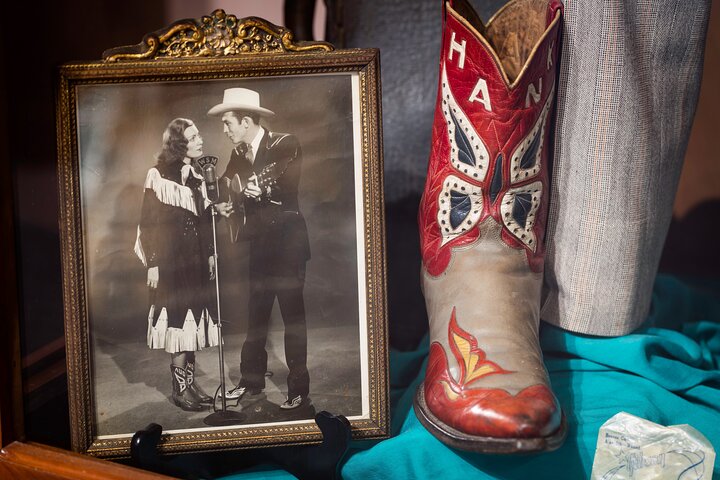
- The Hank Williams Museum
- The Museum Of Alabama
- The Scott And Zelda Fitzgerald Museum
- The Selma-Dallas County Museum Of History & Archives
- Tuskegee History Center
- Whippoorwill Vineyards
- Freedom Rides Museum
- Civil Rights Memorial Center
- Edmund Pettus Bridge
- Historic Davis Theatre Tour
- Montgomery Museum Of Fine Arts
- Montgomery Zoo & Mann Wildlife Learning Museum
- Rosa Parks Museum at Troy University
- Tabernacle Baptist Church
- The Georgine Clarke Alabama Artists Gallery

Miasto: Montgomery'ego
Sat 04 Jul
i
Możesz wybrać datę już na stronie rezerwacyjnej
Zaczynać od $23.00
Sat 04 Jul
Zaczynać od $23.00
Zarezerwuj
co jest zawarte
Wszystkie opłaty i podatki
All Fees and Taxes
All Fees and Taxes
All Fees and Taxes
All Fees and Taxes
All Fees and Taxes
Trasa i mapa
Punkt spotkania
Otwórz w Mapach Google
Montgomery
600 Dexter Ave,
Know Before You Go
1. This is NOT your pass and will not work at any location.
2. If you entered your mobile number during checkout, you will receive a text message with a link to your mobile pass. If you did not, you will receive an email from Bandwango containing a link to your mobile pass.
3. When you arrive at your first attraction, present your mobile pass to redeem your admission at that location. Follow the instructions on the pass when presenting your phone to the attendant. Each pass allows for one admission to each location.
4. Only this mobile pass will be accepted for entry to the participating attractions.
Punkt końcowy
Ta aktywność kończy się z powrotem w miejscu spotkania.
Dodatkowe informacje
  • Wheelchair accessible
  • Infants and small children can ride in a pram or stroller
  • Suitable for all physical fitness levels
Czego oczekiwać
1
Kapitol stanu Alabama
Od 150 lat Kapitol stanu Alabama spogląda na centrum Montgomery ze swojego położenia na wzgórzu. Ten narodowy zabytek historyczny to działające muzeum historii i polityki państwa. Konfederacja rozpoczęła się w sali senatu, kiedy delegaci z południowych stanów głosowali za ustanowieniem nowego państwa w lutym 1861 roku. Nieco ponad sto lat później, wiosną 1965 roku, Marsz z Selmy do Montgomery w sprawie praw wyborczych zakończył się na schodach stolicy. Dr Martin Luther King Jr. wygłosił jedno ze swoich największych przemówień do około 25 000 osób. Kapitol stanu Alabama jest obecnie uznawany za oficjalne miejsce docelowe na Szlaku Praw Obywatelskich Stanów Zjednoczonych wraz z ponad 100 lokalizacjami w 14 stanach.
2
Muzeum Hanka Williamsa
Muzeum Hanka Williamsa w Montgomery to miejsce numer jeden dla fanów muzyki country najsłynniejszego piosenkarza country w historii, Hanka Williamsa. Muzeum to nie tylko przystanek turystyczny, to krok wstecz do życia pierwszej supergwiazdy muzyki country, Hanka Williamsa. Będziesz zachwycony południowym urokiem Muzeum i oczarowany artefaktami, w tym jego Baby Blue Cadillac z 1952 roku. Nigdy nie było i nigdy nie będzie innego Hanka Williamsa. Był Szekspirem zwykłego człowieka i uchwycił w piosence nadzieję, ból i marzenia swojej duszy.
3
Muzeum Pionierów w Alabamie
Muzeum Alabamy, mieszczące się w Departamencie Archiwów i Historii Alabamy, jest stanowym muzeum historii. Muzeum, wyposażone w interaktywne eksponaty o jakości Smithsona, jest jedynym miejscem, w którym można poznać historię Alabamy od prehistorii do współczesności. Wstęp jest zawsze bezpłatny.
4
Muzeum F. Scotta i Zeldy Fitzgeraldów
Jedyne muzeum poświęcone życiu i spuściźnie F. Scotta i Zeldy Fitzgeraldów znajduje się w dawnym domu Fitzgeraldów. Muzeum znajduje się na pierwszym piętrze domu i jest wypełnione artefaktami i wystawionymi tak, aby wyglądały jak z okresu, w którym zajmowali dom. F. Scott napisał już scenariusz do Wielkiego Gatsby'ego i pracował nad powieścią Czuła jest noc, a także jako scenarzysta do Rudowłosej kobiety, filmu Jeana Harlowa, mieszkając w domu. Dowiedz się o życiu tej pary z epoki jazzu, tak ważnej dla literatury amerykańskiej, która odwiedzi ich prawdziwy dom. Muzeum F. Scotta i Zeldy Fitzgeraldów znajduje się w Cloverdale, największej dzielnicy ogrodów w stanie Alabama, zaledwie 5 minut jazdy od centrum Montgomery.
5
Muzeum Starej Zajezdni
Muzeum Old Depot, oficjalnie zarejestrowane jako Muzeum Historii i Archiwów Hrabstwa Selma/Dallas, znajduje się przecznicę dalej od Water Avenue od hotelu St. James, na terenie dawnej odlewni konfederatów. Jest to muzeum interpretacyjne, w którym znajdują się pamiątki po mężczyznach i kobietach, którzy pomogli uczynić Selmę „Królowym miastem Czarnego Pasa”. Obszar ten był miejscem Greater Confederate National Ordinance Works, odlewni wojny secesyjnej działającej od 1860 do 1865 roku, w której produkowano armatę Brooke. Całkowite zniszczenie twierdzy produkcyjnej zajęło Wilson's Raiders kilka dni. Budynek z czerwonej cegły, obity kamieniem w neoromańskim stylu powstał ok. 1890. Budynek jest częścią składową „Water Avenue Historic District” Selmy, która jest wpisana do Krajowego Rejestru Miejsc Historycznych i udokumentowana na wybranych fotografiach w ankiecie Historic American Buildings’ Survey.
6
Muzeum Przejażdżek Wolności
W 1961 roku grupy wolontariuszy przeszły do ​​historii, kwestionując praktykę segregacji podróżujących przez Południe. Nazywali siebie Jeźdźcami Wolności, przekraczając bariery rasowe w zajezdniach i autobusach. Freedom Riders z 1961 roku nie rozpoczęli ani nie zakończyli swojej podróży w Montgomery w Alabamie, ale ich przybycie zmieniło miasto i nasz naród. Muzeum Freedom Rides zostało otwarte w 2011 r. Na historycznym dworcu autobusowym Greyhound, gdzie Freedom Riders przybyli do Montgomery 20 maja 1961 r. Freedom Rides osiągnęło cel, jakim było położenie kresu segregacji rasowej w międzystanowym transporcie publicznym.
7
Centrum Pamięci Praw Obywatelskich
Misją Centrum Pamięci Praw Obywatelskich jest służyć jako instrument edukacji, refleksji i działań na rzecz praw obywatelskich i praw człowieka. W Centrum znajduje się Pomnik Praw Obywatelskich, zaprojektowany przez Mayę Lin w 1989 r., Na pomniku widnieją nazwiska osób, które straciły życie w walce o wolność podczas współczesnego Ruchu Praw Obywatelskich - 1954-1968. Wśród męczenników są aktywiści którzy zostali skazani na śmierć z powodu ich pracy na rzecz praw obywatelskich; przypadkowe ofiary strażników zdeterminowanych, by powstrzymać ruch; oraz osoby, które poświęcając własne życie, wniosły nową świadomość do walki. Oprócz eksponatów poświęconych męczennikom Ruchu Praw Obywatelskich, w Centrum Pamięci znajduje się teatr na 75 miejsc, interaktywna wystawa dzisiejszego działacza oraz sala do zajęć edukacyjnych.
8
Most Edmunda Pettusa
Most Edmunda Pettusa, obecnie narodowy zabytek historyczny, był miejscem brutalnych pobić uczestników marszu praw obywatelskich podczas pierwszej próby marszu Selma-to-Montgomery w celu uzyskania praw wyborczych. Ataki transmitowane przez telewizję były widoczne na całym świecie, co wywołało poparcie społeczne dla działaczy na rzecz praw obywatelskich w Selmie i dla amerykańskiej kampanii na rzecz praw wyborczych. Po Krwawej Niedzieli protestujący podjęli jeszcze jedną próbę, zanim ostatni i trzeci marsz zakończył się sukcesem marszu praw wyborczych z Selmy do Montgomery.
9
Teatr Davisa
Davis Theatre to punkt orientacyjny w centrum Montgomery i jest jednym z niewielu historycznych teatrów, które wciąż stoją na południu. Dowiedz się więcej, od początku teatru jako Movie Palace dla „talkie” i pokazów wodewilowych do jego obecnej działalności przez Troy University jako Performing Arts Theatre. Ta wycieczka zabierze Cię do środka, aby zobaczyć i poznać jego historię. Możesz skontaktować się z nami przed wizytą, ponieważ ta pouczająca „mała wycieczka piesza” nie może być prowadzona podczas występów.
10
Muzeum Sztuk Pięknych Montgomery
Muzeum Sztuk Pięknych Montgomery jest domem dla ponad 4000 dzieł sztuki, składających się głównie z obrazów i rzeźb amerykańskich artystów od XVIII do XXI wieku. W zbiorach Muzeum znajduje się także sztuka regionu południowego, grafika dawnych mistrzów oraz rzemiosło artystyczne. Galeria ArtWorks, popularna wśród osób w każdym wieku, to wciągająca, interaktywna przestrzeń zaprojektowana jako uzupełnienie stałej kolekcji Muzeum o 2- i 3-wymiarowe reprodukcje oraz dzieła sztuki stworzone przez regionalnych artystów. Ogród rzeźb Johna i Joyce'a Caddellów, dodany jesienią 2018 roku, składa się zarówno ze zmieniających się, jak i stałych kolekcji instalacji rzeźbiarskich. Nie ma opłat za wstęp do MMFA, a parking jest bezpłatny. Zaplanuj wizytę wkrótce!
11
Mann Wildlife Learning Museum
Zoo w Montgomery to 40-hektarowy obiekt zoologiczny położony 10 minut od historycznego centrum Montgomery. W zoo znajdują się siedliska z pięciu kontynentów z naturalnymi, pozbawionymi barier eksponatami dla ponad 400 zwierząt. Ciesz się posiłkiem w Overlook Cafe, odwiedź sklep z pamiątkami i wybierz się na przejażdżkę pociągiem po parku, aby uzyskać pełne wrażenia. Dodatkowe przejażdżki i zwierzęta do zobaczenia obejmują Zoofari Skylift, Giraffe Encounter, Petting Zoo i Parakeet Cove. Zoofair Skylift jest dodatkowo płatny podczas jazdy. Zoo dla małych zwierząt (w tej chwili zakaz wstępu z powodu wirusa COVID-19, zwierzęta można oglądać, można je głaskać i karmić z zewnątrz)
12
Biblioteka i muzeum Rosy Parks
Muzeum Rosa Parks jest poświęcone życiu i dziedzictwu Rosy Parks oraz licznych piechurów bojkotu autobusowego Montgomery. W naszym skrzydle dziecięcym znajduje się nasz wehikuł czasu z Cleveland Avenue, który bada ewolucję segregacji „oddzielnej, ale równej”.
13
Kościół Baptystów Tabernakulum
Fundacja non-profit, której celem jest opowiadanie i zachowanie historycznej historii kongregacji kościelnej od 1884 r. do przedstawienia, ze szczególnym naciskiem na wkład i wpływ wyznania baptystów oraz praw wyborczych. Godziny sobota-niedziela tylko po wcześniejszym umówieniu.
14
Alabama State Capitol
For 150 years the Alabama State Capitol has overlooked downtown Montgomery from its hilltop setting. This National Historic Landmark is a working museum of state history and politics. The Confederacy began in the senate chamber when delegates from southern states voted to establish a new nation in February 1861. A little more than a century later in the spring of 1965 the Selma to Montgomery March for voting rights culminated at the capitol steps. Dr. Martin Luther King, Jr. made one of his greatest speeches to an estimated 25,000 people. The Alabama State Capitol is now recognized as an official destination on the U.S. Civil Rights Trail along with more than 100 locations across 14 states.
15
Hank Williams Museum
The Hank Williams Museum in Montgomery is the number one destination for country music fans of the most famous country singer in history, Hank Williams. The Museum is not just a tourist stop, it is a step back into the life of Country Music's first superstar, Hank Williams. You will be captivated by the southern charm of the Museum and spellbound by the artifacts, including his 1952 Baby Blue Cadillac. There has never been, nor shall there ever be, another Hank Williams. He was the Shakespeare of the common man and captured the hope, the pain, and the dreams of his soul in song.
16
Pioneer Museum of Alabama
The Museum of Alabama, located inside the Alabama Department of Archives and History, is the state's history museum. Featuring Smithsonian-quality, interactive exhibits, the Museum is the only destination where you can explore Alabama's story from prehistory to the present. Admission is always free.
17
The F. Scott and Zelda Fitzgerald Museum
The only museum dedicated to the lives and legacies of F. Scott and Zelda Fitzgerald is located in this former home of the Fitzgerald’s . The museum is located on the first floor of the home and is filled with artifacts and staged to look like the time period they occupied the home. F. Scott had already written The Great Gatsby and was working on his novelTender is the Night,as well as a screenwriting job onRed-Headed Woman, a Jean Harlow movie while living in the home. Learn about the lives of this Jazz Age couple so important to American literature will visiting their actual home. The F. Scott and Zelda Fitzgerald Museum located in Cloverdale the largest garden-landscaped neighborhood in the state of Alabama and only a 5-minute drive from downtown Montgomery.
18
Old Depot Museum
Old Depot Museum, officially registered as the Selma/Dallas County Museum of History and Archives, is located a block down Water Avenue from the St. James Hotel on the grounds of the former confederate Foundry area. It is an interpretive museum that houses mementos of the men and women who helped make Selma the “Queen city of the Black Belt.” This area was the site of the Greater Confederate National Ordinance Works, the Civil War foundry in operation from 1860 until 1865, where the Brooke Cannon was manufactured. It took Wilson’s Raiders several days to totally destroy the manufacturing stronghold. The red brick, stone trimmed building in the Romanesque Revival style was built ca. 1890. The building is a contributing property to Selma’s “Water Avenue Historic District” that is listed on the National Register of Historic Places and documented in select photographs in the Historic American Buildings’ Survey.
19
Freedom Rides Museum
In 1961 groups of volunteers made history by challenging the practice of segregated travel through the South. They called themselves Freedom Riders as they crossed racial barriers in depots and onboard buses. The 1961 Freedom Riders did not begin or end their journey in Montgomery, Alabama, but their arrival changed the city and our nation. The Freedom Rides Museum opened in 2011 in the historic Greyhound Bus Station where Freedom Riders arrived in Montgomery on May 20, 1961. The Freedom Rides accomplished the goal of ending racial segregation in interstate public transportation.
20
Civil Rights Memorial Center
The Civil Rights Memorial Center’s mission is to serve as an instrument for education, reflection, and action for civil and human rights. The Center is home to the Civil Rights Memorial, designed by Maya Lin in 1989, inscribed on the memorial are the names of individuals who lost their lives in the struggle for freedom during the modern Civil Rights Movement - 1954 to 1968. The martyrs include activists who were targeted for death because of their civil rights work; random victims of vigilantes determined to halt the movement; and individuals who, in the sacrifice of their own lives, brought new awareness to the struggle. In addition to exhibits about Civil Rights Movement martyrs, the Memorial Center houses a 75-seat theater, an interactive exhibit of today's activist and a classroom for educational activities.
21
Edmund Pettus Bridge
The Edmund Pettus Bridge, now a National Historic Landmark, was the site of the brutal BloodySunday beatings of civil rights marchers during the first attempt of a Selma-to-Montgomery march for voting rights. The televised attacks were seen all over the world, prompting public support for the civil rights activists in Selma and for the American voting rights campaign. After Bloody Sunday, protestors attempted once more before a final and third march resulted the successful Selma-to-Montgomery Voting Rights March.
22
The Davis Theatre
The Davis Theatre is a downtown Montgomery landmark and is one of only a handful of historictheatres still standing across the South. Learn more the theatre’s start as a as a Movie Palace for “talkies” and Vaudeville shows to its current operation by Troy University as a Performing Arts Theatre. This tour will take you inside to see and learn about its history. You may want to contact us ahead of your visit as this informative “small walking tour” cannot be conducted while performances are being held.
23
Montgomery Museum of Fine Arts
The Montgomery Museum of Fine Arts is home to over 4,000 works of art, consisting primarily of paintings and sculpture by American artists from the 18th to the 21st century. The Museum’s collection also includes Southern regional art, Old Master prints and decorative arts. The ArtWorks Gallery, popular with all ages, is an engaging, interactive space designed to complement the Museum’s permanent collection with 2-and-3-dimensional reproductions and art created by regional artists. The John and Joyce Caddell Sculpture Garden, added in the fall of 2018, consists of both changing and permanent collection sculptural installations. There is no charge for admission to the MMFA and parking is free. Make plans to visit soon!
24
Mann Wildlife Learning Museum
The Montgomery Zoo is a 40-acre Zoological facility located 10 minutes from historic downtown Montgomery. The zoo features habitats from five continents with natural, barrier-free exhibits for 400+ animals. Enjoy dining at the Overlook Cafe, visit the gift shop and take a train ride around the park to get the complete experience. Additional rides and viewable animals include the Zoofari Skylift , Giraffe Encounter, Petting Zoo, and Parakeet Cove. Zoofair Skylift is an additional charge at the ride. Petting Zoo (no entry at this time due to COVID-19 virus, animals viewable and can be petted and fed from outside enclosure)
25
Rosa Parks Library and Museum
The Rosa Parks Museum is dedicated to the life and legacy of Rosa Parks and the numerous foot soldiers of the Montgomery Bus Boycott. Our Children's Wing houses our Cleveland Avenue Time Machine, which explores the evolution of "separate but equal" segregation.
26
Tabernacle Baptist Church
Non-profit foundation to tell and preserve historic story of church congregation from 1884 to present with special emphasis on Baptist denomination and voting rights contributions and influence. Hours Sat-Sunday are by appointment only..
27
Alabama State Capitol
For 150 years the Alabama State Capitol has overlooked downtown Montgomery from its hilltop setting. This National Historic Landmark is a working museum of state history and politics. The Confederacy began in the senate chamber when delegates from southern states voted to establish a new nation in February 1861. A little more than a century later in the spring of 1965 the Selma to Montgomery March for voting rights culminated at the capitol steps. Dr. Martin Luther King, Jr. made one of his greatest speeches to an estimated 25,000 people. The Alabama State Capitol is now recognized as an official destination on the U.S. Civil Rights Trail along with more than 100 locations across 14 states.
28
Hank Williams Museum
The Hank Williams Museum in Montgomery is the number one destination for country music fans of the most famous country singer in history, Hank Williams. The Museum is not just a tourist stop, it is a step back into the life of Country Music's first superstar, Hank Williams. You will be captivated by the southern charm of the Museum and spellbound by the artifacts, including his 1952 Baby Blue Cadillac. There has never been, nor shall there ever be, another Hank Williams. He was the Shakespeare of the common man and captured the hope, the pain, and the dreams of his soul in song.
29
Pioneer Museum of Alabama
The Museum of Alabama, located inside the Alabama Department of Archives and History, is the state's history museum. Featuring Smithsonian-quality, interactive exhibits, the Museum is the only destination where you can explore Alabama's story from prehistory to the present. Admission is always free.
30
The F. Scott and Zelda Fitzgerald Museum
The only museum dedicated to the lives and legacies of F. Scott and Zelda Fitzgerald is located in this former home of the Fitzgerald’s . The museum is located on the first floor of the home and is filled with artifacts and staged to look like the time period they occupied the home. F. Scott had already written The Great Gatsby and was working on his novelTender is the Night,as well as a screenwriting job onRed-Headed Woman, a Jean Harlow movie while living in the home. Learn about the lives of this Jazz Age couple so important to American literature will visiting their actual home. The F. Scott and Zelda Fitzgerald Museum located in Cloverdale the largest garden-landscaped neighborhood in the state of Alabama and only a 5-minute drive from downtown Montgomery.
31
Old Depot Museum
Old Depot Museum, officially registered as the Selma/Dallas County Museum of History and Archives, is located a block down Water Avenue from the St. James Hotel on the grounds of the former confederate Foundry area. It is an interpretive museum that houses mementos of the men and women who helped make Selma the “Queen city of the Black Belt.” This area was the site of the Greater Confederate National Ordinance Works, the Civil War foundry in operation from 1860 until 1865, where the Brooke Cannon was manufactured. It took Wilson’s Raiders several days to totally destroy the manufacturing stronghold. The red brick, stone trimmed building in the Romanesque Revival style was built ca. 1890. The building is a contributing property to Selma’s “Water Avenue Historic District” that is listed on the National Register of Historic Places and documented in select photographs in the Historic American Buildings’ Survey.
32
Freedom Rides Museum
In 1961 groups of volunteers made history by challenging the practice of segregated travel through the South. They called themselves Freedom Riders as they crossed racial barriers in depots and onboard buses. The 1961 Freedom Riders did not begin or end their journey in Montgomery, Alabama, but their arrival changed the city and our nation. The Freedom Rides Museum opened in 2011 in the historic Greyhound Bus Station where Freedom Riders arrived in Montgomery on May 20, 1961. The Freedom Rides accomplished the goal of ending racial segregation in interstate public transportation.
33
Civil Rights Memorial Center
The Civil Rights Memorial Center’s mission is to serve as an instrument for education, reflection, and action for civil and human rights. The Center is home to the Civil Rights Memorial, designed by Maya Lin in 1989, inscribed on the memorial are the names of individuals who lost their lives in the struggle for freedom during the modern Civil Rights Movement - 1954 to 1968. The martyrs include activists who were targeted for death because of their civil rights work; random victims of vigilantes determined to halt the movement; and individuals who, in the sacrifice of their own lives, brought new awareness to the struggle. In addition to exhibits about Civil Rights Movement martyrs, the Memorial Center houses a 75-seat theater, an interactive exhibit of today's activist and a classroom for educational activities.
34
Edmund Pettus Bridge
The Edmund Pettus Bridge, now a National Historic Landmark, was the site of the brutal BloodySunday beatings of civil rights marchers during the first attempt of a Selma-to-Montgomery march for voting rights. The televised attacks were seen all over the world, prompting public support for the civil rights activists in Selma and for the American voting rights campaign. After Bloody Sunday, protestors attempted once more before a final and third march resulted the successful Selma-to-Montgomery Voting Rights March.
35
The Davis Theatre
The Davis Theatre is a downtown Montgomery landmark and is one of only a handful of historictheatres still standing across the South. Learn more the theatre’s start as a as a Movie Palace for “talkies” and Vaudeville shows to its current operation by Troy University as a Performing Arts Theatre. This tour will take you inside to see and learn about its history. You may want to contact us ahead of your visit as this informative “small walking tour” cannot be conducted while performances are being held.
36
Montgomery Museum of Fine Arts
The Montgomery Museum of Fine Arts is home to over 4,000 works of art, consisting primarily of paintings and sculpture by American artists from the 18th to the 21st century. The Museum’s collection also includes Southern regional art, Old Master prints and decorative arts. The ArtWorks Gallery, popular with all ages, is an engaging, interactive space designed to complement the Museum’s permanent collection with 2-and-3-dimensional reproductions and art created by regional artists. The John and Joyce Caddell Sculpture Garden, added in the fall of 2018, consists of both changing and permanent collection sculptural installations. There is no charge for admission to the MMFA and parking is free. Make plans to visit soon!
37
Mann Wildlife Learning Museum
The Montgomery Zoo is a 40-acre Zoological facility located 10 minutes from historic downtown Montgomery. The zoo features habitats from five continents with natural, barrier-free exhibits for 400+ animals. Enjoy dining at the Overlook Cafe, visit the gift shop and take a train ride around the park to get the complete experience. Additional rides and viewable animals include the Zoofari Skylift , Giraffe Encounter, Petting Zoo, and Parakeet Cove. Zoofair Skylift is an additional charge at the ride. Petting Zoo (no entry at this time due to COVID-19 virus, animals viewable and can be petted and fed from outside enclosure)
38
Rosa Parks Library and Museum
The Rosa Parks Museum is dedicated to the life and legacy of Rosa Parks and the numerous foot soldiers of the Montgomery Bus Boycott. Our Children's Wing houses our Cleveland Avenue Time Machine, which explores the evolution of "separate but equal" segregation.
39
Tabernacle Baptist Church
Non-profit foundation to tell and preserve historic story of church congregation from 1884 to present with special emphasis on Baptist denomination and voting rights contributions and influence. Hours Sat-Sunday are by appointment only..
40
Alabama State Capitol
For 150 years the Alabama State Capitol has overlooked downtown Montgomery from its hilltop setting. This National Historic Landmark is a working museum of state history and politics. The Confederacy began in the senate chamber when delegates from southern states voted to establish a new nation in February 1861. A little more than a century later in the spring of 1965 the Selma to Montgomery March for voting rights culminated at the capitol steps. Dr. Martin Luther King, Jr. made one of his greatest speeches to an estimated 25,000 people. The Alabama State Capitol is now recognized as an official destination on the U.S. Civil Rights Trail along with more than 100 locations across 14 states.
41
Hank Williams Museum
The Hank Williams Museum in Montgomery is the number one destination for country music fans of the most famous country singer in history, Hank Williams. The Museum is not just a tourist stop, it is a step back into the life of Country Music's first superstar, Hank Williams. You will be captivated by the southern charm of the Museum and spellbound by the artifacts, including his 1952 Baby Blue Cadillac. There has never been, nor shall there ever be, another Hank Williams. He was the Shakespeare of the common man and captured the hope, the pain, and the dreams of his soul in song.
42
Pioneer Museum of Alabama
The Museum of Alabama, located inside the Alabama Department of Archives and History, is the state's history museum. Featuring Smithsonian-quality, interactive exhibits, the Museum is the only destination where you can explore Alabama's story from prehistory to the present. Admission is always free.
43
The F. Scott and Zelda Fitzgerald Museum
The only museum dedicated to the lives and legacies of F. Scott and Zelda Fitzgerald is located in this former home of the Fitzgerald’s . The museum is located on the first floor of the home and is filled with artifacts and staged to look like the time period they occupied the home. F. Scott had already written The Great Gatsby and was working on his novelTender is the Night,as well as a screenwriting job onRed-Headed Woman, a Jean Harlow movie while living in the home. Learn about the lives of this Jazz Age couple so important to American literature will visiting their actual home. The F. Scott and Zelda Fitzgerald Museum located in Cloverdale the largest garden-landscaped neighborhood in the state of Alabama and only a 5-minute drive from downtown Montgomery.
44
Old Depot Museum
Old Depot Museum, officially registered as the Selma/Dallas County Museum of History and Archives, is located a block down Water Avenue from the St. James Hotel on the grounds of the former confederate Foundry area. It is an interpretive museum that houses mementos of the men and women who helped make Selma the “Queen city of the Black Belt.” This area was the site of the Greater Confederate National Ordinance Works, the Civil War foundry in operation from 1860 until 1865, where the Brooke Cannon was manufactured. It took Wilson’s Raiders several days to totally destroy the manufacturing stronghold. The red brick, stone trimmed building in the Romanesque Revival style was built ca. 1890. The building is a contributing property to Selma’s “Water Avenue Historic District” that is listed on the National Register of Historic Places and documented in select photographs in the Historic American Buildings’ Survey.
45
Freedom Rides Museum
In 1961 groups of volunteers made history by challenging the practice of segregated travel through the South. They called themselves Freedom Riders as they crossed racial barriers in depots and onboard buses. The 1961 Freedom Riders did not begin or end their journey in Montgomery, Alabama, but their arrival changed the city and our nation. The Freedom Rides Museum opened in 2011 in the historic Greyhound Bus Station where Freedom Riders arrived in Montgomery on May 20, 1961. The Freedom Rides accomplished the goal of ending racial segregation in interstate public transportation.
46
Civil Rights Memorial Center
The Civil Rights Memorial Center’s mission is to serve as an instrument for education, reflection, and action for civil and human rights. The Center is home to the Civil Rights Memorial, designed by Maya Lin in 1989, inscribed on the memorial are the names of individuals who lost their lives in the struggle for freedom during the modern Civil Rights Movement - 1954 to 1968. The martyrs include activists who were targeted for death because of their civil rights work; random victims of vigilantes determined to halt the movement; and individuals who, in the sacrifice of their own lives, brought new awareness to the struggle. In addition to exhibits about Civil Rights Movement martyrs, the Memorial Center houses a 75-seat theater, an interactive exhibit of today's activist and a classroom for educational activities.
47
Edmund Pettus Bridge
The Edmund Pettus Bridge, now a National Historic Landmark, was the site of the brutal BloodySunday beatings of civil rights marchers during the first attempt of a Selma-to-Montgomery march for voting rights. The televised attacks were seen all over the world, prompting public support for the civil rights activists in Selma and for the American voting rights campaign. After Bloody Sunday, protestors attempted once more before a final and third march resulted the successful Selma-to-Montgomery Voting Rights March.
48
The Davis Theatre
The Davis Theatre is a downtown Montgomery landmark and is one of only a handful of historictheatres still standing across the South. Learn more the theatre’s start as a as a Movie Palace for “talkies” and Vaudeville shows to its current operation by Troy University as a Performing Arts Theatre. This tour will take you inside to see and learn about its history. You may want to contact us ahead of your visit as this informative “small walking tour” cannot be conducted while performances are being held.
49
Montgomery Museum of Fine Arts
The Montgomery Museum of Fine Arts is home to over 4,000 works of art, consisting primarily of paintings and sculpture by American artists from the 18th to the 21st century. The Museum’s collection also includes Southern regional art, Old Master prints and decorative arts. The ArtWorks Gallery, popular with all ages, is an engaging, interactive space designed to complement the Museum’s permanent collection with 2-and-3-dimensional reproductions and art created by regional artists. The John and Joyce Caddell Sculpture Garden, added in the fall of 2018, consists of both changing and permanent collection sculptural installations. There is no charge for admission to the MMFA and parking is free. Make plans to visit soon!
50
Mann Wildlife Learning Museum
The Montgomery Zoo is a 40-acre Zoological facility located 10 minutes from historic downtown Montgomery. The zoo features habitats from five continents with natural, barrier-free exhibits for 400+ animals. Enjoy dining at the Overlook Cafe, visit the gift shop and take a train ride around the park to get the complete experience. Additional rides and viewable animals include the Zoofari Skylift , Giraffe Encounter, Petting Zoo, and Parakeet Cove. Zoofair Skylift is an additional charge at the ride. Petting Zoo (no entry at this time due to COVID-19 virus, animals viewable and can be petted and fed from outside enclosure)
51
Rosa Parks Library and Museum
The Rosa Parks Museum is dedicated to the life and legacy of Rosa Parks and the numerous foot soldiers of the Montgomery Bus Boycott. Our Children's Wing houses our Cleveland Avenue Time Machine, which explores the evolution of "separate but equal" segregation.
52
Tabernacle Baptist Church
Non-profit foundation to tell and preserve historic story of church congregation from 1884 to present with special emphasis on Baptist denomination and voting rights contributions and influence. Hours Sat-Sunday are by appointment only..
53
Alabama State Capitol
For 150 years the Alabama State Capitol has overlooked downtown Montgomery from its hilltop setting. This National Historic Landmark is a working museum of state history and politics. The Confederacy began in the senate chamber when delegates from southern states voted to establish a new nation in February 1861. A little more than a century later in the spring of 1965 the Selma to Montgomery March for voting rights culminated at the capitol steps. Dr. Martin Luther King, Jr. made one of his greatest speeches to an estimated 25,000 people. The Alabama State Capitol is now recognized as an official destination on the U.S. Civil Rights Trail along with more than 100 locations across 14 states.
54
Hank Williams Museum
The Hank Williams Museum in Montgomery is the number one destination for country music fans of the most famous country singer in history, Hank Williams. The Museum is not just a tourist stop, it is a step back into the life of Country Music's first superstar, Hank Williams. You will be captivated by the southern charm of the Museum and spellbound by the artifacts, including his 1952 Baby Blue Cadillac. There has never been, nor shall there ever be, another Hank Williams. He was the Shakespeare of the common man and captured the hope, the pain, and the dreams of his soul in song.
55
Pioneer Museum of Alabama
The Museum of Alabama, located inside the Alabama Department of Archives and History, is the state's history museum. Featuring Smithsonian-quality, interactive exhibits, the Museum is the only destination where you can explore Alabama's story from prehistory to the present. Admission is always free.
56
The F. Scott and Zelda Fitzgerald Museum
The only museum dedicated to the lives and legacies of F. Scott and Zelda Fitzgerald is located in this former home of the Fitzgerald’s . The museum is located on the first floor of the home and is filled with artifacts and staged to look like the time period they occupied the home. F. Scott had already written The Great Gatsby and was working on his novelTender is the Night,as well as a screenwriting job onRed-Headed Woman, a Jean Harlow movie while living in the home. Learn about the lives of this Jazz Age couple so important to American literature will visiting their actual home. The F. Scott and Zelda Fitzgerald Museum located in Cloverdale the largest garden-landscaped neighborhood in the state of Alabama and only a 5-minute drive from downtown Montgomery.
57
Old Depot Museum
Old Depot Museum, officially registered as the Selma/Dallas County Museum of History and Archives, is located a block down Water Avenue from the St. James Hotel on the grounds of the former confederate Foundry area. It is an interpretive museum that houses mementos of the men and women who helped make Selma the “Queen city of the Black Belt.” This area was the site of the Greater Confederate National Ordinance Works, the Civil War foundry in operation from 1860 until 1865, where the Brooke Cannon was manufactured. It took Wilson’s Raiders several days to totally destroy the manufacturing stronghold. The red brick, stone trimmed building in the Romanesque Revival style was built ca. 1890. The building is a contributing property to Selma’s “Water Avenue Historic District” that is listed on the National Register of Historic Places and documented in select photographs in the Historic American Buildings’ Survey.
58
Freedom Rides Museum
In 1961 groups of volunteers made history by challenging the practice of segregated travel through the South. They called themselves Freedom Riders as they crossed racial barriers in depots and onboard buses. The 1961 Freedom Riders did not begin or end their journey in Montgomery, Alabama, but their arrival changed the city and our nation. The Freedom Rides Museum opened in 2011 in the historic Greyhound Bus Station where Freedom Riders arrived in Montgomery on May 20, 1961. The Freedom Rides accomplished the goal of ending racial segregation in interstate public transportation.
59
Civil Rights Memorial Center
The Civil Rights Memorial Center’s mission is to serve as an instrument for education, reflection, and action for civil and human rights. The Center is home to the Civil Rights Memorial, designed by Maya Lin in 1989, inscribed on the memorial are the names of individuals who lost their lives in the struggle for freedom during the modern Civil Rights Movement - 1954 to 1968. The martyrs include activists who were targeted for death because of their civil rights work; random victims of vigilantes determined to halt the movement; and individuals who, in the sacrifice of their own lives, brought new awareness to the struggle. In addition to exhibits about Civil Rights Movement martyrs, the Memorial Center houses a 75-seat theater, an interactive exhibit of today's activist and a classroom for educational activities.
60
Edmund Pettus Bridge
The Edmund Pettus Bridge, now a National Historic Landmark, was the site of the brutal BloodySunday beatings of civil rights marchers during the first attempt of a Selma-to-Montgomery march for voting rights. The televised attacks were seen all over the world, prompting public support for the civil rights activists in Selma and for the American voting rights campaign. After Bloody Sunday, protestors attempted once more before a final and third march resulted the successful Selma-to-Montgomery Voting Rights March.
61
The Davis Theatre
The Davis Theatre is a downtown Montgomery landmark and is one of only a handful of historictheatres still standing across the South. Learn more the theatre’s start as a as a Movie Palace for “talkies” and Vaudeville shows to its current operation by Troy University as a Performing Arts Theatre. This tour will take you inside to see and learn about its history. You may want to contact us ahead of your visit as this informative “small walking tour” cannot be conducted while performances are being held.
62
Montgomery Museum of Fine Arts
The Montgomery Museum of Fine Arts is home to over 4,000 works of art, consisting primarily of paintings and sculpture by American artists from the 18th to the 21st century. The Museum’s collection also includes Southern regional art, Old Master prints and decorative arts. The ArtWorks Gallery, popular with all ages, is an engaging, interactive space designed to complement the Museum’s permanent collection with 2-and-3-dimensional reproductions and art created by regional artists. The John and Joyce Caddell Sculpture Garden, added in the fall of 2018, consists of both changing and permanent collection sculptural installations. There is no charge for admission to the MMFA and parking is free. Make plans to visit soon!
63
Mann Wildlife Learning Museum
The Montgomery Zoo is a 40-acre Zoological facility located 10 minutes from historic downtown Montgomery. The zoo features habitats from five continents with natural, barrier-free exhibits for 400+ animals. Enjoy dining at the Overlook Cafe, visit the gift shop and take a train ride around the park to get the complete experience. Additional rides and viewable animals include the Zoofari Skylift , Giraffe Encounter, Petting Zoo, and Parakeet Cove. Zoofair Skylift is an additional charge at the ride. Petting Zoo (no entry at this time due to COVID-19 virus, animals viewable and can be petted and fed from outside enclosure)
64
Rosa Parks Library and Museum
The Rosa Parks Museum is dedicated to the life and legacy of Rosa Parks and the numerous foot soldiers of the Montgomery Bus Boycott. Our Children's Wing houses our Cleveland Avenue Time Machine, which explores the evolution of "separate but equal" segregation.
65
Tabernacle Baptist Church
Non-profit foundation to tell and preserve historic story of church congregation from 1884 to present with special emphasis on Baptist denomination and voting rights contributions and influence. Hours Sat-Sunday are by appointment only..
66
Alabama State Capitol
For 150 years the Alabama State Capitol has overlooked downtown Montgomery from its hilltop setting. This National Historic Landmark is a working museum of state history and politics. The Confederacy began in the senate chamber when delegates from southern states voted to establish a new nation in February 1861. A little more than a century later in the spring of 1965 the Selma to Montgomery March for voting rights culminated at the capitol steps. Dr. Martin Luther King, Jr. made one of his greatest speeches to an estimated 25,000 people. The Alabama State Capitol is now recognized as an official destination on the U.S. Civil Rights Trail along with more than 100 locations across 14 states.
67
Hank Williams Museum
The Hank Williams Museum in Montgomery is the number one destination for country music fans of the most famous country singer in history, Hank Williams. The Museum is not just a tourist stop, it is a step back into the life of Country Music's first superstar, Hank Williams. You will be captivated by the southern charm of the Museum and spellbound by the artifacts, including his 1952 Baby Blue Cadillac. There has never been, nor shall there ever be, another Hank Williams. He was the Shakespeare of the common man and captured the hope, the pain, and the dreams of his soul in song.
68
Pioneer Museum of Alabama
The Museum of Alabama, located inside the Alabama Department of Archives and History, is the state's history museum. Featuring Smithsonian-quality, interactive exhibits, the Museum is the only destination where you can explore Alabama's story from prehistory to the present. Admission is always free.
69
The F. Scott and Zelda Fitzgerald Museum
The only museum dedicated to the lives and legacies of F. Scott and Zelda Fitzgerald is located in this former home of the Fitzgerald’s . The museum is located on the first floor of the home and is filled with artifacts and staged to look like the time period they occupied the home. F. Scott had already written The Great Gatsby and was working on his novelTender is the Night,as well as a screenwriting job onRed-Headed Woman, a Jean Harlow movie while living in the home. Learn about the lives of this Jazz Age couple so important to American literature will visiting their actual home. The F. Scott and Zelda Fitzgerald Museum located in Cloverdale the largest garden-landscaped neighborhood in the state of Alabama and only a 5-minute drive from downtown Montgomery.
70
Old Depot Museum
Old Depot Museum, officially registered as the Selma/Dallas County Museum of History and Archives, is located a block down Water Avenue from the St. James Hotel on the grounds of the former confederate Foundry area. It is an interpretive museum that houses mementos of the men and women who helped make Selma the “Queen city of the Black Belt.” This area was the site of the Greater Confederate National Ordinance Works, the Civil War foundry in operation from 1860 until 1865, where the Brooke Cannon was manufactured. It took Wilson’s Raiders several days to totally destroy the manufacturing stronghold. The red brick, stone trimmed building in the Romanesque Revival style was built ca. 1890. The building is a contributing property to Selma’s “Water Avenue Historic District” that is listed on the National Register of Historic Places and documented in select photographs in the Historic American Buildings’ Survey.
71
Freedom Rides Museum
In 1961 groups of volunteers made history by challenging the practice of segregated travel through the South. They called themselves Freedom Riders as they crossed racial barriers in depots and onboard buses. The 1961 Freedom Riders did not begin or end their journey in Montgomery, Alabama, but their arrival changed the city and our nation. The Freedom Rides Museum opened in 2011 in the historic Greyhound Bus Station where Freedom Riders arrived in Montgomery on May 20, 1961. The Freedom Rides accomplished the goal of ending racial segregation in interstate public transportation.
72
Civil Rights Memorial Center
The Civil Rights Memorial Center’s mission is to serve as an instrument for education, reflection, and action for civil and human rights. The Center is home to the Civil Rights Memorial, designed by Maya Lin in 1989, inscribed on the memorial are the names of individuals who lost their lives in the struggle for freedom during the modern Civil Rights Movement - 1954 to 1968. The martyrs include activists who were targeted for death because of their civil rights work; random victims of vigilantes determined to halt the movement; and individuals who, in the sacrifice of their own lives, brought new awareness to the struggle. In addition to exhibits about Civil Rights Movement martyrs, the Memorial Center houses a 75-seat theater, an interactive exhibit of today's activist and a classroom for educational activities.
73
Edmund Pettus Bridge
The Edmund Pettus Bridge, now a National Historic Landmark, was the site of the brutal BloodySunday beatings of civil rights marchers during the first attempt of a Selma-to-Montgomery march for voting rights. The televised attacks were seen all over the world, prompting public support for the civil rights activists in Selma and for the American voting rights campaign. After Bloody Sunday, protestors attempted once more before a final and third march resulted the successful Selma-to-Montgomery Voting Rights March.
74
The Davis Theatre
The Davis Theatre is a downtown Montgomery landmark and is one of only a handful of historictheatres still standing across the South. Learn more the theatre’s start as a as a Movie Palace for “talkies” and Vaudeville shows to its current operation by Troy University as a Performing Arts Theatre. This tour will take you inside to see and learn about its history. You may want to contact us ahead of your visit as this informative “small walking tour” cannot be conducted while performances are being held.
75
Montgomery Museum of Fine Arts
The Montgomery Museum of Fine Arts is home to over 4,000 works of art, consisting primarily of paintings and sculpture by American artists from the 18th to the 21st century. The Museum’s collection also includes Southern regional art, Old Master prints and decorative arts. The ArtWorks Gallery, popular with all ages, is an engaging, interactive space designed to complement the Museum’s permanent collection with 2-and-3-dimensional reproductions and art created by regional artists. The John and Joyce Caddell Sculpture Garden, added in the fall of 2018, consists of both changing and permanent collection sculptural installations. There is no charge for admission to the MMFA and parking is free. Make plans to visit soon!
76
Mann Wildlife Learning Museum
The Montgomery Zoo is a 40-acre Zoological facility located 10 minutes from historic downtown Montgomery. The zoo features habitats from five continents with natural, barrier-free exhibits for 400+ animals. Enjoy dining at the Overlook Cafe, visit the gift shop and take a train ride around the park to get the complete experience. Additional rides and viewable animals include the Zoofari Skylift , Giraffe Encounter, Petting Zoo, and Parakeet Cove. Zoofair Skylift is an additional charge at the ride. Petting Zoo (no entry at this time due to COVID-19 virus, animals viewable and can be petted and fed from outside enclosure)
77
Rosa Parks Library and Museum
The Rosa Parks Museum is dedicated to the life and legacy of Rosa Parks and the numerous foot soldiers of the Montgomery Bus Boycott. Our Children's Wing houses our Cleveland Avenue Time Machine, which explores the evolution of "separate but equal" segregation.
78
Tabernacle Baptist Church
Non-profit foundation to tell and preserve historic story of church congregation from 1884 to present with special emphasis on Baptist denomination and voting rights contributions and influence. Hours Sat-Sunday are by appointment only..
Show 75 więcej przystanków
Zasady anulowania
For a full refund, cancel at least 24 hours before the scheduled departure time.
Recenzje (2)
Otwórz w Mapach Google
Gloria_S
Apr 2024
Family enjoyed the zoo and Rosa Parks center was awesome. We did about 4 events total from the pass and it was worth it.
Mrspixie1646
Aug 2022
Booked tour via Viator.. You are paying for the convenience of having all the ‘attraction’ tickets in one spot. Most of the ‘tickets’ are to free attractions/sites. You are responsible for getting to all the sites listed.

Powiązane wydarzenia

Wydarzenia w tym samym obszarze

Uważamy, że twój język jest English
W jakim języku chcesz wyświetlić tę stronę?
English English
Uważamy, że Twoje miasto jest Nowy Jork
Którego miasta szukasz do odkrycia?
Nowy Jork
New York City