Badać
Log in

Sekrety historii kolonialnego Williamsburga

Przegląd
Come on our historical tour presented by Junket!

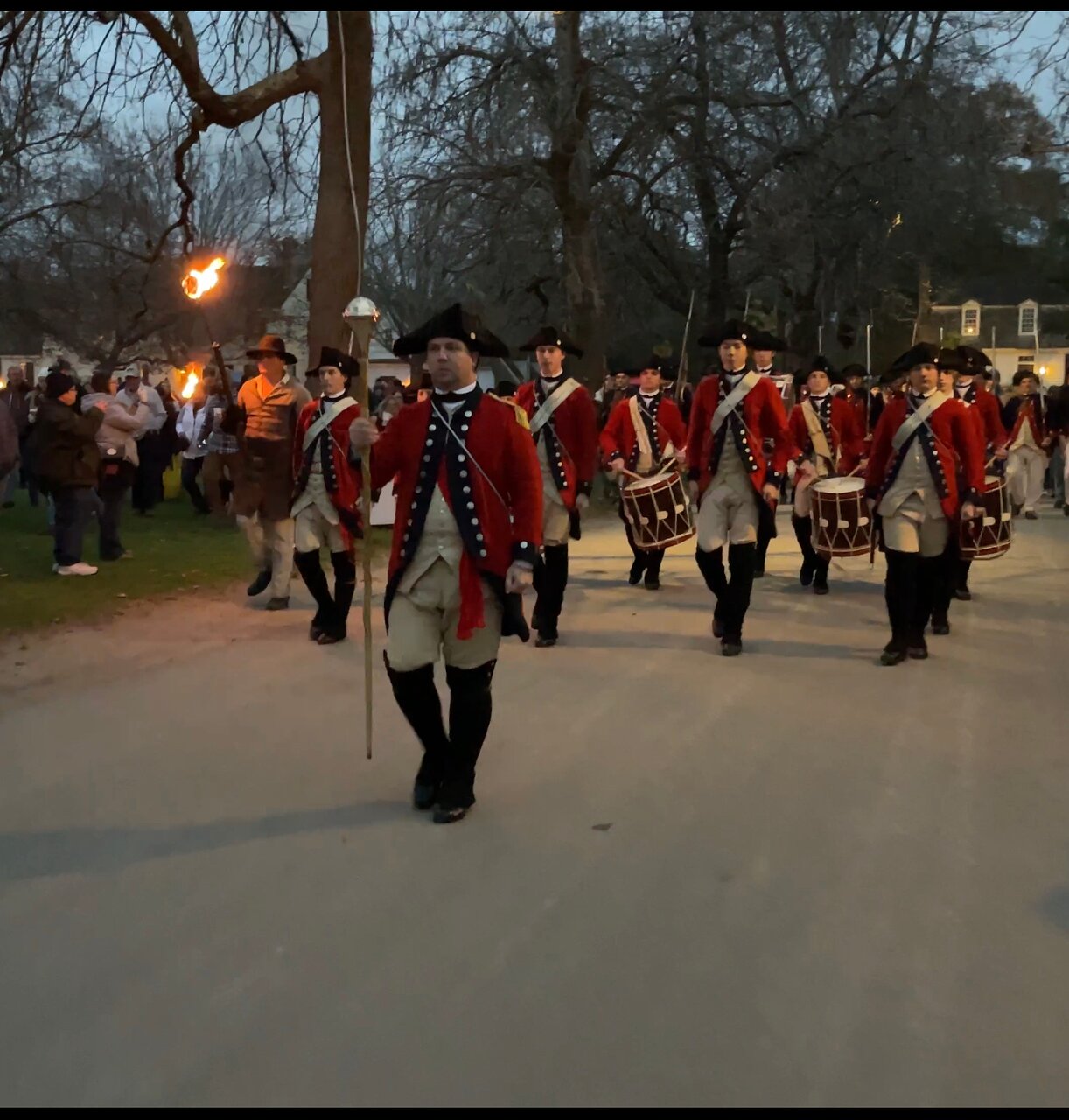
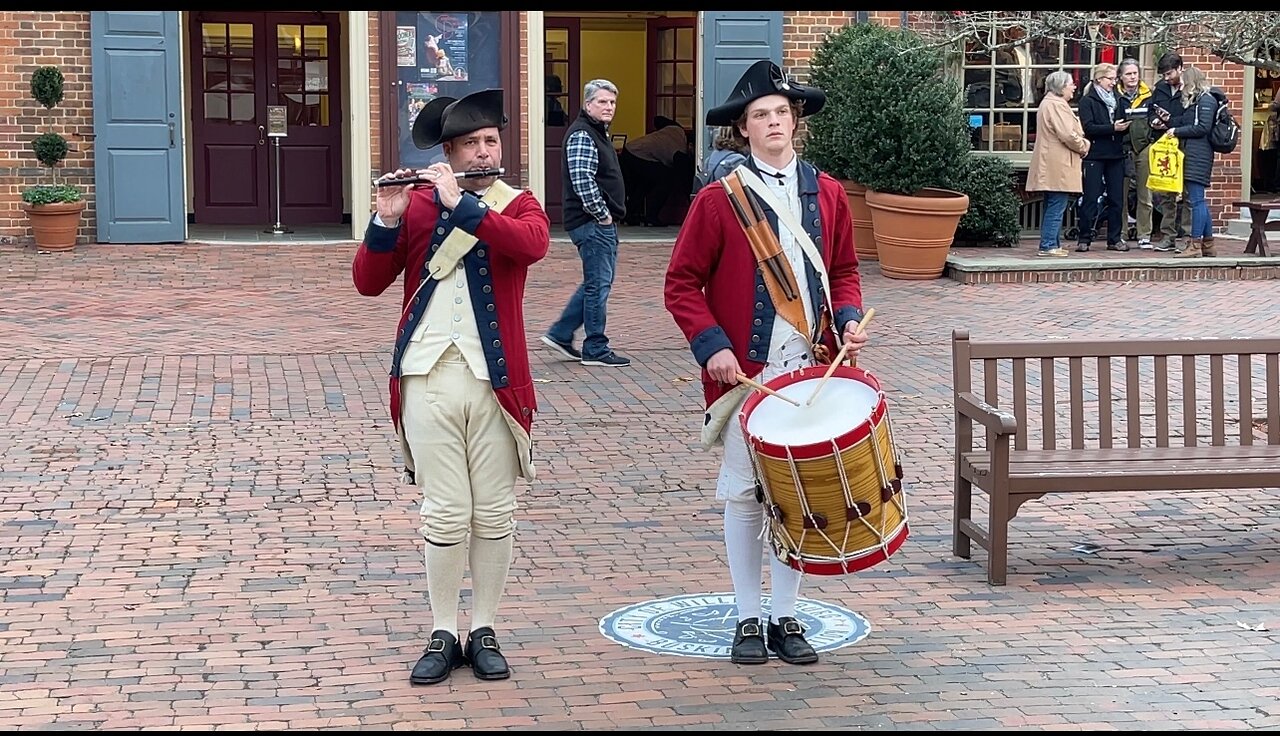
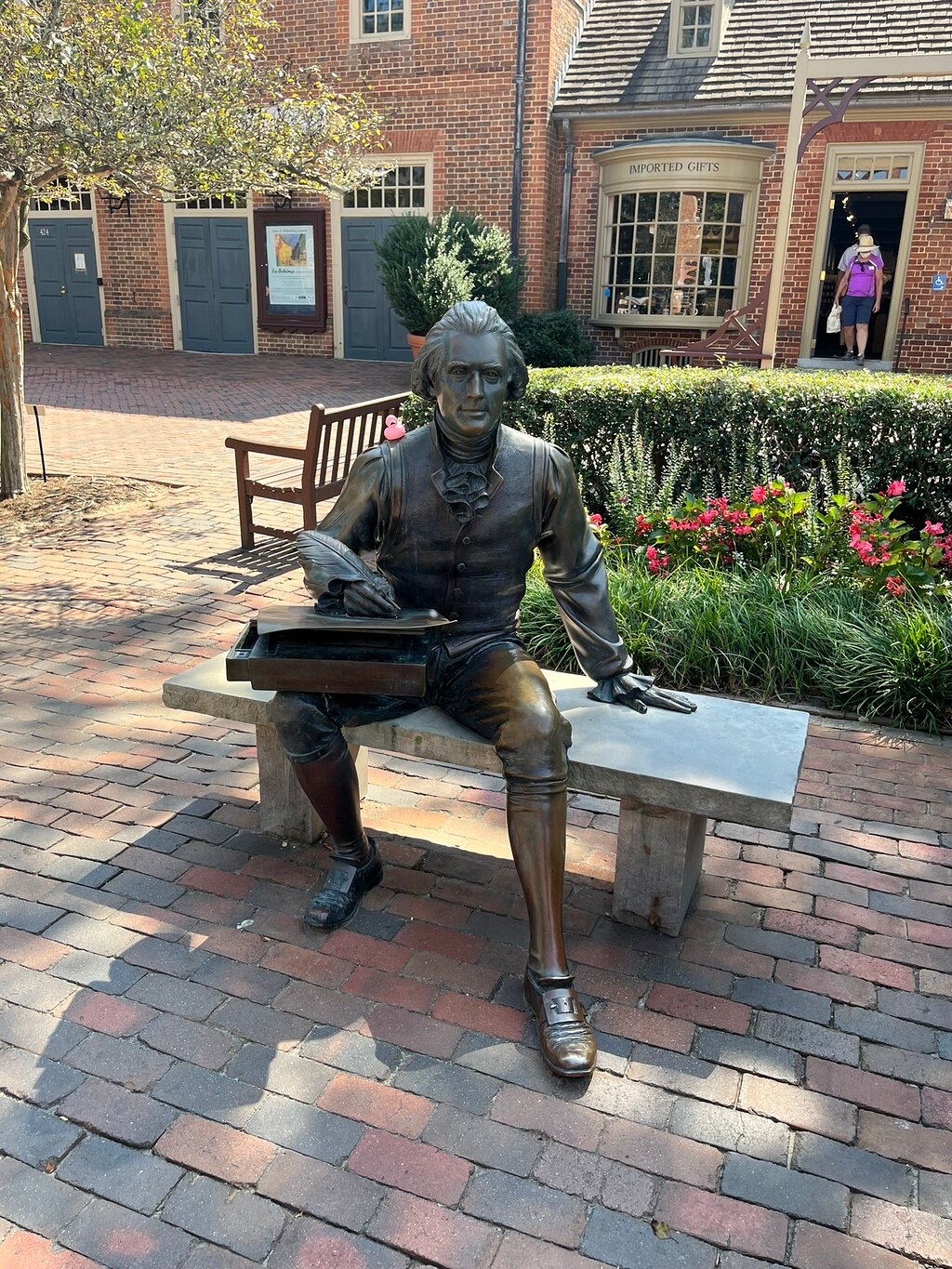
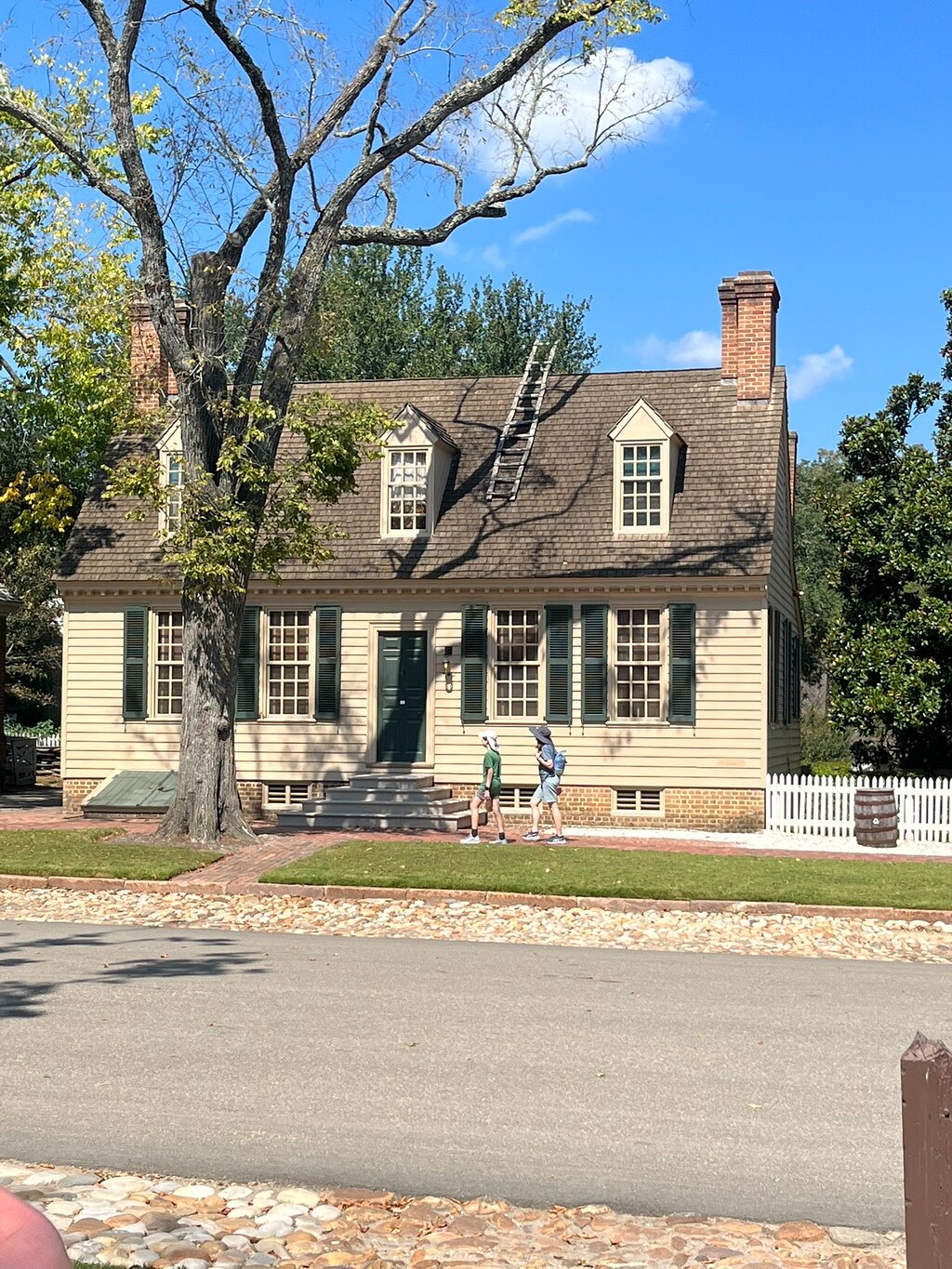
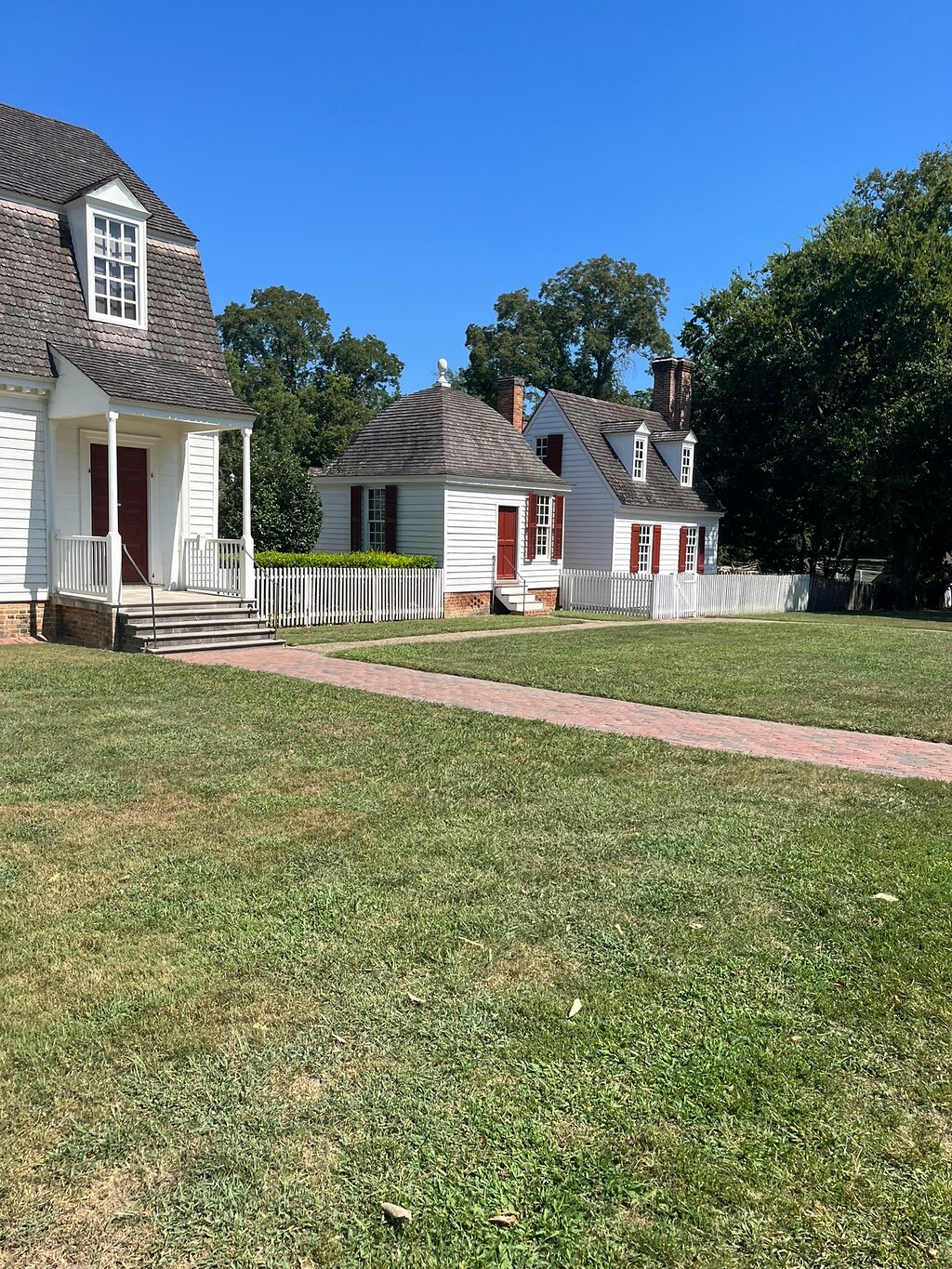
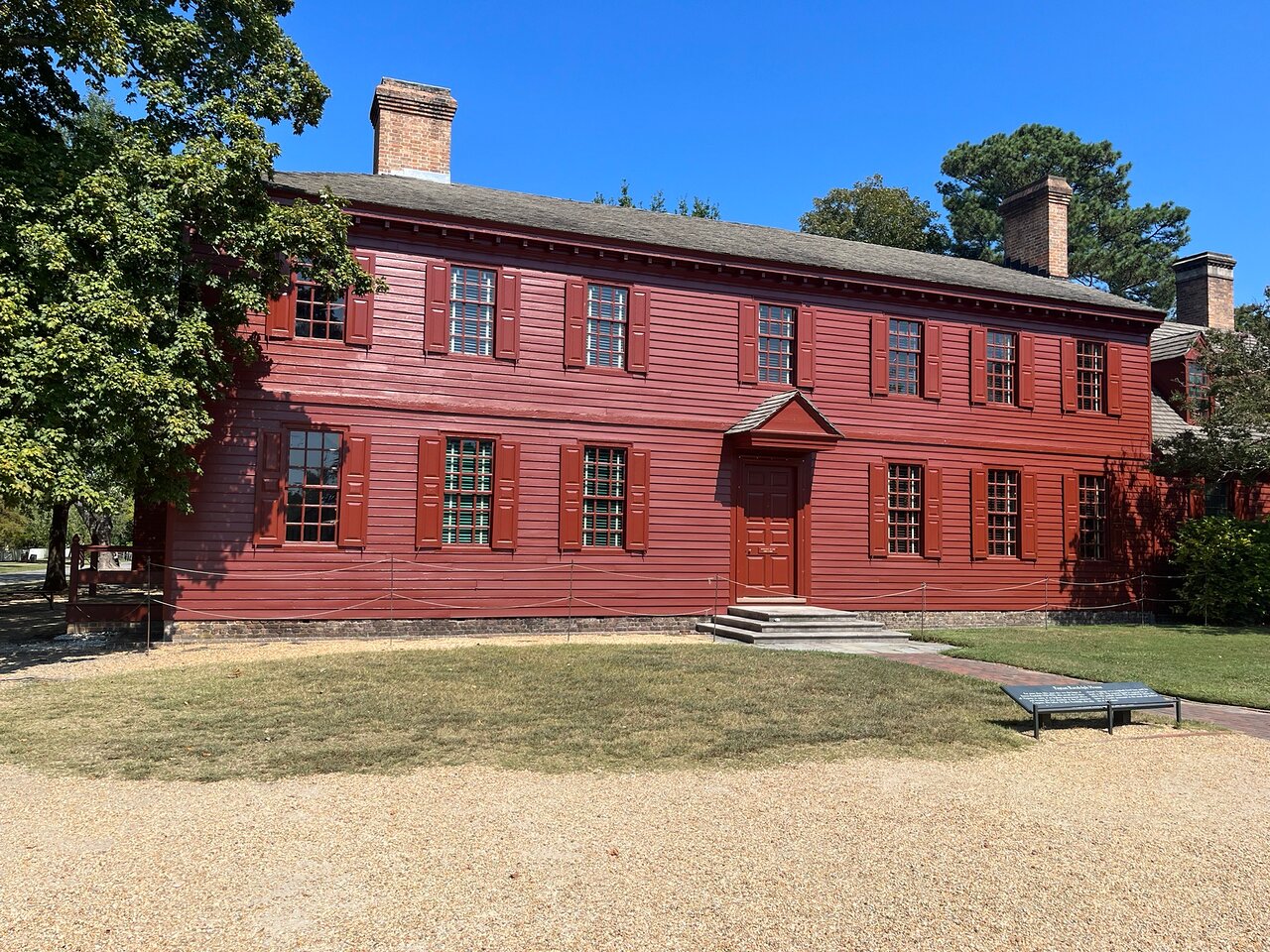
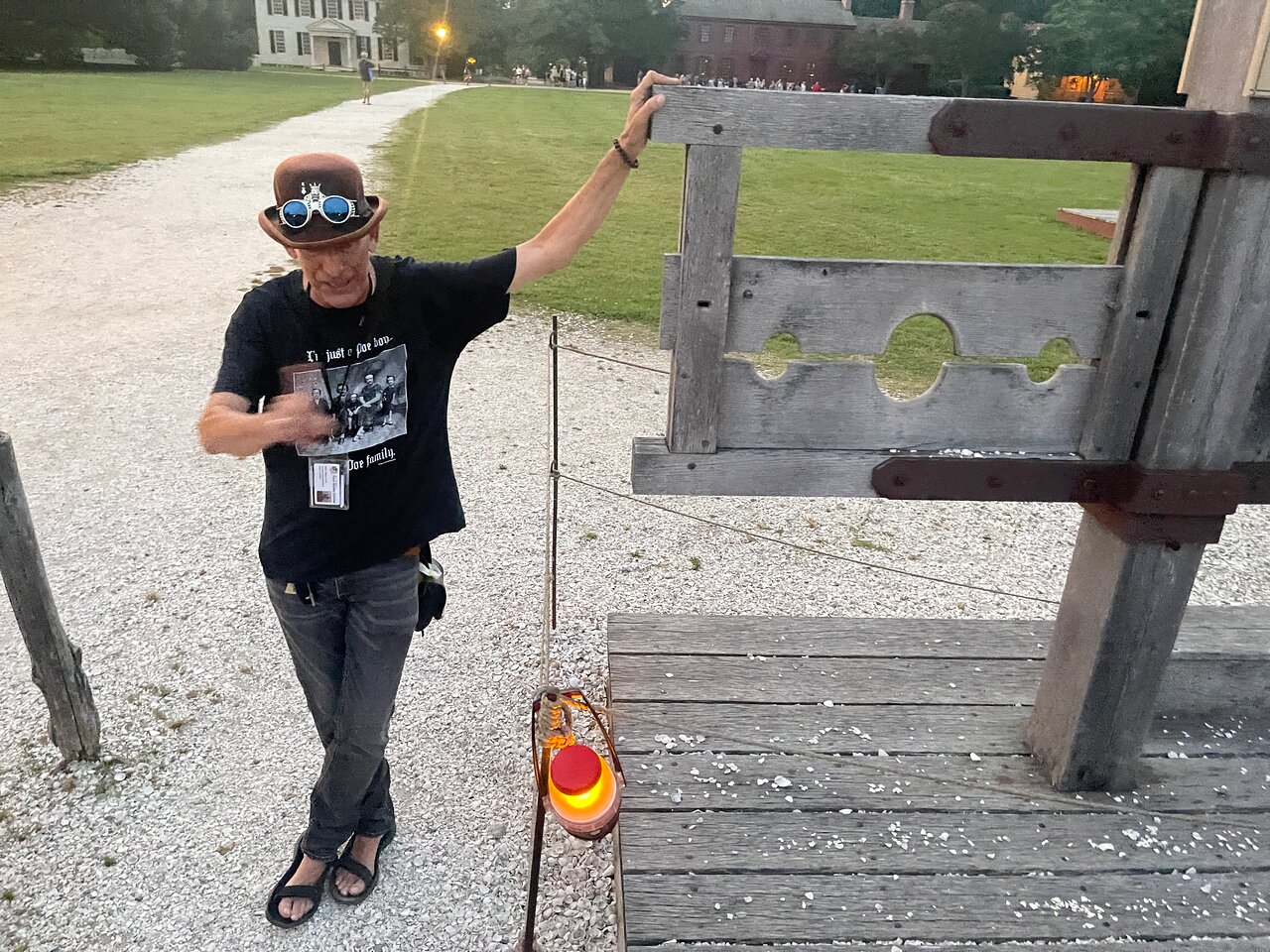
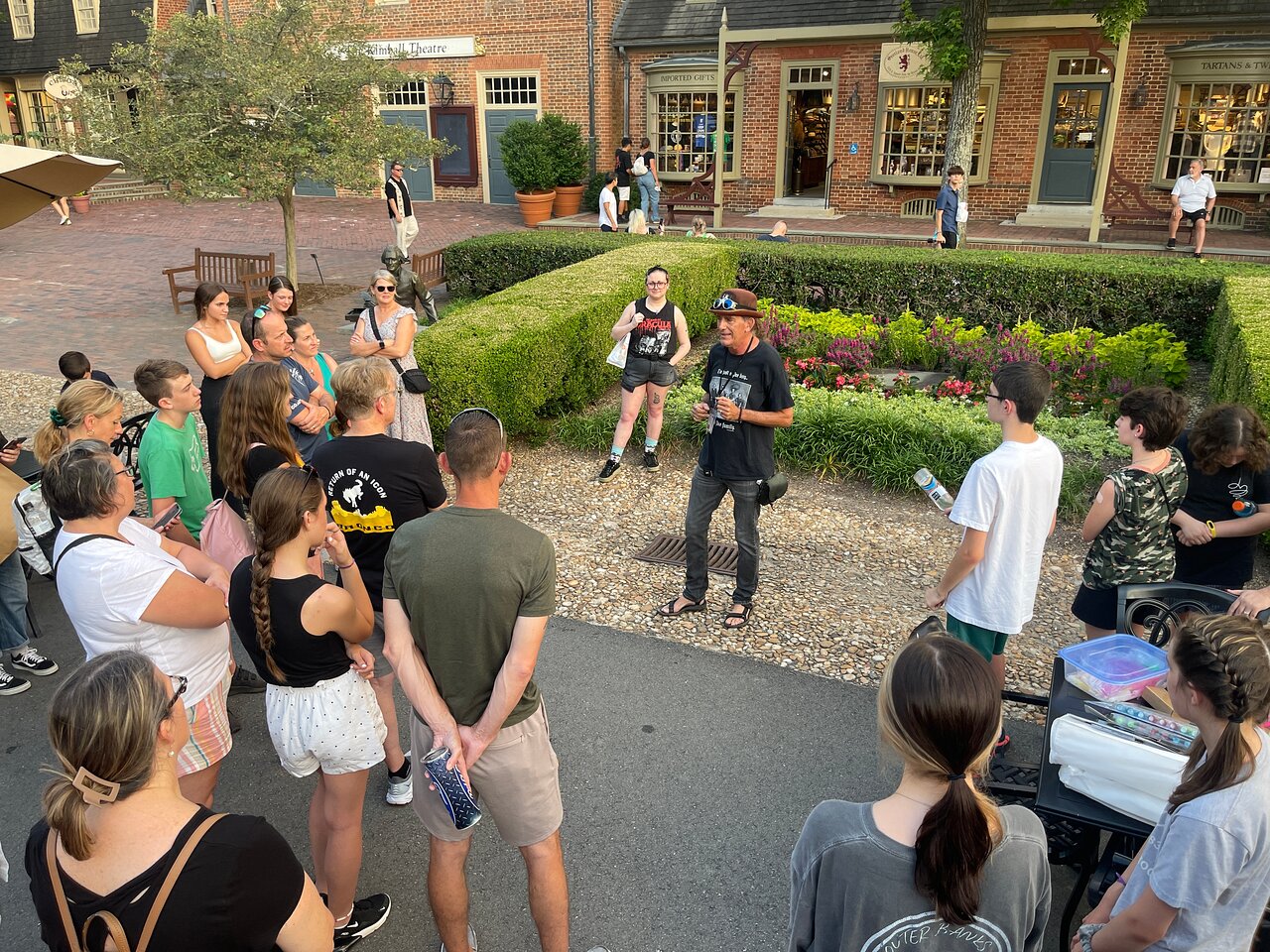
Colonial Williamsburg is a living history museum. We'll examine Williamsburg in its early colonial guise. You'll experience what it was like to reside in the colonial capital during a time when ruthless businesspeople, ruthless politicians, enslaved Africans, and possibly a few pirates walked these streets. Investigate the homes, business, places of government, and houses of worship that were integral to society in Colonial Williamsburg. Rewind to a period when the cries of emancipation reverberated through the halls of power and the murmurs of American independence hung thick in the air.

Miasto: Williamsburg
Wed 28 Jan
i
Możesz wybrać datę już na stronie rezerwacyjnej
Zaczynać od $31.00
Wed 28 Jan
Zaczynać od $31.00
Zarezerwuj
co jest zawarte
Dokładnie zbadana i dokładna historia
Profesjonalny i uprzejmy przewodnik
Thoroughly researched and accurate history
Professional and courteous guide
Thoroughly researched and accurate history
Professional and courteous guide
Thoroughly researched and accurate history
Dodatkowe informacje
  • Wheelchair accessible
  • Infants and small children can ride in a pram or stroller
  • Service animals allowed
  • Public transportation options are available nearby
  • Transportation options are wheelchair accessible
  • All areas and surfaces are wheelchair accessible
  • Not recommended for travelers with poor cardiovascular health
  • Travelers should have at least a moderate level of physical fitness
Czego oczekiwać
1
Muzeum Szpitala Publicznego
Zgodnie z dokumentami założycielskimi w tej placówce mieli być umieszczani „idioci, szaleńcy i obłąkani”. Chociaż warunki często były niewiele lepsze niż w więzieniach, kilku lekarzy próbowało poprawić sytuację swoich pacjentów. Po wojnie secesyjnej sytuacja ponownie się pogorszyła, aw latach 90. XIX wieku pierwotna budowla spłonęła.
2
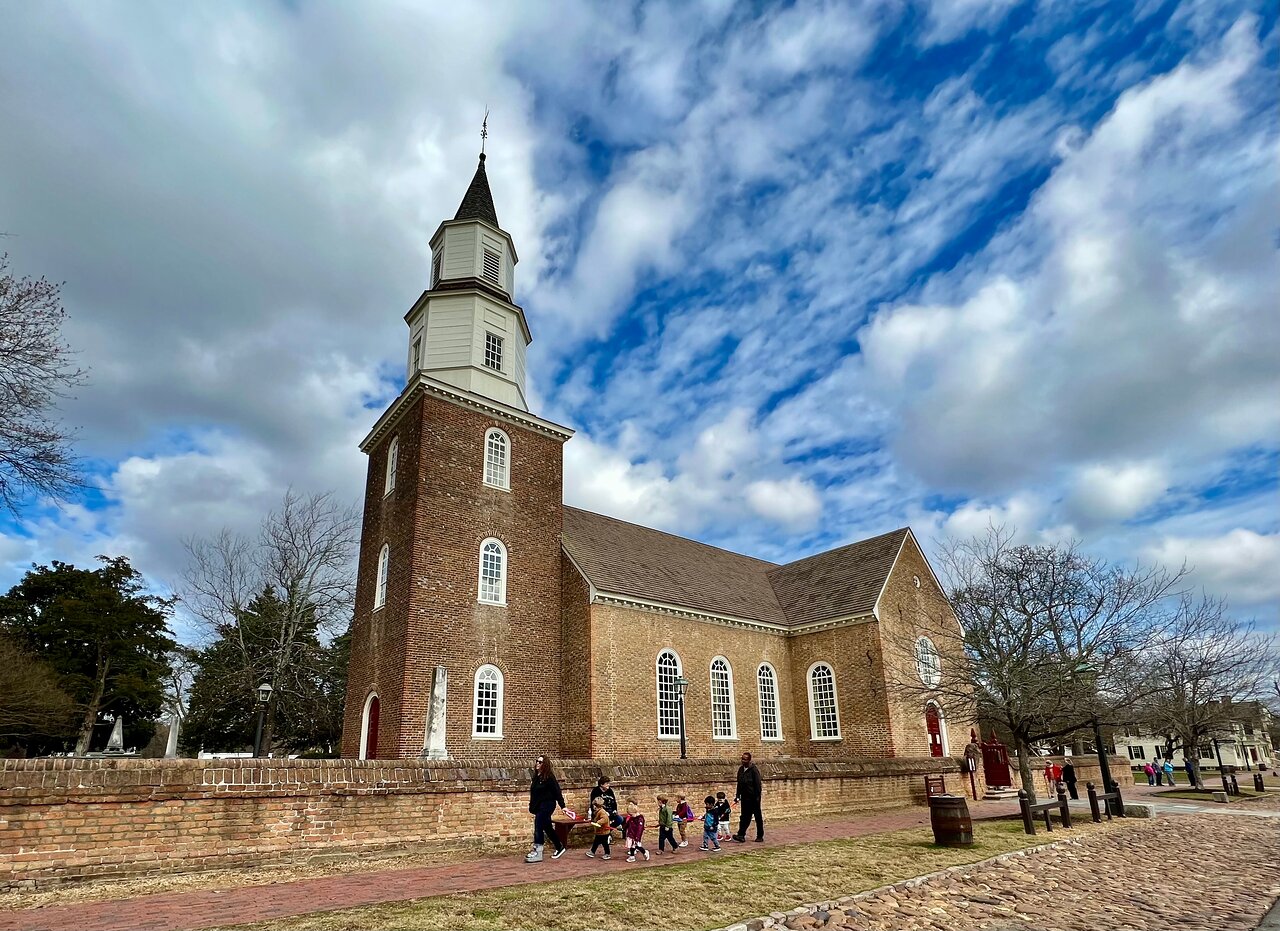
Bruton Parafialny Kościół Episkopalny
Kościół powstał w 1682 r., a obecną budowlę wzniesiono w 1715 r. W różnych okresach swojego życia do tego kościoła uczęszczało pięciu prezydentów. Pierwszy mąż Marthy Washington i dwoje ich dzieci są pochowani na cmentarzu kościelnym.
3
Dom George'a Wythe'a
Profesor prawa, polityk, sędzia i sygnatariusz Deklaracji Niepodległości: George Wythe był człowiekiem znakomitym. Wśród jego uczniów byli John Marshall (Sędzia Sądu Najwyższego) i Thomas Jefferson. Zbadaj kontrowersje wokół jego odejścia.
4
Pałac Gubernatora
Struktura, którą zobaczysz, była repliką ukończoną w 1934 roku, ale Thomas Jefferson, który mieszkał tam wcześniej, służąc jako gubernator Wirginii po wojnie o niepodległość, miał oryginalne pomysły na jej budowę.
5
Public Hospital Museum
"Idiots, lunatics, and those of insane mind" were to be housed in this institution, according to its founding documents. Although conditions were frequently not much better than those in jails, several doctors tried to make things better for their patients. After the Civil War, the situation worsened once again, and in the 1890s, the original structure burned down.
6
Bruton Parish Episcopal Church
The church was established in 1682, and the current structure was built in 1715. At various times during their lifetimes, five presidents frequented this church. Martha Washington's first husband and two of their children are interred in the church's cemetery.
7
George Wythe House
Professor of law, politician, judge, and signer of the Declaration of Independence: George Wythe was an accomplished man. John Marshall (Supreme Court Justice) and Thomas Jefferson were among his pupils. Examine the controversy surrounding his passing.
8
Governor's Palace
The structure you'll see was a replica completed in 1934, but Thomas Jefferson, who previously lived there while serving as governor of Virginia after the Revolutionary War, had the original ideas for its construction.
9
Public Hospital Museum
"Idiots, lunatics, and those of insane mind" were to be housed in this institution, according to its founding documents. Although conditions were frequently not much better than those in jails, several doctors tried to make things better for their patients. After the Civil War, the situation worsened once again, and in the 1890s, the original structure burned down.
10
Bruton Parish Episcopal Church
The church was established in 1682, and the current structure was built in 1715. At various times during their lifetimes, five presidents frequented this church. Martha Washington's first husband and two of their children are interred in the church's cemetery.
11
George Wythe House
Professor of law, politician, judge, and signer of the Declaration of Independence: George Wythe was an accomplished man. John Marshall (Supreme Court Justice) and Thomas Jefferson were among his pupils. Examine the controversy surrounding his passing.
12
Governor's Palace
The structure you'll see was a replica completed in 1934, but Thomas Jefferson, who previously lived there while serving as governor of Virginia after the Revolutionary War, had the original ideas for its construction.
13
Public Hospital Museum
"Idiots, lunatics, and those of insane mind" were to be housed in this institution, according to its founding documents. Although conditions were frequently not much better than those in jails, several doctors tried to make things better for their patients. After the Civil War, the situation worsened once again, and in the 1890s, the original structure burned down.
14
Bruton Parish Episcopal Church
The church was established in 1682, and the current structure was built in 1715. At various times during their lifetimes, five presidents frequented this church. Martha Washington's first husband and two of their children are interred in the church's cemetery.
15
George Wythe House
Professor of law, politician, judge, and signer of the Declaration of Independence: George Wythe was an accomplished man. John Marshall (Supreme Court Justice) and Thomas Jefferson were among his pupils. Examine the controversy surrounding his passing.
16
Governor's Palace
The structure you'll see was a replica completed in 1934, but Thomas Jefferson, who previously lived there while serving as governor of Virginia after the Revolutionary War, had the original ideas for its construction.
17
Public Hospital Museum
"Idiots, lunatics, and those of insane mind" were to be housed in this institution, according to its founding documents. Although conditions were frequently not much better than those in jails, several doctors tried to make things better for their patients. After the Civil War, the situation worsened once again, and in the 1890s, the original structure burned down.
18
Bruton Parish Episcopal Church
The church was established in 1682, and the current structure was built in 1715. At various times during their lifetimes, five presidents frequented this church. Martha Washington's first husband and two of their children are interred in the church's cemetery.
19
George Wythe House
Professor of law, politician, judge, and signer of the Declaration of Independence: George Wythe was an accomplished man. John Marshall (Supreme Court Justice) and Thomas Jefferson were among his pupils. Examine the controversy surrounding his passing.
20
Governor's Palace
The structure you'll see was a replica completed in 1934, but Thomas Jefferson, who previously lived there while serving as governor of Virginia after the Revolutionary War, had the original ideas for its construction.
21
Public Hospital Museum
"Idiots, lunatics, and those of insane mind" were to be housed in this institution, according to its founding documents. Although conditions were frequently not much better than those in jails, several doctors tried to make things better for their patients. After the Civil War, the situation worsened once again, and in the 1890s, the original structure burned down.
22
Bruton Parish Episcopal Church
The church was established in 1682, and the current structure was built in 1715. At various times during their lifetimes, five presidents frequented this church. Martha Washington's first husband and two of their children are interred in the church's cemetery.
23
George Wythe House
Professor of law, politician, judge, and signer of the Declaration of Independence: George Wythe was an accomplished man. John Marshall (Supreme Court Justice) and Thomas Jefferson were among his pupils. Examine the controversy surrounding his passing.
24
Governor's Palace
The structure you'll see was a replica completed in 1934, but Thomas Jefferson, who previously lived there while serving as governor of Virginia after the Revolutionary War, had the original ideas for its construction.
25
Public Hospital Museum
"Idiots, lunatics, and those of insane mind" were to be housed in this institution, according to its founding documents. Although conditions were frequently not much better than those in jails, several doctors tried to make things better for their patients. After the Civil War, the situation worsened once again, and in the 1890s, the original structure burned down.
26
Bruton Parish Episcopal Church
The church was established in 1682, and the current structure was built in 1715. At various times during their lifetimes, five presidents frequented this church. Martha Washington's first husband and two of their children are interred in the church's cemetery.
27
George Wythe House
Professor of law, politician, judge, and signer of the Declaration of Independence: George Wythe was an accomplished man. John Marshall (Supreme Court Justice) and Thomas Jefferson were among his pupils. Examine the controversy surrounding his passing.
28
Governor's Palace
The structure you'll see was a replica completed in 1934, but Thomas Jefferson, who previously lived there while serving as governor of Virginia after the Revolutionary War, had the original ideas for its construction.
29
Public Hospital Museum
"Idiots, lunatics, and those of insane mind" were to be housed in this institution, according to its founding documents. Although conditions were frequently not much better than those in jails, several doctors tried to make things better for their patients. After the Civil War, the situation worsened once again, and in the 1890s, the original structure burned down.
30
Bruton Parish Episcopal Church
The church was established in 1682, and the current structure was built in 1715. At various times during their lifetimes, five presidents frequented this church. Martha Washington's first husband and two of their children are interred in the church's cemetery.
31
George Wythe House
Professor of law, politician, judge, and signer of the Declaration of Independence: George Wythe was an accomplished man. John Marshall (Supreme Court Justice) and Thomas Jefferson were among his pupils. Examine the controversy surrounding his passing.
32
Governor's Palace
The structure you'll see was a replica completed in 1934, but Thomas Jefferson, who previously lived there while serving as governor of Virginia after the Revolutionary War, had the original ideas for its construction.
33
Public Hospital Museum
"Idiots, lunatics, and those of insane mind" were to be housed in this institution, according to its founding documents. Although conditions were frequently not much better than those in jails, several doctors tried to make things better for their patients. After the Civil War, the situation worsened once again, and in the 1890s, the original structure burned down.
34
Bruton Parish Episcopal Church
The church was established in 1682, and the current structure was built in 1715. At various times during their lifetimes, five presidents frequented this church. Martha Washington's first husband and two of their children are interred in the church's cemetery.
35
George Wythe House
Professor of law, politician, judge, and signer of the Declaration of Independence: George Wythe was an accomplished man. John Marshall (Supreme Court Justice) and Thomas Jefferson were among his pupils. Examine the controversy surrounding his passing.
36
Governor's Palace
The structure you'll see was a replica completed in 1934, but Thomas Jefferson, who previously lived there while serving as governor of Virginia after the Revolutionary War, had the original ideas for its construction.
37
Public Hospital Museum
"Idiots, lunatics, and those of insane mind" were to be housed in this institution, according to its founding documents. Although conditions were frequently not much better than those in jails, several doctors tried to make things better for their patients. After the Civil War, the situation worsened once again, and in the 1890s, the original structure burned down.
38
Bruton Parish Episcopal Church
The church was established in 1682, and the current structure was built in 1715. At various times during their lifetimes, five presidents frequented this church. Martha Washington's first husband and two of their children are interred in the church's cemetery.
39
George Wythe House
Professor of law, politician, judge, and signer of the Declaration of Independence: George Wythe was an accomplished man. John Marshall (Supreme Court Justice) and Thomas Jefferson were among his pupils. Examine the controversy surrounding his passing.
40
Governor's Palace
The structure you'll see was a replica completed in 1934, but Thomas Jefferson, who previously lived there while serving as governor of Virginia after the Revolutionary War, had the original ideas for its construction.
41
Public Hospital Museum
"Idiots, lunatics, and those of insane mind" were to be housed in this institution, according to its founding documents. Although conditions were frequently not much better than those in jails, several doctors tried to make things better for their patients. After the Civil War, the situation worsened once again, and in the 1890s, the original structure burned down.
42
Bruton Parish Episcopal Church
The church was established in 1682, and the current structure was built in 1715. At various times during their lifetimes, five presidents frequented this church. Martha Washington's first husband and two of their children are interred in the church's cemetery.
43
George Wythe House
Professor of law, politician, judge, and signer of the Declaration of Independence: George Wythe was an accomplished man. John Marshall (Supreme Court Justice) and Thomas Jefferson were among his pupils. Examine the controversy surrounding his passing.
44
Governor's Palace
The structure you'll see was a replica completed in 1934, but Thomas Jefferson, who previously lived there while serving as governor of Virginia after the Revolutionary War, had the original ideas for its construction.
45
Public Hospital Museum
"Idiots, lunatics, and those of insane mind" were to be housed in this institution, according to its founding documents. Although conditions were frequently not much better than those in jails, several doctors tried to make things better for their patients. After the Civil War, the situation worsened once again, and in the 1890s, the original structure burned down.
46
Bruton Parish Episcopal Church
The church was established in 1682, and the current structure was built in 1715. At various times during their lifetimes, five presidents frequented this church. Martha Washington's first husband and two of their children are interred in the church's cemetery.
47
George Wythe House
Professor of law, politician, judge, and signer of the Declaration of Independence: George Wythe was an accomplished man. John Marshall (Supreme Court Justice) and Thomas Jefferson were among his pupils. Examine the controversy surrounding his passing.
48
Governor's Palace
The structure you'll see was a replica completed in 1934, but Thomas Jefferson, who previously lived there while serving as governor of Virginia after the Revolutionary War, had the original ideas for its construction.
Show 45 więcej przystanków
Zasady anulowania
For a full refund, cancel at least 24 hours before the scheduled departure time.
Zdjęcia podróżników
Recenzje (24)
Greg_M
Feb 2025
The tour lasted about an hour and 45 minutes and was extremely detailed and informative. We walked all throughout Colonial Williamsburg.
Michael_S
Feb 2025
Ryan did a excellent job, we learned a lot about the history Williamsburg. He took the time to explain everything at each stop we made.
Odpowiedź od gospodarza
Feb 2025
Hello, Michael! We really appreciate your thoughtful review! It’s great to hear that Ryan made your Williamsburg tour educational and enjoyable. We’ll definitely pass along your compliments to him. We hope to have you back with us soon for another memorable tour!
Carl_B
Nov 2024
Patrick was a very informative guide and we thoroughly enjoyed the entire tour starting in the Merchant Square and ending on palace grounds.
Odpowiedź od gospodarza
Nov 2024
Hi, Carl! Thank you for sharing your experience! It’s wonderful to hear you enjoyed the tour and found it informative. We hope you’ll join us again soon!

Powiązane wydarzenia

Wydarzenia w tym samym obszarze

Uważamy, że twój język jest English
W jakim języku chcesz wyświetlić tę stronę?
English English
Uważamy, że Twoje miasto jest Nowy Jork
Którego miasta szukasz do odkrycia?
Nowy Jork
New York City