Badać
Log in

Wycieczka piesza po Boston's Freedom Trail i nie tylko!

Przegląd
There are many Freedom Trail tour options in Boston, but why be shuttled on a trolley tour or be limited by the route of a duck tour when you can see it all on a customized, tour with your own private guide. Our options are limitless as we can arrange a custom tour to fit your group's wishes. Our guides are the best in the business with many years of experience. Our tours are fun, factual and entertaining. Never boring!
Miasto: Boston
Wed 29 Jul
i
Możesz wybrać datę już na stronie rezerwacyjnej
Zaczynać od $395.00
Wed 29 Jul
Zaczynać od $395.00
Zarezerwuj
co jest zawarte
Prywatny przewodnik turystyczny
Private Tour Guide
Private Tour Guide
Private Tour Guide
Dodatkowe informacje
  • Wheelchair accessible
  • Infants and small children can ride in a pram or stroller
  • Service animals allowed
  • Public transportation options are available nearby
  • Transportation options are wheelchair accessible
  • Travelers should have at least a moderate level of physical fitness
Czego oczekiwać
1
Szlak Wolności
Zobacz Boston Common, New State House, Granary Burial Ground, Park Street Church, King's Chapel & Burial Ground, Scollay Square /Government Center, Old South Meeting House, miejsce pierwszej szkoły publicznej, Old City Hall, Old State House, Faneuil Hall, Quincy Rynek, Rose Fitzgerald Kennedy Greenway, dom Paula Revere'a, kościół Old North, miejsce pochówku Copp's Hill, Haymarket, Boston Stone, Union Oyster House i wiele więcej!
2
Boston Common
Założony w 1634 roku Boston Common jest najstarszym parkiem publicznym w Ameryce. Purytańscy koloniści kupili prawa do ziemi do 44 akrów Common od pierwszego europejskiego osadnika na tym obszarze, anglikańskiego ministra Williama Blackstone'a.
3
Izba Stanowa Massachusetts
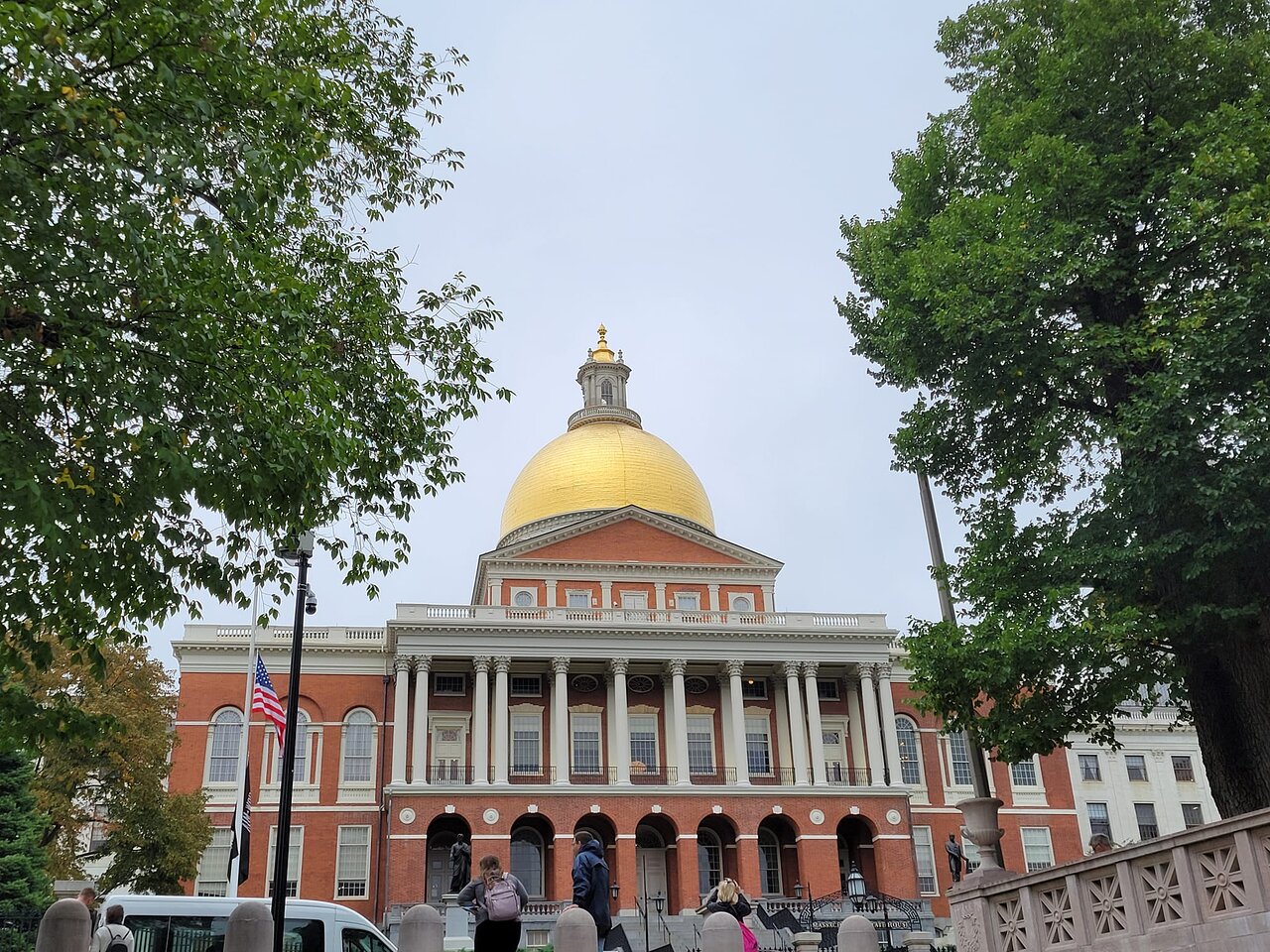
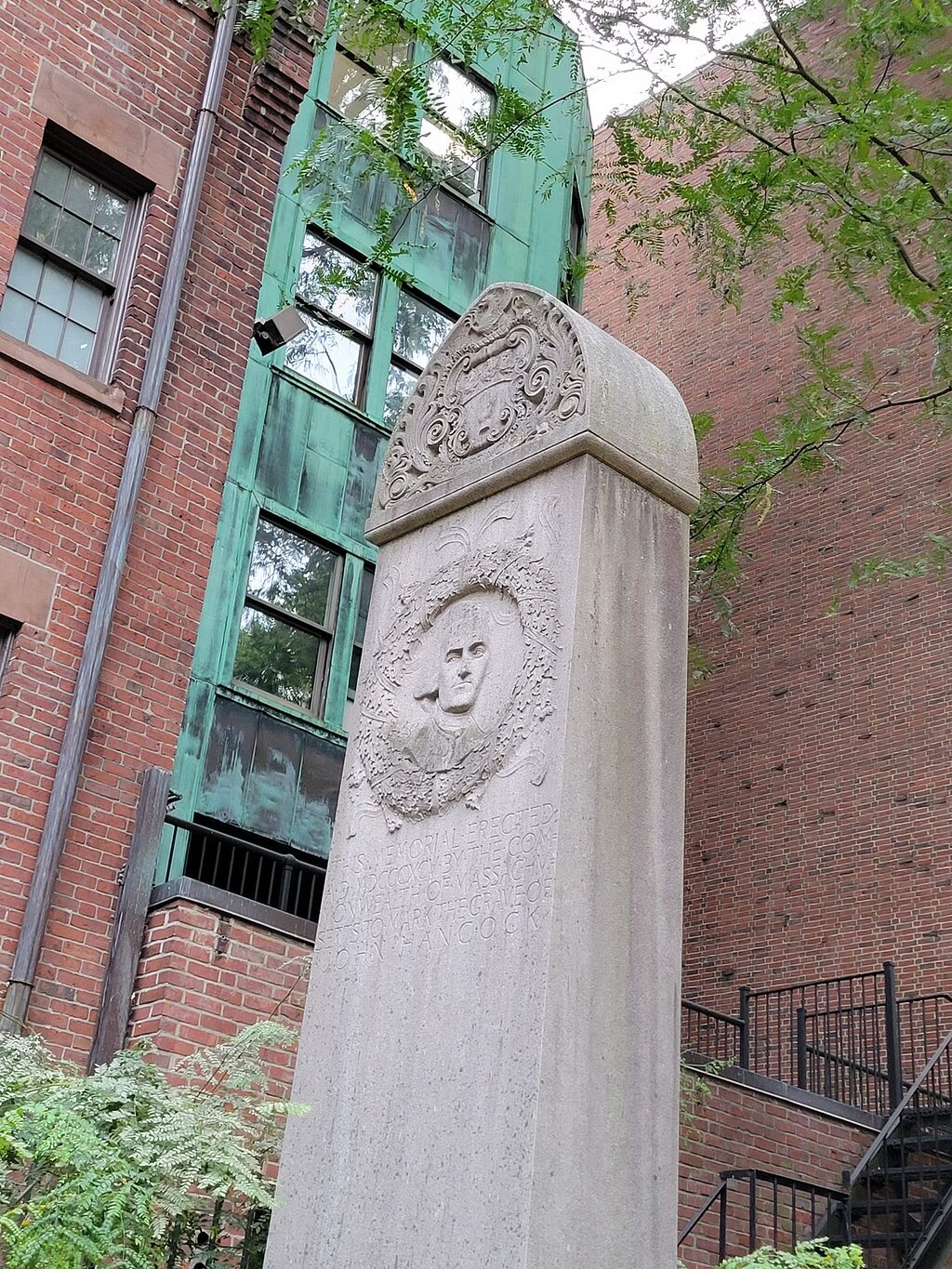
Zaprojektowany przez Charlesa Bulfincha, „nowy” i obecny State House służył jako siedziba rządu Massachusetts od czasu jego otwarcia w 1798 roku. Posiadając władzę ustawodawczą i wykonawczą, sąsiaduje z dawnym miejscem historycznej rezydencji Hancocka.
4
Kościół przy ulicy Parkowej
Kościół został założony w 1809 roku na rogu ulic Park i Tremont, na szczycie bostońskiego spichlerza zbożowego. Zaprojektowana przez Petera Bannera 217-metrowa wieża kościoła Park Street Church była kiedyś pierwszym punktem orientacyjnym, jaki widzieli podróżnicy zbliżający się do Bostonu.
5
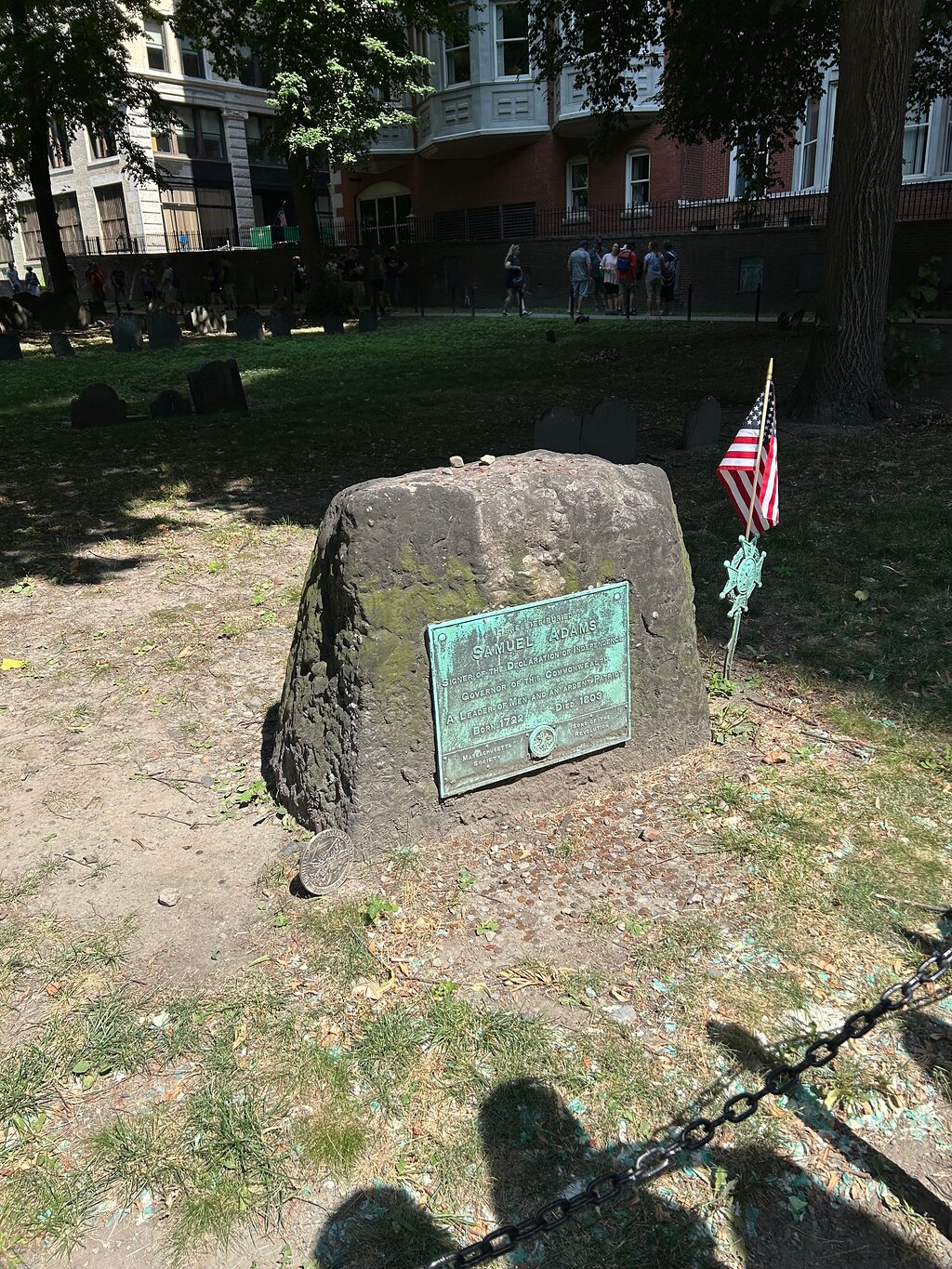
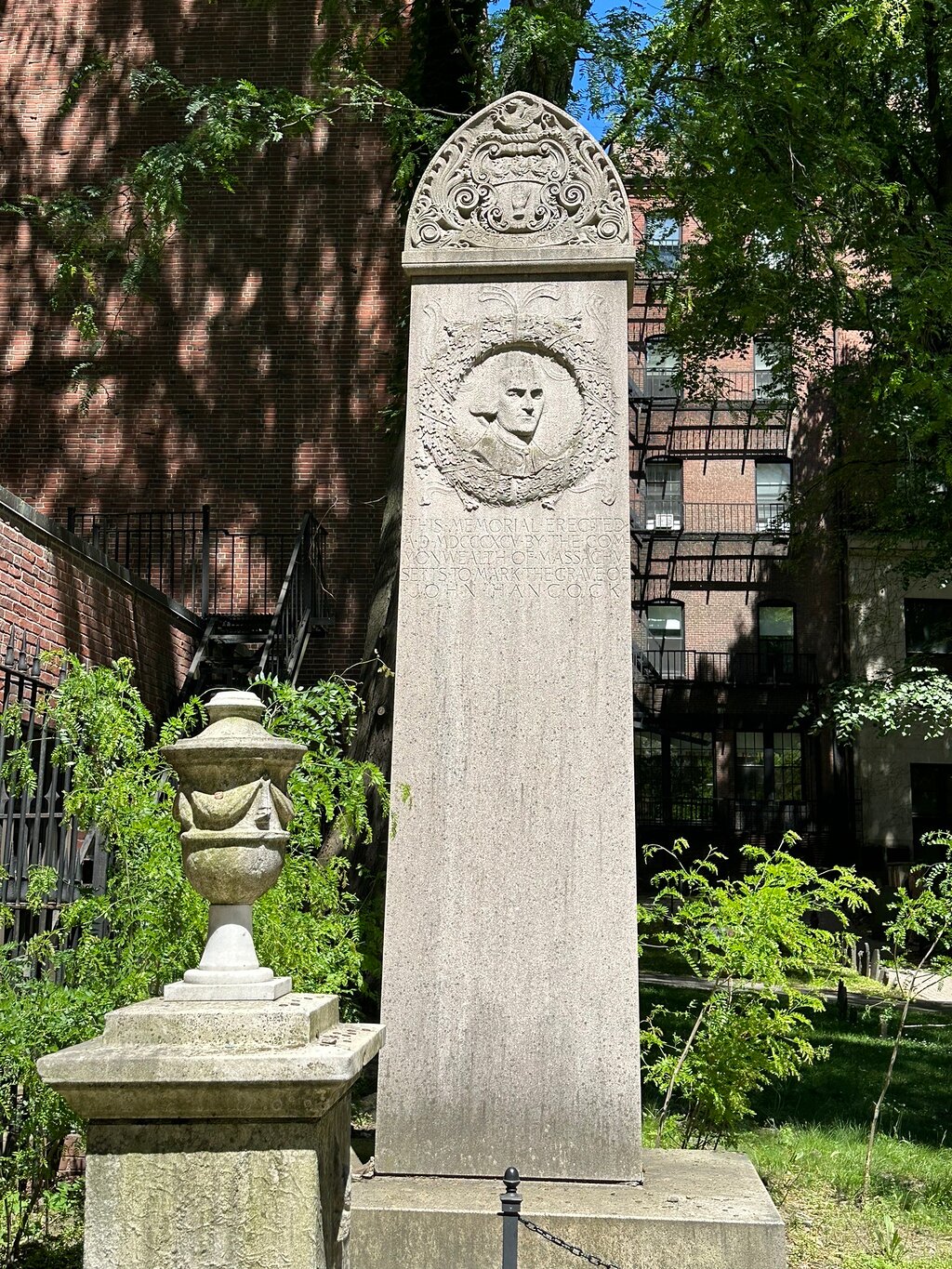
Cmentarz Spichlerzy
Założona w 1660 roku, spoczywa tutaj niektórzy z najbardziej znanych obywateli Ameryki i ojcowie założyciele. Historyczne cmentarzysko, nazwane na cześć budynku do przechowywania zboża o pojemności 12 000 buszli, który znajdował się kiedyś obok, ma około 2300 znaczników.
6
Pomnik Benjamina Franklina
Boston Latin School, założona 23 kwietnia 1635 roku, jest najstarszą szkołą publiczną w Ameryce. Oferował bezpłatną edukację chłopcom - bogatym lub biednym - podczas gdy dziewczęta uczęszczały do ​​prywatnych szkół w domu. Do ukończenia szkoły w 1645 r. zajęcia odbywały się w domu pierwszego dyrektora, Filemona Pormonta. Mozaika i pomnik byłego ucznia Benjamina Franklina wyznaczają obecnie lokalizację pierwotnego budynku szkolnego.
7
Księgarnia Old Corner
Zbudowana w 1718 roku księgarnia Old Corner jest najstarszym budynkiem handlowym w centrum Bostonu i była domem dla XIX-wiecznego giganta wydawniczego Ticknor and Fields, producenta wielu czcigodnych amerykańskich tytułów, w tym Walden Thoreau, The Scarlet Letter Hawthorne'a, Longfellowa Midnight Ride of Paul Revere, oraz Atlantic Monthly, w tym Battle Hymn of the Republic Warda Howe'a. Uratowany przed wyburzeniem w 1960 roku, dzierżawiony budynek pomaga sfinansować ważne projekty ochrony zabytków w dzielnicach Bostonu.
8
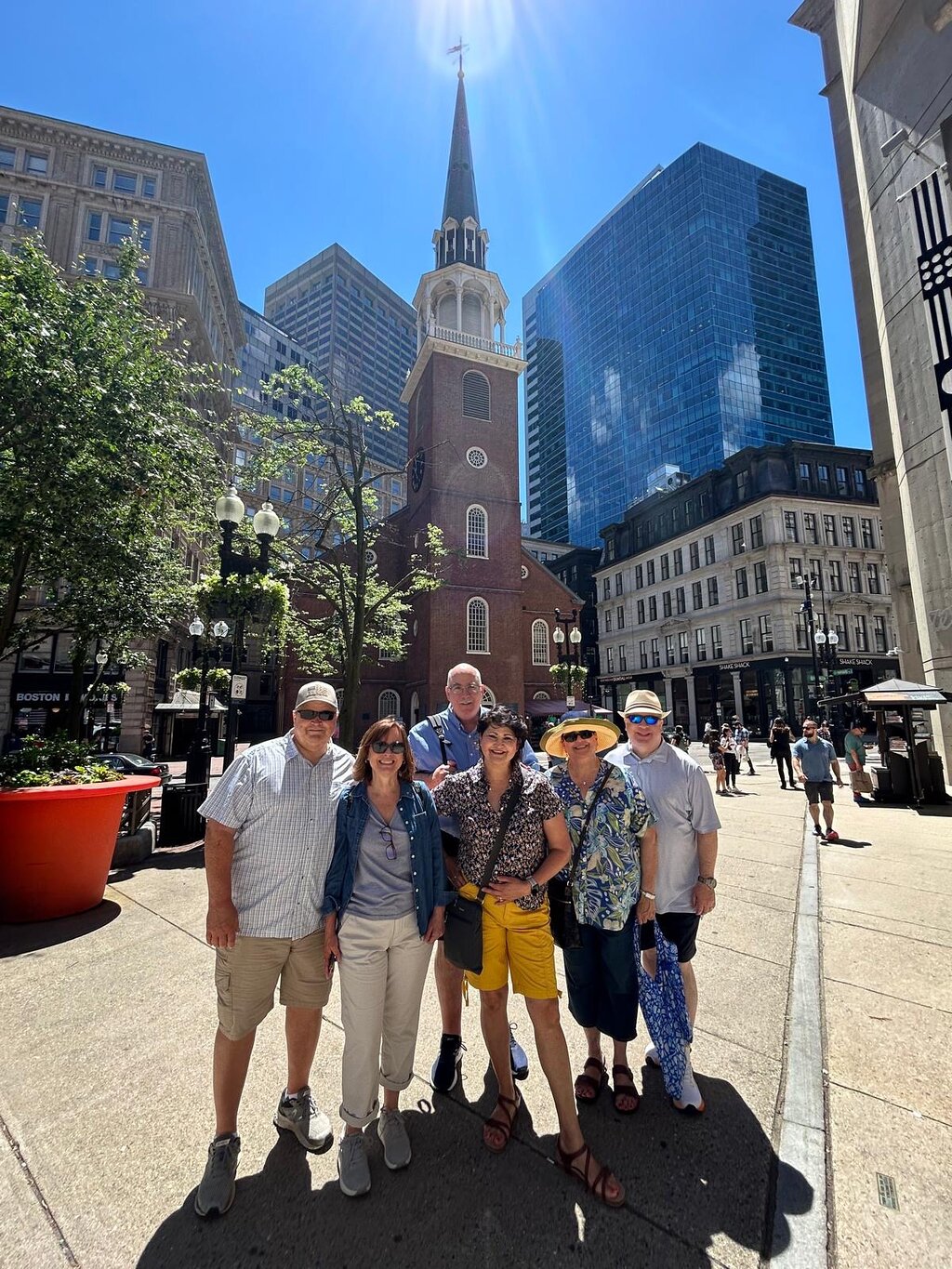
Dom Spotkań Starego Południa
Tam, gdzie zaczęło się Boston Tea Party! Ta sala rozbrzmiewała słowami z purytańskich kazań, publicznych spotkań i debat dotyczących podatku od herbaty.
9
Rynek Faneuil Hall
Często określany jako „dom wolności słowa” i „kolebka wolności”, Faneuil Hall był gospodarzem pierwszego spotkania miejskiego w Ameryce. Istotna rola Hali w rewolucyjnej polityce nie była częścią jej pierwotnych planów, ale stała się domem dla skomplikowanego zbioru wydarzeń, które ukształtowały historię narodu. Odwiedź sąsiedni rynek, na którym znajduje się wiele sklepów i restauracji.
10
Kamień Bostoński
Poznaj historię o tym, dlaczego okrągły kamień jest osadzony w ścianie XVIII-wiecznego budynku
11
Dom Paula Revere'a
W nocy 18 kwietnia 1775 roku złotnik Paul Revere opuścił swój mały drewniany dom w bostońskiej dzielnicy North End i wyruszył w podróż, która ostatecznie uczyniła go legendą. Dziś ten dom nadal stoi przy 19 North Square i stał się narodowym zabytkiem historycznym. Jest to najstarszy budynek w centrum Bostonu i jedno z nielicznych zachowanych XVII-wiecznych mieszkań na dużym obszarze miejskim w Stanach Zjednoczonych.
12
Kościół Old North i miejsce historyczne
Trwała sława Starej Północy zaczęła się 18 kwietnia 1775 roku, kiedy kościelny Robert Newman wspiął się na wieżę i uniósł dwie latarnie jako sygnał od Paula Revere'a, że ​​Brytyjczycy maszerują do Lexington i Concord drogą morską przez rzekę Charles i nie na lądzie. To fatalne wydarzenie zapoczątkowało rewolucję amerykańską. Zbudowany w 1723 roku Christ Church w Bostonie, znany wszystkim jako Old North Church, jest najstarszym zachowanym kościołem w Bostonie i najczęściej odwiedzanym miejscem historycznym.
13
Miejsce pochówku Copp's Hill
Nazwany na cześć szewca Williama Coppa, Copp's Hill Burying Ground jest miejscem ostatecznego spoczynku i pochówku kupców, rzemieślników i rzemieślników, którzy mieszkali w North End.
14
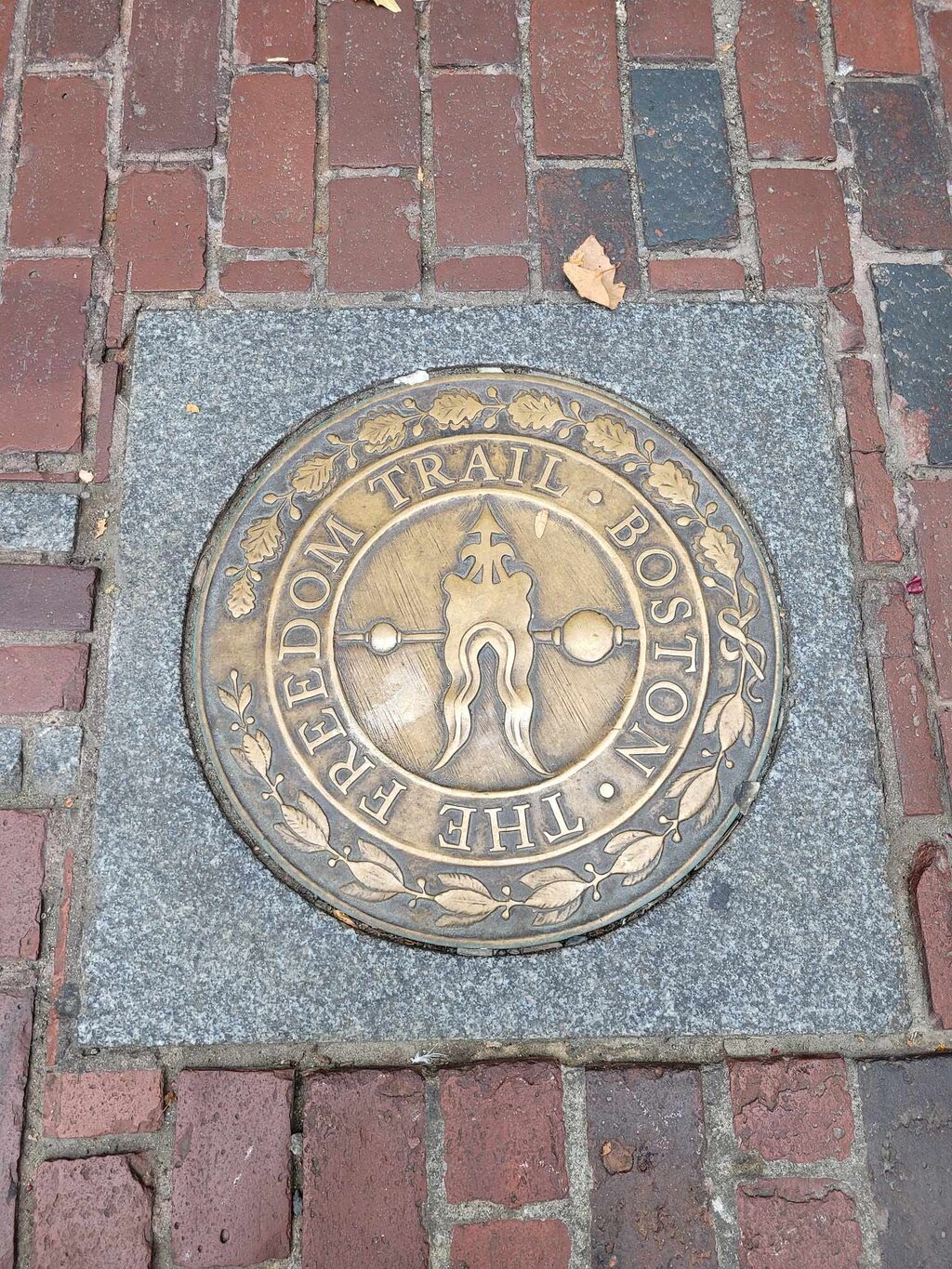
Freedom Trail
See Boston Common, New State House, Granary Burial Ground, Park Street Church, King's Chapel & Burial Ground, Scollay Square/Government Center, Old South Meeting House, First Public School site, Old City Hall, Old State House, Faneuil Hall, Quincy Market, Rose Fitzgerald Kennedy Greenway, Paul Revere's House, Old North Church, Copp's Hill Burial Ground, Haymarket, Boston Stone, Union Oyster House & so much more!
15
Boston Common
Established in 1634, Boston Common is America’s oldest public park. Puritan colonists purchased the land rights to the Common’s 44 acres from the first European settler of the area, Anglican minister William Blackstone.
16
Massachusetts State House
Designed by Charles Bulfinch, the ‘new’ and current State House has served as the seat of Massachusetts government since its opening in 1798. Holding the legislative and executive branches, it sits adjacent to the former site of the historic Hancock mansion.
17
Park Street Church
The church was founded in 1809, at the corner of Park and Tremont Streets, atop the site of Boston’s town grain storage building, or granary. Designed by Peter Banner, the 217 ft. steeple of Park Street Church was once the first landmark travelers saw when approaching Boston.
18
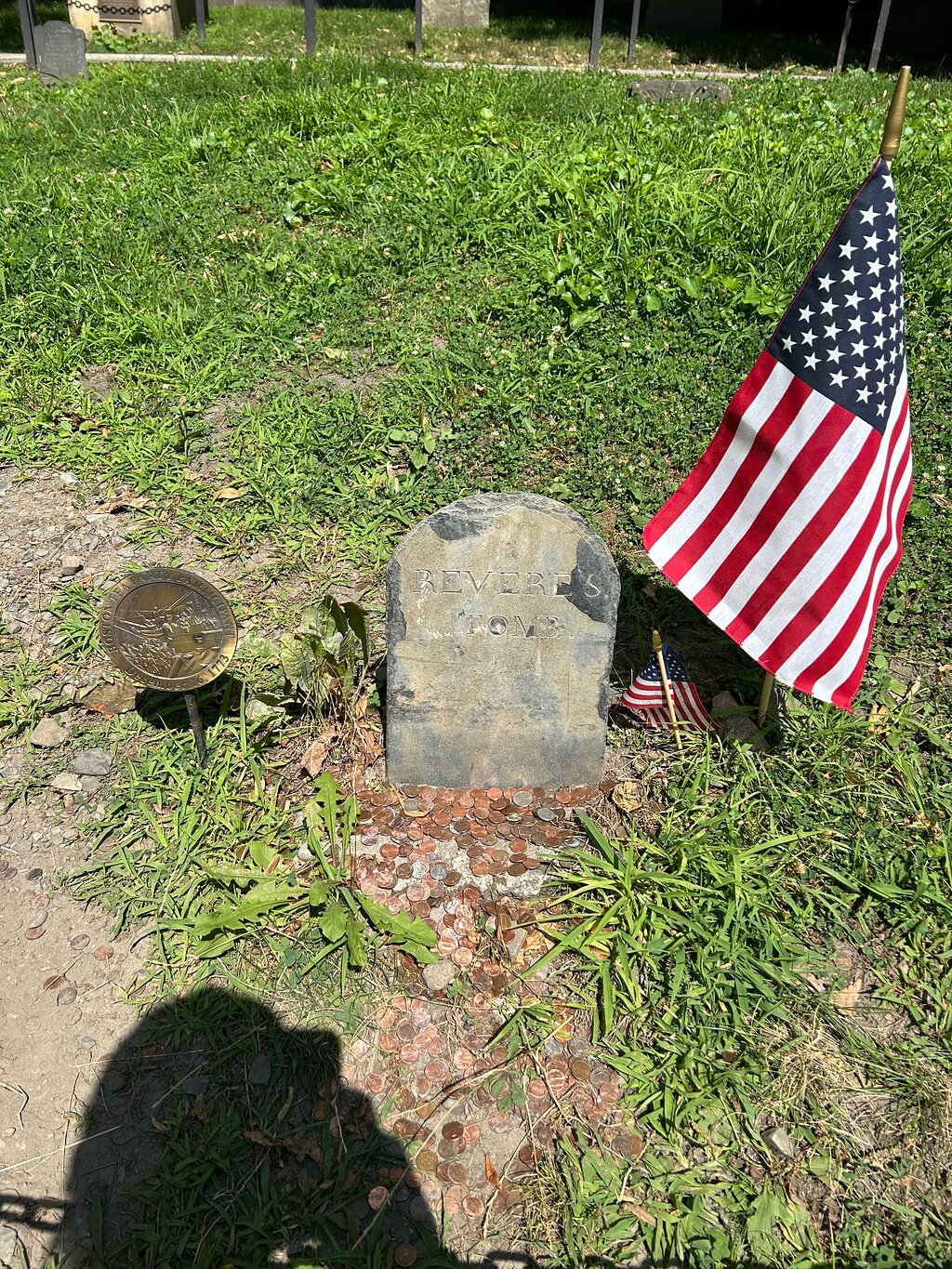
Granary Burying Ground
Established in 1660, some of America's most notable citizens and founding fathers rest here. Named for the 12,000-bushel grain storage building that was once next door, the historic burying ground has approximately 2,300 markers.
19
Statue of Benjamin Franklin
Boston Latin School, founded on April 23, 1635, is the oldest public school in America. It offered free education to boys - rich or poor - while girls attended private schools at home. Until the completion of the schoolhouse in 1645, classes were held in the home of the first headmaster, Philemon Pormont. A mosaic and a statue of former student Benjamin Franklin currently marks the location of the original schoolhouse.
20
Old Corner Bookstore
Constructed in 1718, the Old Corner Bookstore is downtown Boston’s oldest commercial building and was home to the 19th-century publishing giant Ticknor and Fields, producer of many venerable American titles including Thoreau’s Walden, Hawthorne’s The Scarlet Letter, Longfellow's Midnight Ride of Paul Revere, and the Atlantic Monthly including Ward Howe's Battle Hymn of the Republic. Saved from demolition in 1960, the building’s leases help subsidize important historic preservation projects in Boston’s neighborhoods.
21
Old South Meeting House
Where the Boston Tea Party began! This hall rang with words from Puritan sermons, public meetings, and the tea tax debates.
22
Faneuil Hall Marketplace
Often referred to as "the home of free speech" and the "Cradle of Liberty," Faneuil Hall hosted America's first Town Meeting. The Hall's vital role in revolutionary politics had not been part of its original plans, but it became home to an intricate collection of events that shaped the nation's history. Visit the adjacent marketplace home to many shops and eateries.
23
The Boston Stone
Learn the tale of why a round rock is embedded in a wall of an 18th century building
24
The Paul Revere House
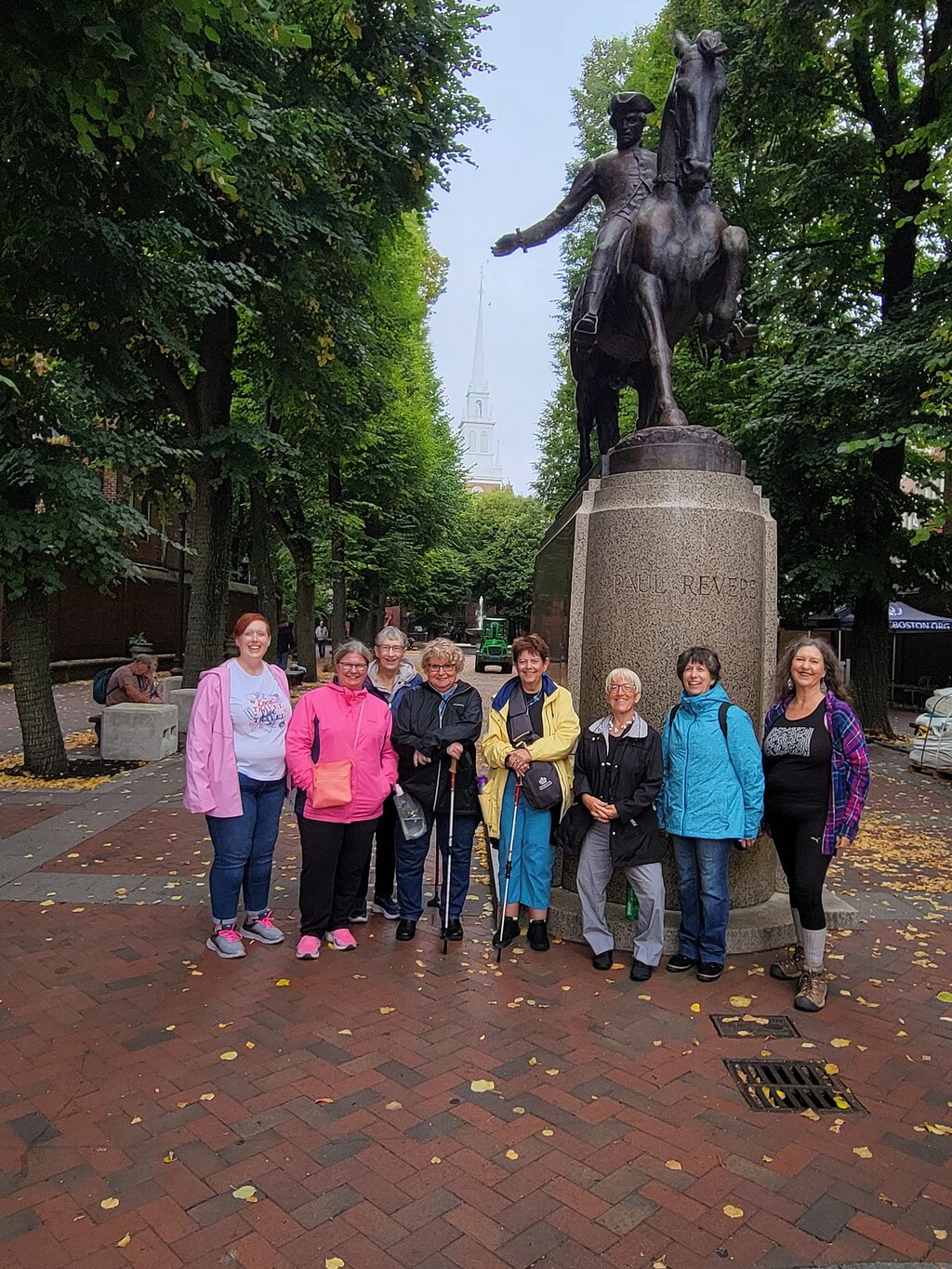
On the night of April 18, 1775, silversmith Paul Revere left his small wooden home in Boston’s North End and set out on a journey that would ultimately make him a legend. Today that home is still standing at 19 North Square and has become a national historic landmark. It is downtown Boston’s oldest building and one of the few remaining 17th-century dwellings in a large urban area in the United States.
25
Old North Church & Historic Site
The enduring fame of the Old North began April 18, 1775, when church sexton, Robert Newman climbed the steeple and held high two lanterns as a signal from Paul Revere that the British were marching to Lexington and Concord by sea across the Charles River and not by land. This fateful event ignited the American Revolution. Built in 1723, Christ Church in the City of Boston, known to all as the Old North Church, is Boston’s oldest surviving church building and most visited historical site.
26
Copp's Hill Burying Ground
Named after shoemaker William Copp, Copp’s Hill Burying Ground is the final resting place and burying ground of merchants, artisans, and craftspeople who lived in the North End.
27
Freedom Trail
See Boston Common, New State House, Granary Burial Ground, Park Street Church, King's Chapel & Burial Ground, Scollay Square/Government Center, Old South Meeting House, First Public School site, Old City Hall, Old State House, Faneuil Hall, Quincy Market, Rose Fitzgerald Kennedy Greenway, Paul Revere's House, Old North Church, Copp's Hill Burial Ground, Haymarket, Boston Stone, Union Oyster House & so much more!
28
Boston Common
Established in 1634, Boston Common is America’s oldest public park. Puritan colonists purchased the land rights to the Common’s 44 acres from the first European settler of the area, Anglican minister William Blackstone.
29
Massachusetts State House
Designed by Charles Bulfinch, the ‘new’ and current State House has served as the seat of Massachusetts government since its opening in 1798. Holding the legislative and executive branches, it sits adjacent to the former site of the historic Hancock mansion.
30
Park Street Church
The church was founded in 1809, at the corner of Park and Tremont Streets, atop the site of Boston’s town grain storage building, or granary. Designed by Peter Banner, the 217 ft. steeple of Park Street Church was once the first landmark travelers saw when approaching Boston.
31
Granary Burying Ground
Established in 1660, some of America's most notable citizens and founding fathers rest here. Named for the 12,000-bushel grain storage building that was once next door, the historic burying ground has approximately 2,300 markers.
32
Statue of Benjamin Franklin
Boston Latin School, founded on April 23, 1635, is the oldest public school in America. It offered free education to boys - rich or poor - while girls attended private schools at home. Until the completion of the schoolhouse in 1645, classes were held in the home of the first headmaster, Philemon Pormont. A mosaic and a statue of former student Benjamin Franklin currently marks the location of the original schoolhouse.
33
Old Corner Bookstore
Constructed in 1718, the Old Corner Bookstore is downtown Boston’s oldest commercial building and was home to the 19th-century publishing giant Ticknor and Fields, producer of many venerable American titles including Thoreau’s Walden, Hawthorne’s The Scarlet Letter, Longfellow's Midnight Ride of Paul Revere, and the Atlantic Monthly including Ward Howe's Battle Hymn of the Republic. Saved from demolition in 1960, the building’s leases help subsidize important historic preservation projects in Boston’s neighborhoods.
34
Old South Meeting House
Where the Boston Tea Party began! This hall rang with words from Puritan sermons, public meetings, and the tea tax debates.
35
Faneuil Hall Marketplace
Often referred to as "the home of free speech" and the "Cradle of Liberty," Faneuil Hall hosted America's first Town Meeting. The Hall's vital role in revolutionary politics had not been part of its original plans, but it became home to an intricate collection of events that shaped the nation's history. Visit the adjacent marketplace home to many shops and eateries.
36
The Boston Stone
Learn the tale of why a round rock is embedded in a wall of an 18th century building
37
The Paul Revere House
On the night of April 18, 1775, silversmith Paul Revere left his small wooden home in Boston’s North End and set out on a journey that would ultimately make him a legend. Today that home is still standing at 19 North Square and has become a national historic landmark. It is downtown Boston’s oldest building and one of the few remaining 17th-century dwellings in a large urban area in the United States.
38
Old North Church & Historic Site
The enduring fame of the Old North began April 18, 1775, when church sexton, Robert Newman climbed the steeple and held high two lanterns as a signal from Paul Revere that the British were marching to Lexington and Concord by sea across the Charles River and not by land. This fateful event ignited the American Revolution. Built in 1723, Christ Church in the City of Boston, known to all as the Old North Church, is Boston’s oldest surviving church building and most visited historical site.
39
Copp's Hill Burying Ground
Named after shoemaker William Copp, Copp’s Hill Burying Ground is the final resting place and burying ground of merchants, artisans, and craftspeople who lived in the North End.
40
Freedom Trail
See Boston Common, New State House, Granary Burial Ground, Park Street Church, King's Chapel & Burial Ground, Scollay Square/Government Center, Old South Meeting House, First Public School site, Old City Hall, Old State House, Faneuil Hall, Quincy Market, Rose Fitzgerald Kennedy Greenway, Paul Revere's House, Old North Church, Copp's Hill Burial Ground, Haymarket, Boston Stone, Union Oyster House & so much more!
41
Boston Common
Established in 1634, Boston Common is America’s oldest public park. Puritan colonists purchased the land rights to the Common’s 44 acres from the first European settler of the area, Anglican minister William Blackstone.
42
Massachusetts State House
Designed by Charles Bulfinch, the ‘new’ and current State House has served as the seat of Massachusetts government since its opening in 1798. Holding the legislative and executive branches, it sits adjacent to the former site of the historic Hancock mansion.
43
Park Street Church
The church was founded in 1809, at the corner of Park and Tremont Streets, atop the site of Boston’s town grain storage building, or granary. Designed by Peter Banner, the 217 ft. steeple of Park Street Church was once the first landmark travelers saw when approaching Boston.
44
Granary Burying Ground
Established in 1660, some of America's most notable citizens and founding fathers rest here. Named for the 12,000-bushel grain storage building that was once next door, the historic burying ground has approximately 2,300 markers.
45
Statue of Benjamin Franklin
Boston Latin School, founded on April 23, 1635, is the oldest public school in America. It offered free education to boys - rich or poor - while girls attended private schools at home. Until the completion of the schoolhouse in 1645, classes were held in the home of the first headmaster, Philemon Pormont. A mosaic and a statue of former student Benjamin Franklin currently marks the location of the original schoolhouse.
46
Old Corner Bookstore
Constructed in 1718, the Old Corner Bookstore is downtown Boston’s oldest commercial building and was home to the 19th-century publishing giant Ticknor and Fields, producer of many venerable American titles including Thoreau’s Walden, Hawthorne’s The Scarlet Letter, Longfellow's Midnight Ride of Paul Revere, and the Atlantic Monthly including Ward Howe's Battle Hymn of the Republic. Saved from demolition in 1960, the building’s leases help subsidize important historic preservation projects in Boston’s neighborhoods.
47
Old South Meeting House
Where the Boston Tea Party began! This hall rang with words from Puritan sermons, public meetings, and the tea tax debates.
48
Faneuil Hall Marketplace
Often referred to as "the home of free speech" and the "Cradle of Liberty," Faneuil Hall hosted America's first Town Meeting. The Hall's vital role in revolutionary politics had not been part of its original plans, but it became home to an intricate collection of events that shaped the nation's history. Visit the adjacent marketplace home to many shops and eateries.
49
The Boston Stone
Learn the tale of why a round rock is embedded in a wall of an 18th century building
50
The Paul Revere House
On the night of April 18, 1775, silversmith Paul Revere left his small wooden home in Boston’s North End and set out on a journey that would ultimately make him a legend. Today that home is still standing at 19 North Square and has become a national historic landmark. It is downtown Boston’s oldest building and one of the few remaining 17th-century dwellings in a large urban area in the United States.
51
Old North Church & Historic Site
The enduring fame of the Old North began April 18, 1775, when church sexton, Robert Newman climbed the steeple and held high two lanterns as a signal from Paul Revere that the British were marching to Lexington and Concord by sea across the Charles River and not by land. This fateful event ignited the American Revolution. Built in 1723, Christ Church in the City of Boston, known to all as the Old North Church, is Boston’s oldest surviving church building and most visited historical site.
52
Copp's Hill Burying Ground
Named after shoemaker William Copp, Copp’s Hill Burying Ground is the final resting place and burying ground of merchants, artisans, and craftspeople who lived in the North End.
Show 49 więcej przystanków
Zasady anulowania
For a full refund, cancel at least 24 hours before the scheduled departure time.
Zdjęcia podróżników
Recenzje (23)
28caryls
Dec 2024
Neal Roberts was amazing! Provided amazing historical facts combined with fantastic humor and wonderful real life experience. I would highly recommend him as someone who provides a wonderful balance of history and humor.
haroulap
Nov 2024
We had a great day on our walking tour with Neal. He was fun, knowledgeable and showed us all the sights! We definitely recommend him and this tour.
Ken_C
Oct 2024
We had a wonderful experience with our small private tour. Our guide, Ellen, was amazing! So energetic and so knowledgeable. She let us go at our own pace due to one person in our group not able to go as fast as the others. We definitely recommend going on this trip and hope you get Ellen as your guide :).

Powiązane wydarzenia

Wydarzenia w tym samym obszarze

Uważamy, że twój język jest English
W jakim języku chcesz wyświetlić tę stronę?
English English
Uważamy, że Twoje miasto jest Nowy Jork
Którego miasta szukasz do odkrycia?
Nowy Jork
New York City