Explorer
Log in

Dole Pineapple Plantation, Haleiwa Historical Town et Honolulu City Tour

Aperçu
Learn the history of Hawaii and the pineapples, history of the Haleiwa, while enjoying the beautiful scenery of Northshore Oahu.

Snorkeling at a secret beach.

Require 4 guests to operate. We will be cancelling the tour if there is only 2.
Ville: Honolulu
Tue 30 Jun
i
Vous pouvez déjà choisir la date sur le site de réservation
À partir de $199.00
Tue 30 Jun
À partir de $199.00
Faire une réservation
Ce qui est inclu
Complimentary water is provided
5 to 6 hour tour of the Oahu island
Complimentary water is provided
5 to 6 hour tour of the Oahu island
Complimentary water is provided
5 to 6 hour tour of the Oahu island
Tous les appâts/cannes et roues de pêche, tous les engins de pêche et appâts nécessaires.
Information additionnelle
  • Infants and small children can ride in a pram or stroller
  • Infants are required to sit on an adult’s lap
  • Suitable for all physical fitness levels
  • child under 5 need to have car seats.
À quoi s'attendre
1
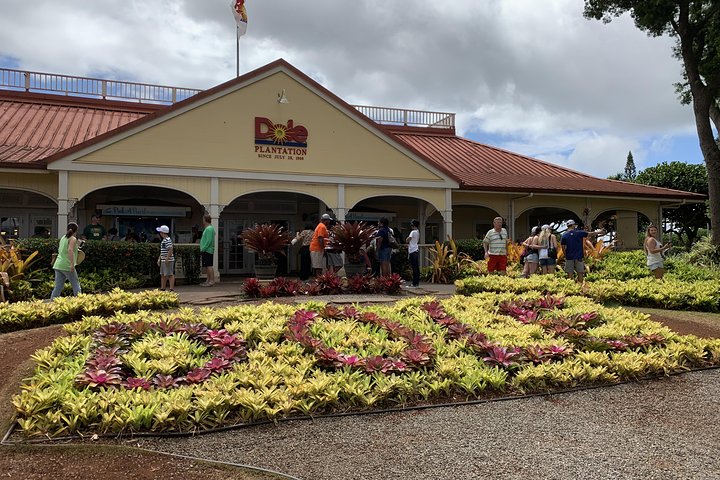
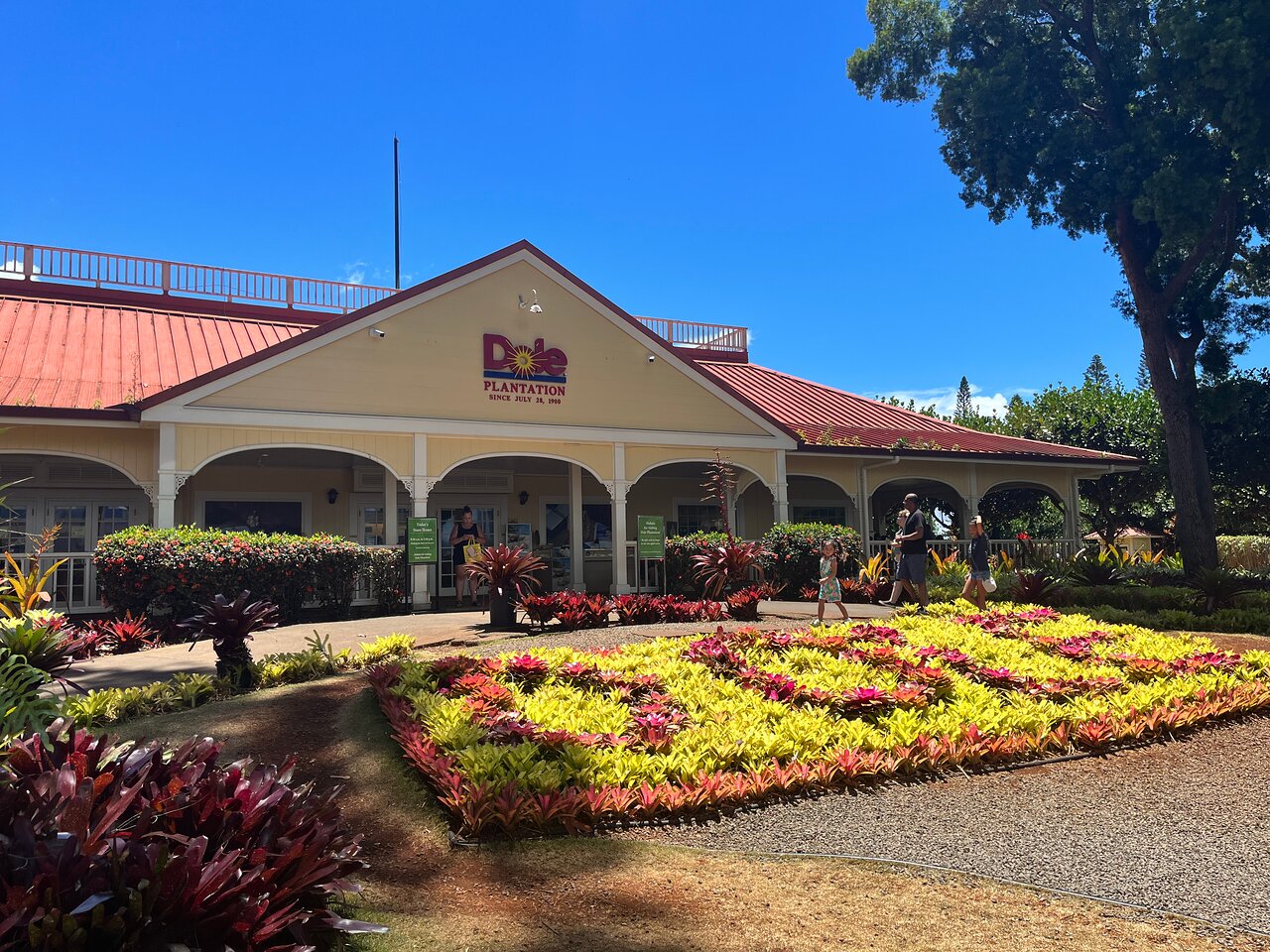
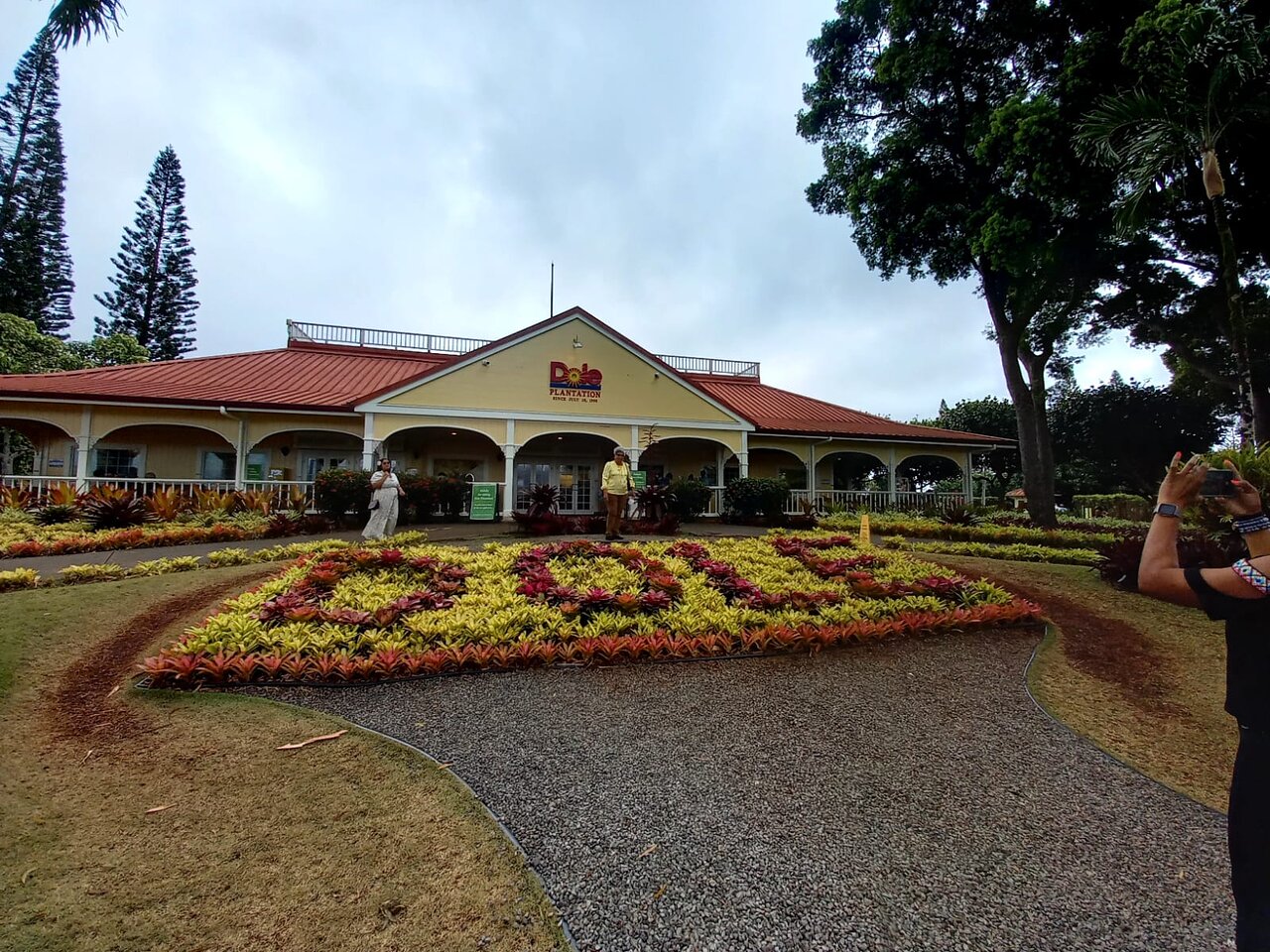
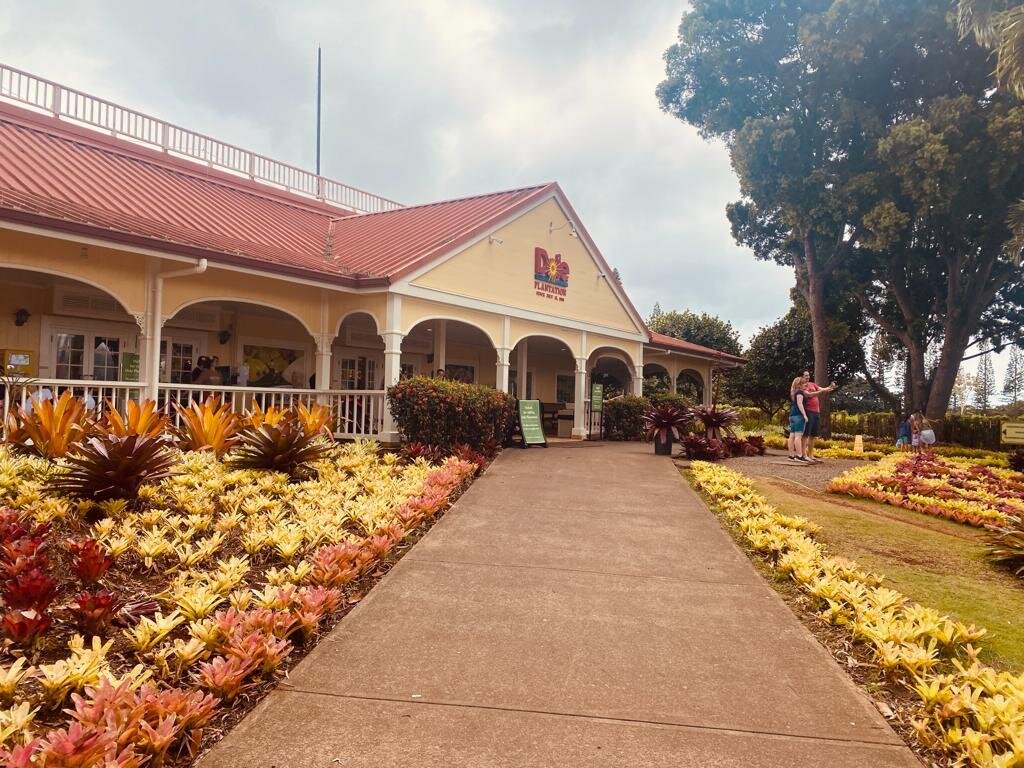
Dole Plantation
Historical Dole Pineapple Plantation.
2
Haleiwa Town Center
Old Historical Haleiwa Town
3
Hawaii State Capitol
The building is surrounded by a reflecting pool, symbolizing the Pacific Ocean. The two legislative chambers are cone-shaped, symbolizing volcanoes that formed the Hawaiian Islands. The columns around the perimeter of the building have shapes resembling royal palm trees. There are eight columns in four rows at either side of the building, representing the eight main islands of Hawaii; sets of eight items appear in other places inside and along the outside of the building. The Capitol is built with an open-air design, allowing sun, wind, and rain to enter; the central atrium opens to the sky and rainbows can sometimes be seen inside the building when it rains. Four kukui nut trees (Hawaii's state tree) are a numerical reference to the four main counties in the State of Hawaii and the four major Hawaiian gods (Kukailimoku, Kane, Lono, and Kanaloa).[2] Sets of four items appear in many other places in the building. When standing in the center of the structure, the chandeliers from both legislative chambers, which represent the sun and moon, can be seen through the glass walls, while the area that is normally reserved for a rotunda in most capitol buildings is left open to the sky. It is said that the sky is Hawaii's capitol dome. German-American artist Otto Piene designed the chandeliers, which are kinetic sculptures made of small objects. The Sun chandelier in the House is made of dozens of gold-plated globes, and the Moon chandelier in the Senate is made of 620 white chambered nautilus shells. [2]
4
Iolani Palace
The building was completed in November 1882 and cost over $340,000 — a vast fortune at the time. It measures about 140 feet (43 m) by 100 feet (30 m), and rises two stories over a raised basement to 54 feet (16 m) high.
5
King Kamehameha Statue
Before the second statue could be sent, the original was recovered by some Falkland Islanders. They sold it to the Captain of the wrecked ship for $500, and the Captain then sold it to Gibson for $875. Now Hawaii has two statues. The original stands near the legendary king's birthplace in Kapaʻau in Kohala, on the island of Hawaiʻi. The re-ordered one stands in front of Aliʻiolani Hale.[5] A third replica was commissioned when Hawaii attained statehood and was unveiled in 1969. It stood in the United States Capitol alongside the Father Damien Statue and was the heaviest statue in Statuary Hall, weighing 15,000 pounds. In 2008, shortly after Hawaii-born Barack Obama was nominated as the Democratic Party’s candidate for the presidency, the statue was moved from a dark, back row of Statuary Hall to a prominent position in Emancipation Hall in the Capitol's new visitor center.
6
Dole Plantation
Historical Dole Pineapple Plantation.
7
Haleiwa Town Center
Old Historical Haleiwa Town
8
Hawaii State Capitol
The building is surrounded by a reflecting pool, symbolizing the Pacific Ocean. The two legislative chambers are cone-shaped, symbolizing volcanoes that formed the Hawaiian Islands. The columns around the perimeter of the building have shapes resembling royal palm trees. There are eight columns in four rows at either side of the building, representing the eight main islands of Hawaii; sets of eight items appear in other places inside and along the outside of the building. The Capitol is built with an open-air design, allowing sun, wind, and rain to enter; the central atrium opens to the sky and rainbows can sometimes be seen inside the building when it rains. Four kukui nut trees (Hawaii's state tree) are a numerical reference to the four main counties in the State of Hawaii and the four major Hawaiian gods (Kukailimoku, Kane, Lono, and Kanaloa).[2] Sets of four items appear in many other places in the building. When standing in the center of the structure, the chandeliers from both legislative chambers, which represent the sun and moon, can be seen through the glass walls, while the area that is normally reserved for a rotunda in most capitol buildings is left open to the sky. It is said that the sky is Hawaii's capitol dome. German-American artist Otto Piene designed the chandeliers, which are kinetic sculptures made of small objects. The Sun chandelier in the House is made of dozens of gold-plated globes, and the Moon chandelier in the Senate is made of 620 white chambered nautilus shells. [2]
9
Iolani Palace
The building was completed in November 1882 and cost over $340,000 — a vast fortune at the time. It measures about 140 feet (43 m) by 100 feet (30 m), and rises two stories over a raised basement to 54 feet (16 m) high.
10
King Kamehameha Statue
Before the second statue could be sent, the original was recovered by some Falkland Islanders. They sold it to the Captain of the wrecked ship for $500, and the Captain then sold it to Gibson for $875. Now Hawaii has two statues. The original stands near the legendary king's birthplace in Kapaʻau in Kohala, on the island of Hawaiʻi. The re-ordered one stands in front of Aliʻiolani Hale.[5] A third replica was commissioned when Hawaii attained statehood and was unveiled in 1969. It stood in the United States Capitol alongside the Father Damien Statue and was the heaviest statue in Statuary Hall, weighing 15,000 pounds. In 2008, shortly after Hawaii-born Barack Obama was nominated as the Democratic Party’s candidate for the presidency, the statue was moved from a dark, back row of Statuary Hall to a prominent position in Emancipation Hall in the Capitol's new visitor center.
11
Dole Plantation
Historical Dole Pineapple Plantation.
12
Haleiwa Town Center
Old Historical Haleiwa Town
13
Hawaii State Capitol
The building is surrounded by a reflecting pool, symbolizing the Pacific Ocean. The two legislative chambers are cone-shaped, symbolizing volcanoes that formed the Hawaiian Islands. The columns around the perimeter of the building have shapes resembling royal palm trees. There are eight columns in four rows at either side of the building, representing the eight main islands of Hawaii; sets of eight items appear in other places inside and along the outside of the building. The Capitol is built with an open-air design, allowing sun, wind, and rain to enter; the central atrium opens to the sky and rainbows can sometimes be seen inside the building when it rains. Four kukui nut trees (Hawaii's state tree) are a numerical reference to the four main counties in the State of Hawaii and the four major Hawaiian gods (Kukailimoku, Kane, Lono, and Kanaloa).[2] Sets of four items appear in many other places in the building. When standing in the center of the structure, the chandeliers from both legislative chambers, which represent the sun and moon, can be seen through the glass walls, while the area that is normally reserved for a rotunda in most capitol buildings is left open to the sky. It is said that the sky is Hawaii's capitol dome. German-American artist Otto Piene designed the chandeliers, which are kinetic sculptures made of small objects. The Sun chandelier in the House is made of dozens of gold-plated globes, and the Moon chandelier in the Senate is made of 620 white chambered nautilus shells. [2]
14
Iolani Palace
The building was completed in November 1882 and cost over $340,000 — a vast fortune at the time. It measures about 140 feet (43 m) by 100 feet (30 m), and rises two stories over a raised basement to 54 feet (16 m) high.
15
King Kamehameha Statue
Before the second statue could be sent, the original was recovered by some Falkland Islanders. They sold it to the Captain of the wrecked ship for $500, and the Captain then sold it to Gibson for $875. Now Hawaii has two statues. The original stands near the legendary king's birthplace in Kapaʻau in Kohala, on the island of Hawaiʻi. The re-ordered one stands in front of Aliʻiolani Hale.[5] A third replica was commissioned when Hawaii attained statehood and was unveiled in 1969. It stood in the United States Capitol alongside the Father Damien Statue and was the heaviest statue in Statuary Hall, weighing 15,000 pounds. In 2008, shortly after Hawaii-born Barack Obama was nominated as the Democratic Party’s candidate for the presidency, the statue was moved from a dark, back row of Statuary Hall to a prominent position in Emancipation Hall in the Capitol's new visitor center.
16
Dole Plantation
Historical Dole Pineapple Plantation.
17
Haleiwa Town Center
Old Historical Haleiwa Town
18
Hawaii State Capitol
The building is surrounded by a reflecting pool, symbolizing the Pacific Ocean. The two legislative chambers are cone-shaped, symbolizing volcanoes that formed the Hawaiian Islands. The columns around the perimeter of the building have shapes resembling royal palm trees. There are eight columns in four rows at either side of the building, representing the eight main islands of Hawaii; sets of eight items appear in other places inside and along the outside of the building. The Capitol is built with an open-air design, allowing sun, wind, and rain to enter; the central atrium opens to the sky and rainbows can sometimes be seen inside the building when it rains. Four kukui nut trees (Hawaii's state tree) are a numerical reference to the four main counties in the State of Hawaii and the four major Hawaiian gods (Kukailimoku, Kane, Lono, and Kanaloa).[2] Sets of four items appear in many other places in the building. When standing in the center of the structure, the chandeliers from both legislative chambers, which represent the sun and moon, can be seen through the glass walls, while the area that is normally reserved for a rotunda in most capitol buildings is left open to the sky. It is said that the sky is Hawaii's capitol dome. German-American artist Otto Piene designed the chandeliers, which are kinetic sculptures made of small objects. The Sun chandelier in the House is made of dozens of gold-plated globes, and the Moon chandelier in the Senate is made of 620 white chambered nautilus shells. [2]
19
Iolani Palace
The building was completed in November 1882 and cost over $340,000 — a vast fortune at the time. It measures about 140 feet (43 m) by 100 feet (30 m), and rises two stories over a raised basement to 54 feet (16 m) high.
20
King Kamehameha Statue
Before the second statue could be sent, the original was recovered by some Falkland Islanders. They sold it to the Captain of the wrecked ship for $500, and the Captain then sold it to Gibson for $875. Now Hawaii has two statues. The original stands near the legendary king's birthplace in Kapaʻau in Kohala, on the island of Hawaiʻi. The re-ordered one stands in front of Aliʻiolani Hale.[5] A third replica was commissioned when Hawaii attained statehood and was unveiled in 1969. It stood in the United States Capitol alongside the Father Damien Statue and was the heaviest statue in Statuary Hall, weighing 15,000 pounds. In 2008, shortly after Hawaii-born Barack Obama was nominated as the Democratic Party’s candidate for the presidency, the statue was moved from a dark, back row of Statuary Hall to a prominent position in Emancipation Hall in the Capitol's new visitor center.
21
Dole Plantation
Historical Dole Pineapple Plantation.
22
Haleiwa Town Center
Old Historical Haleiwa Town
23
Hawaii State Capitol
The building is surrounded by a reflecting pool, symbolizing the Pacific Ocean. The two legislative chambers are cone-shaped, symbolizing volcanoes that formed the Hawaiian Islands. The columns around the perimeter of the building have shapes resembling royal palm trees. There are eight columns in four rows at either side of the building, representing the eight main islands of Hawaii; sets of eight items appear in other places inside and along the outside of the building. The Capitol is built with an open-air design, allowing sun, wind, and rain to enter; the central atrium opens to the sky and rainbows can sometimes be seen inside the building when it rains. Four kukui nut trees (Hawaii's state tree) are a numerical reference to the four main counties in the State of Hawaii and the four major Hawaiian gods (Kukailimoku, Kane, Lono, and Kanaloa).[2] Sets of four items appear in many other places in the building. When standing in the center of the structure, the chandeliers from both legislative chambers, which represent the sun and moon, can be seen through the glass walls, while the area that is normally reserved for a rotunda in most capitol buildings is left open to the sky. It is said that the sky is Hawaii's capitol dome. German-American artist Otto Piene designed the chandeliers, which are kinetic sculptures made of small objects. The Sun chandelier in the House is made of dozens of gold-plated globes, and the Moon chandelier in the Senate is made of 620 white chambered nautilus shells. [2]
24
Iolani Palace
The building was completed in November 1882 and cost over $340,000 — a vast fortune at the time. It measures about 140 feet (43 m) by 100 feet (30 m), and rises two stories over a raised basement to 54 feet (16 m) high.
25
King Kamehameha Statue
Before the second statue could be sent, the original was recovered by some Falkland Islanders. They sold it to the Captain of the wrecked ship for $500, and the Captain then sold it to Gibson for $875. Now Hawaii has two statues. The original stands near the legendary king's birthplace in Kapaʻau in Kohala, on the island of Hawaiʻi. The re-ordered one stands in front of Aliʻiolani Hale.[5] A third replica was commissioned when Hawaii attained statehood and was unveiled in 1969. It stood in the United States Capitol alongside the Father Damien Statue and was the heaviest statue in Statuary Hall, weighing 15,000 pounds. In 2008, shortly after Hawaii-born Barack Obama was nominated as the Democratic Party’s candidate for the presidency, the statue was moved from a dark, back row of Statuary Hall to a prominent position in Emancipation Hall in the Capitol's new visitor center.
26
Dole Plantation
Historical Dole Pineapple Plantation.
27
Haleiwa Town Center
Old Historical Haleiwa Town
28
Hawaii State Capitol
The building is surrounded by a reflecting pool, symbolizing the Pacific Ocean. The two legislative chambers are cone-shaped, symbolizing volcanoes that formed the Hawaiian Islands. The columns around the perimeter of the building have shapes resembling royal palm trees. There are eight columns in four rows at either side of the building, representing the eight main islands of Hawaii; sets of eight items appear in other places inside and along the outside of the building. The Capitol is built with an open-air design, allowing sun, wind, and rain to enter; the central atrium opens to the sky and rainbows can sometimes be seen inside the building when it rains. Four kukui nut trees (Hawaii's state tree) are a numerical reference to the four main counties in the State of Hawaii and the four major Hawaiian gods (Kukailimoku, Kane, Lono, and Kanaloa).[2] Sets of four items appear in many other places in the building. When standing in the center of the structure, the chandeliers from both legislative chambers, which represent the sun and moon, can be seen through the glass walls, while the area that is normally reserved for a rotunda in most capitol buildings is left open to the sky. It is said that the sky is Hawaii's capitol dome. German-American artist Otto Piene designed the chandeliers, which are kinetic sculptures made of small objects. The Sun chandelier in the House is made of dozens of gold-plated globes, and the Moon chandelier in the Senate is made of 620 white chambered nautilus shells. [2]
29
Iolani Palace
The building was completed in November 1882 and cost over $340,000 — a vast fortune at the time. It measures about 140 feet (43 m) by 100 feet (30 m), and rises two stories over a raised basement to 54 feet (16 m) high.
30
King Kamehameha Statue
Before the second statue could be sent, the original was recovered by some Falkland Islanders. They sold it to the Captain of the wrecked ship for $500, and the Captain then sold it to Gibson for $875. Now Hawaii has two statues. The original stands near the legendary king's birthplace in Kapaʻau in Kohala, on the island of Hawaiʻi. The re-ordered one stands in front of Aliʻiolani Hale.[5] A third replica was commissioned when Hawaii attained statehood and was unveiled in 1969. It stood in the United States Capitol alongside the Father Damien Statue and was the heaviest statue in Statuary Hall, weighing 15,000 pounds. In 2008, shortly after Hawaii-born Barack Obama was nominated as the Democratic Party’s candidate for the presidency, the statue was moved from a dark, back row of Statuary Hall to a prominent position in Emancipation Hall in the Capitol's new visitor center.
31
Plantation de Dole
Plantation historique d'ananas de Dole.
32
Centre-ville de Haleiwa
Vieille ville historique de Haleiwa
33
Capitole de l'État d'Hawaï
Le bâtiment est entouré d'un bassin réfléchissant, symbolisant l'océan Pacifique. Les deux chambres législatives sont en forme de cône, symbolisant les volcans qui ont formé les îles hawaïennes. Les colonnes autour du périmètre du bâtiment ont des formes ressemblant à des palmiers royaux. Il y a huit colonnes sur quatre rangées de chaque côté du bâtiment, représentant les huit îles principales d'Hawaï ; des ensembles de huit éléments apparaissent à d'autres endroits à l'intérieur et le long de l'extérieur du bâtiment. Le Capitole est construit avec une conception en plein air, permettant au soleil, au vent et à la pluie d'entrer ; l'atrium central s'ouvre sur le ciel et des arcs-en-ciel peuvent parfois être vus à l'intérieur du bâtiment lorsqu'il pleut. Quatre arbres à noix de kukui (arbre d'État d'Hawaï) sont une référence numérique aux quatre principaux comtés de l'État d'Hawaï et aux quatre principaux dieux hawaïens (Kukailimoku, Kane, Lono et Kanaloa).[2] Des ensembles de quatre éléments apparaissent dans de nombreux autres endroits du bâtiment. Lorsqu'ils se tiennent au centre de la structure, les lustres des deux chambres législatives, qui représentent le soleil et la lune, peuvent être vus à travers les murs de verre, tandis que la zone qui est normalement réservée à une rotonde dans la plupart des bâtiments du Capitole est laissée ouverte au ciel. On dit que le ciel est le dôme du Capitole d'Hawaï. L'artiste germano-américain Otto Piene a conçu les lustres, qui sont des sculptures cinétiques faites de petits objets. Le lustre Sun de la Chambre est composé de dizaines de globes plaqués or et le lustre Moon du Sénat est composé de 620 coquilles de nautile à chambre blanche. [2]
34
Palais Iolani
Le bâtiment a été achevé en novembre 1882 et a coûté plus de 340 000 $ - une immense fortune à l'époque. Il mesure environ 140 pieds (43 m) sur 100 pieds (30 m) et s'élève sur deux étages sur un sous-sol surélevé à 54 pieds (16 m) de haut.
35
Statue du roi Kamehameha
Avant que la deuxième statue ne puisse être envoyée, l'original a été récupéré par des insulaires des Malouines. Ils l'ont vendu au capitaine du navire naufragé pour 500 $, et le capitaine l'a ensuite vendu à Gibson pour 875 $. Hawaï a maintenant deux statues. L'original se dresse près du lieu de naissance du roi légendaire à Kapaʻau à Kohala, sur l'île d'Hawaiʻi. Le réorganisé se tient devant Aliʻiolani Hale.[5] Une troisième réplique a été commandée lorsque Hawaï a atteint le statut d'État et a été dévoilée en 1969. Elle se tenait dans le Capitole des États-Unis à côté de la statue du père Damien et était la statue la plus lourde de Statuary Hall, pesant 15 000 livres. En 2008, peu de temps après que Barack Obama, né à Hawaï, ait été nommé candidat du Parti démocrate à la présidence, la statue a été déplacée d'une rangée sombre et arrière de Statuary Hall à une position de premier plan dans Emancipation Hall dans le nouveau centre d'accueil du Capitole.
36
Dole Plantation
Historical Dole Pineapple Plantation.
37
Haleiwa Town Center
Old Historical Haleiwa Town
38
Hawaii State Capitol
The building is surrounded by a reflecting pool, symbolizing the Pacific Ocean. The two legislative chambers are cone-shaped, symbolizing volcanoes that formed the Hawaiian Islands. The columns around the perimeter of the building have shapes resembling royal palm trees. There are eight columns in four rows at either side of the building, representing the eight main islands of Hawaii; sets of eight items appear in other places inside and along the outside of the building. The Capitol is built with an open-air design, allowing sun, wind, and rain to enter; the central atrium opens to the sky and rainbows can sometimes be seen inside the building when it rains. Four kukui nut trees (Hawaii's state tree) are a numerical reference to the four main counties in the State of Hawaii and the four major Hawaiian gods (Kukailimoku, Kane, Lono, and Kanaloa).[2] Sets of four items appear in many other places in the building. When standing in the center of the structure, the chandeliers from both legislative chambers, which represent the sun and moon, can be seen through the glass walls, while the area that is normally reserved for a rotunda in most capitol buildings is left open to the sky. It is said that the sky is Hawaii's capitol dome. German-American artist Otto Piene designed the chandeliers, which are kinetic sculptures made of small objects. The Sun chandelier in the House is made of dozens of gold-plated globes, and the Moon chandelier in the Senate is made of 620 white chambered nautilus shells. [2]
39
Iolani Palace
The building was completed in November 1882 and cost over $340,000 — a vast fortune at the time. It measures about 140 feet (43 m) by 100 feet (30 m), and rises two stories over a raised basement to 54 feet (16 m) high.
40
King Kamehameha Statue
Before the second statue could be sent, the original was recovered by some Falkland Islanders. They sold it to the Captain of the wrecked ship for $500, and the Captain then sold it to Gibson for $875. Now Hawaii has two statues. The original stands near the legendary king's birthplace in Kapaʻau in Kohala, on the island of Hawaiʻi. The re-ordered one stands in front of Aliʻiolani Hale.[5] A third replica was commissioned when Hawaii attained statehood and was unveiled in 1969. It stood in the United States Capitol alongside the Father Damien Statue and was the heaviest statue in Statuary Hall, weighing 15,000 pounds. In 2008, shortly after Hawaii-born Barack Obama was nominated as the Democratic Party’s candidate for the presidency, the statue was moved from a dark, back row of Statuary Hall to a prominent position in Emancipation Hall in the Capitol's new visitor center.
41
Waimea Bay
Waimea Bay is the deepest bay on Oahu’s North Shore and the birthplace of big-wave surfing, especially in winter. Between November to February, waves reach up to 40 feet in height, challenging even the most expert surfers.
42
Haleiwa
Haleʻiwa is filled with local style and country ambiance, as well as cool surf shops and boutiques, charming art galleries and understated restaurants housed in plantation-era buildings, don't forget the famous, Matsumoto Shave Ice.
43
Sunset Beach
Known for big waves of up to 30-40 foot waves can be found here during the winter months. All the surfing contests are held on this world famous beach.
44
National Memorial Cemetery of the Pacific
Punchbowl's Hawaiian name, "Puowaina," the most common is "Hill of Sacrifice.The National Memorial Cemetery of the Pacific was established in 1948. From January 4-March 25, 1949, nearly 10,000 World War II casualties were laid to rest in the Punchbowl crater; another 1,777 were interred in June of the same year. Now, it is final resting place for World War II, Korean War, Vietnam War.
45
Dole Plantation
Historical Dole Pineapple Plantation.
46
Haleiwa Town Center
Old Historical Haleiwa Town
47
Hawaii State Capitol
The building is surrounded by a reflecting pool, symbolizing the Pacific Ocean. The two legislative chambers are cone-shaped, symbolizing volcanoes that formed the Hawaiian Islands. The columns around the perimeter of the building have shapes resembling royal palm trees. There are eight columns in four rows at either side of the building, representing the eight main islands of Hawaii; sets of eight items appear in other places inside and along the outside of the building. The Capitol is built with an open-air design, allowing sun, wind, and rain to enter; the central atrium opens to the sky and rainbows can sometimes be seen inside the building when it rains. Four kukui nut trees (Hawaii's state tree) are a numerical reference to the four main counties in the State of Hawaii and the four major Hawaiian gods (Kukailimoku, Kane, Lono, and Kanaloa).[2] Sets of four items appear in many other places in the building. When standing in the center of the structure, the chandeliers from both legislative chambers, which represent the sun and moon, can be seen through the glass walls, while the area that is normally reserved for a rotunda in most capitol buildings is left open to the sky. It is said that the sky is Hawaii's capitol dome. German-American artist Otto Piene designed the chandeliers, which are kinetic sculptures made of small objects. The Sun chandelier in the House is made of dozens of gold-plated globes, and the Moon chandelier in the Senate is made of 620 white chambered nautilus shells. [2]
48
Iolani Palace
The building was completed in November 1882 and cost over $340,000 — a vast fortune at the time. It measures about 140 feet (43 m) by 100 feet (30 m), and rises two stories over a raised basement to 54 feet (16 m) high.
49
King Kamehameha Statue
Before the second statue could be sent, the original was recovered by some Falkland Islanders. They sold it to the Captain of the wrecked ship for $500, and the Captain then sold it to Gibson for $875. Now Hawaii has two statues. The original stands near the legendary king's birthplace in Kapaʻau in Kohala, on the island of Hawaiʻi. The re-ordered one stands in front of Aliʻiolani Hale.[5] A third replica was commissioned when Hawaii attained statehood and was unveiled in 1969. It stood in the United States Capitol alongside the Father Damien Statue and was the heaviest statue in Statuary Hall, weighing 15,000 pounds. In 2008, shortly after Hawaii-born Barack Obama was nominated as the Democratic Party’s candidate for the presidency, the statue was moved from a dark, back row of Statuary Hall to a prominent position in Emancipation Hall in the Capitol's new visitor center.
50
Waimea Bay
Waimea Bay is the deepest bay on Oahu’s North Shore and the birthplace of big-wave surfing, especially in winter. Between November to February, waves reach up to 40 feet in height, challenging even the most expert surfers.
51
Haleiwa
Haleʻiwa is filled with local style and country ambiance, as well as cool surf shops and boutiques, charming art galleries and understated restaurants housed in plantation-era buildings, don't forget the famous, Matsumoto Shave Ice.
52
Sunset Beach
Known for big waves of up to 30-40 foot waves can be found here during the winter months. All the surfing contests are held on this world famous beach.
53
National Memorial Cemetery of the Pacific
Punchbowl's Hawaiian name, "Puowaina," the most common is "Hill of Sacrifice.The National Memorial Cemetery of the Pacific was established in 1948. From January 4-March 25, 1949, nearly 10,000 World War II casualties were laid to rest in the Punchbowl crater; another 1,777 were interred in June of the same year. Now, it is final resting place for World War II, Korean War, Vietnam War.
Show 50 plus d'arrêts
Politique d'annulation
All sales are final. No refund is available for cancellations.
Photos de voyageurs
Commentaires (17)
Companion16895906016
Jan 2024
Fun tourist attraction for the kids and an interesting tour for the adults. We enjoyed learning about the history of the pineapple industry.
ahpwinters
Jul 2023
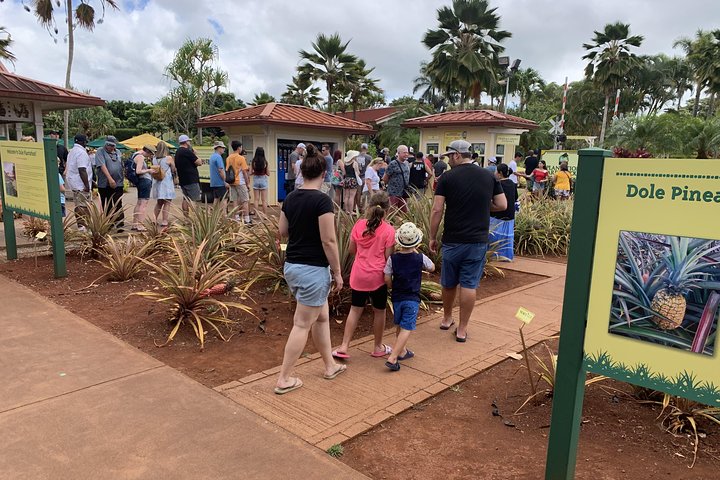
If you just want a Dole T shirt, go ahead and stop. There are LINES for everything!! Waited 2.5 hours for a 20 minute train ride. They hide the true line so you don’t know what you are in for. Wasted half a day at this place! Don’t go.
Réponse de l'hôte
Sep 2023
There is aways an option to do a private tour. You can do the tour at your own pace. Plan it exactly the way you want it have the tour guise execute it just the way your want it.
Harvey J
May 2023
Very good time. Bought several souvenirs. But never took the tour or train ride. Made it on our last day in Honolulu. Used the transit system. From Waikiki. Easy to get there. But it is time-consuming

Événements connexes

Événements dans le même quartier

Nous pensons que votre langue est English
Dans quelle langue souhaitez-vous voir cette page ?
English English
Nous pensons que votre ville est La ville de New York
Dans quelle ville souhaitez-vous explorer ?
La ville de New York
New York City