Ничего не найдено
Исследовать
Log in

Ананасовая плантация Доле, исторический город Халейва и экскурсия по Гонолулу

Обзор
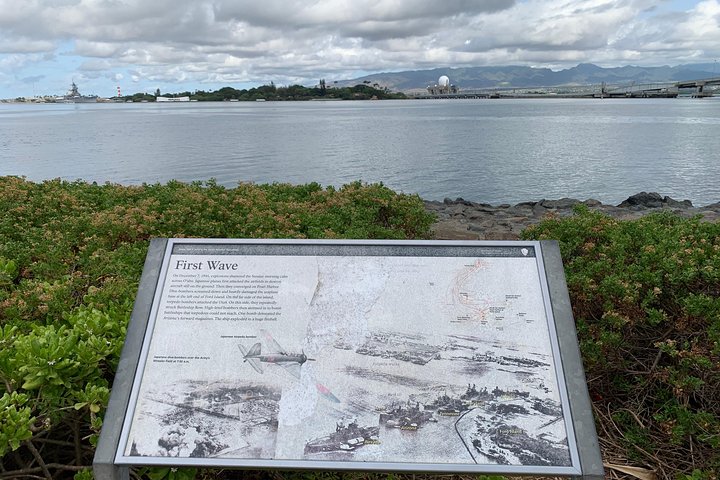
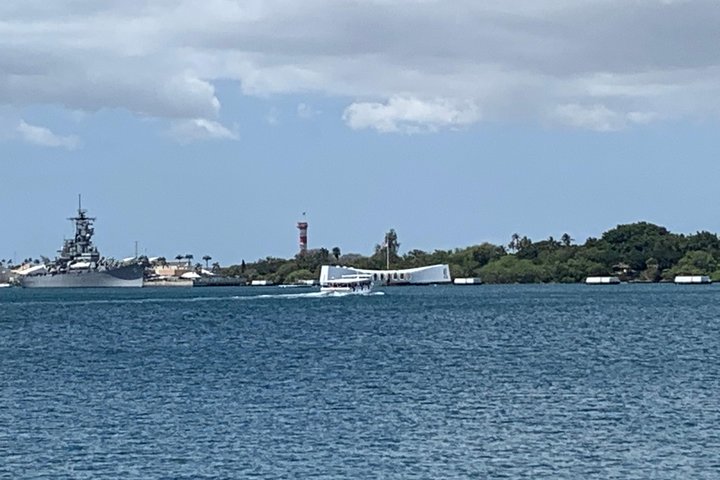
Learn the history of Hawaii and the pineapples, history of the Haleiwa, while enjoying the beautiful scenery of Northshore Oahu.

Snorkeling at a secret beach.

Require 4 guests to operate. We will be cancelling the tour if there is only 2.
Город: Гонолулу
Wed 01 Jul
i
Выбрать дату можно уже на сайте бронирования
Начинается с $199.00
Wed 01 Jul
Начинается с $199.00
Зарезервировать
Что включено
Complimentary water is provided
5 to 6 hour tour of the Oahu island
Complimentary water is provided
5 to 6 hour tour of the Oahu island
Complimentary water is provided
5 to 6 hour tour of the Oahu island
Complimentary water is provided
Дополнительная информация
  • Infants and small children can ride in a pram or stroller
  • Infants are required to sit on an adult’s lap
  • Suitable for all physical fitness levels
  • child under 5 need to have car seats.
Что ожидать
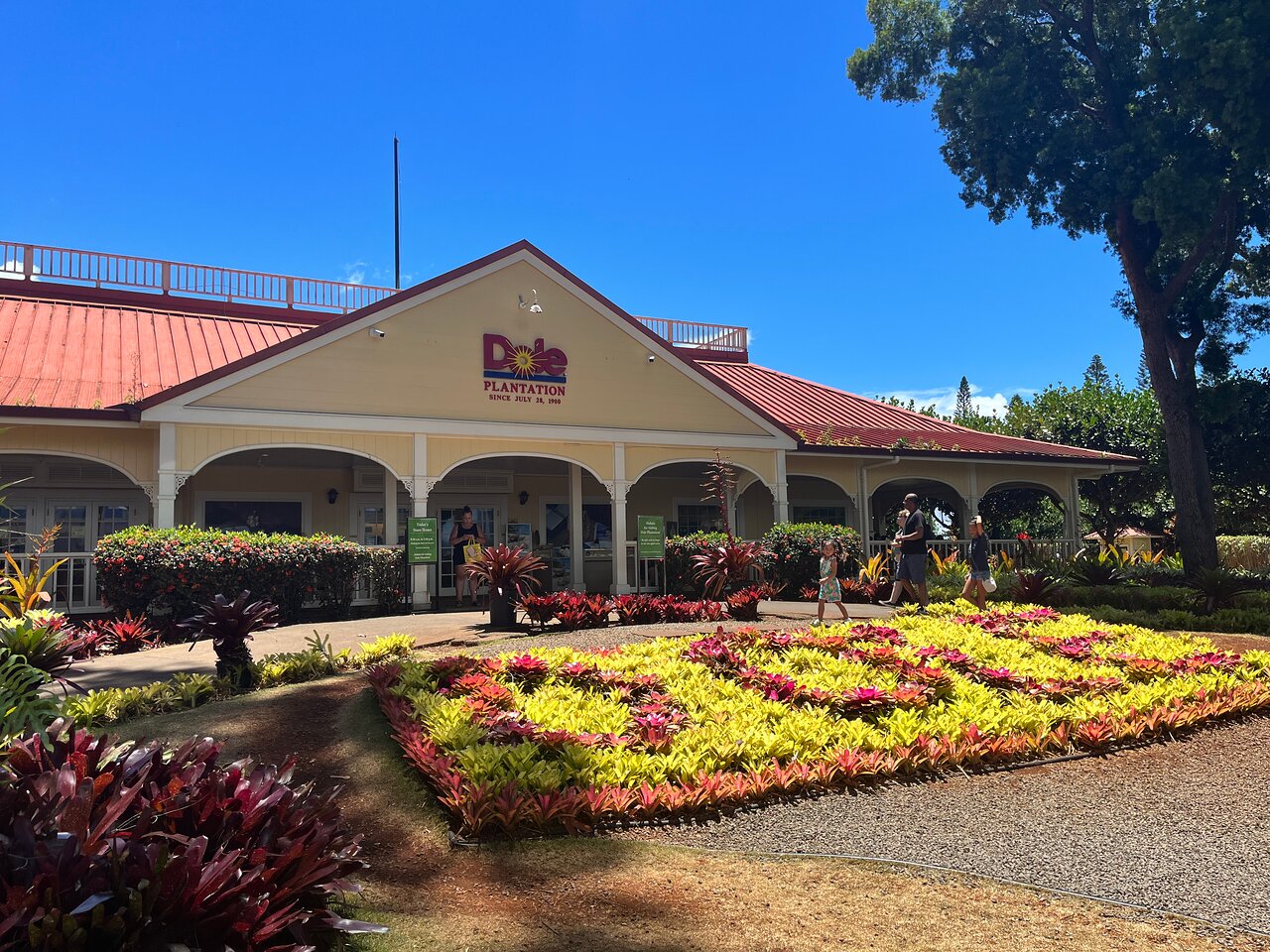
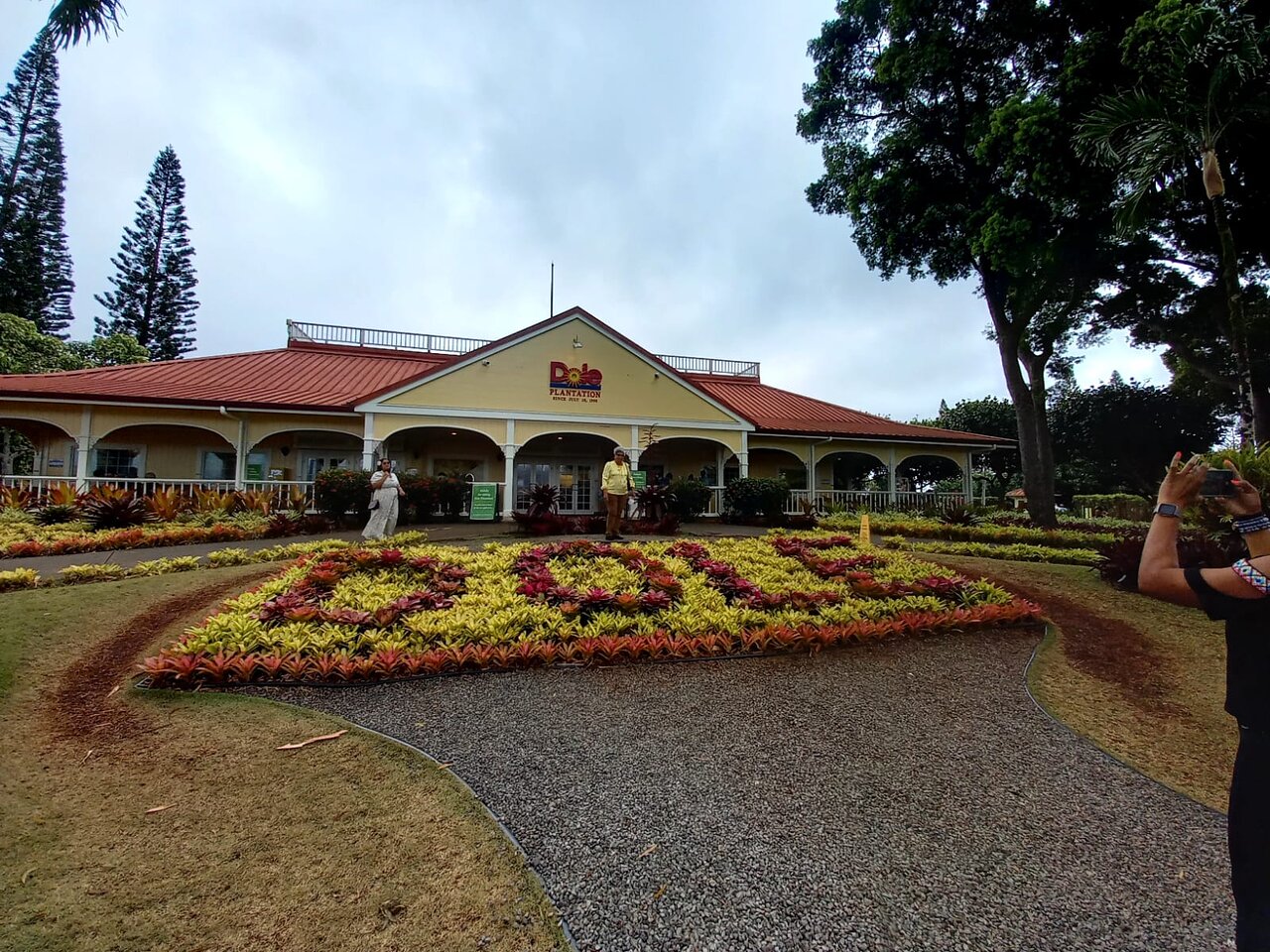
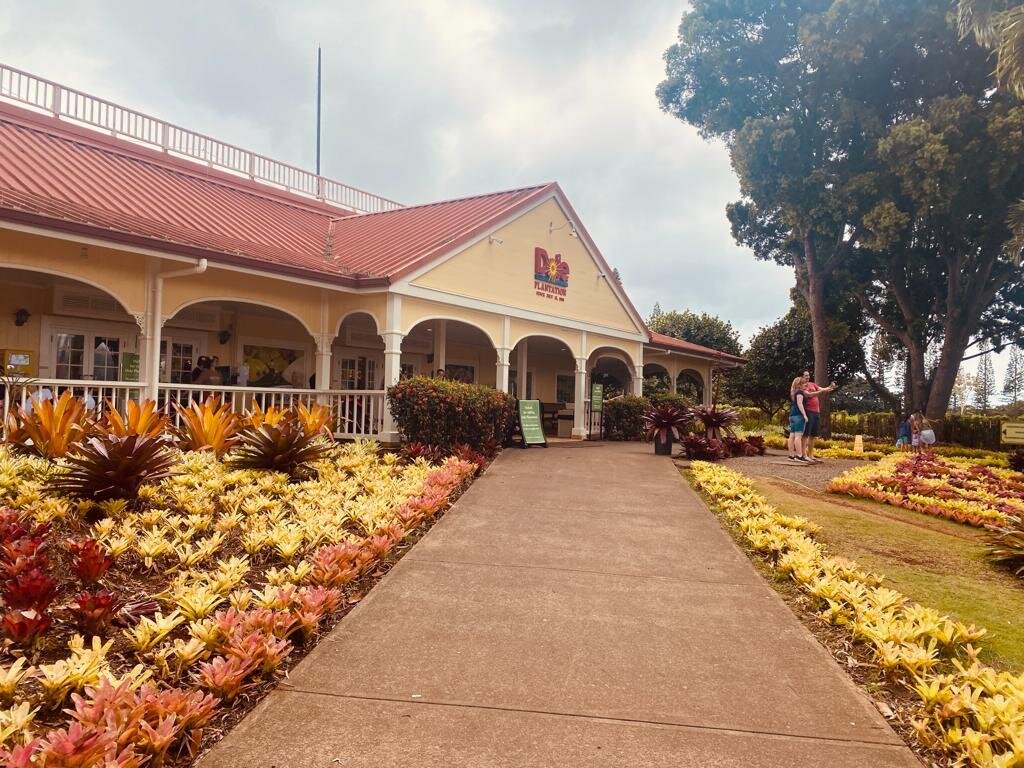
1
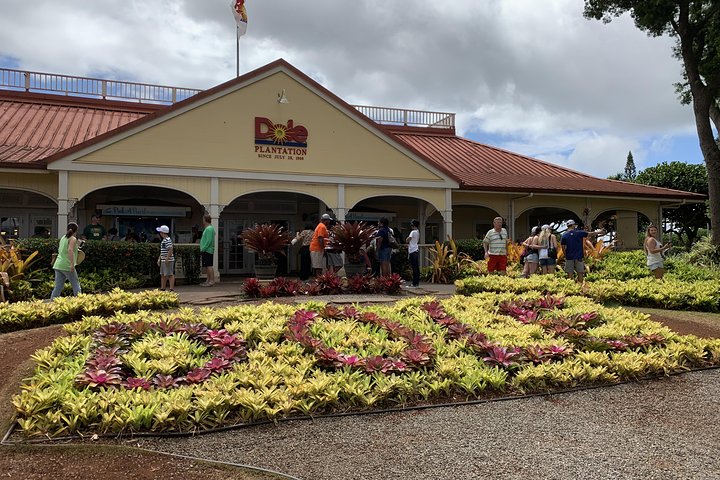
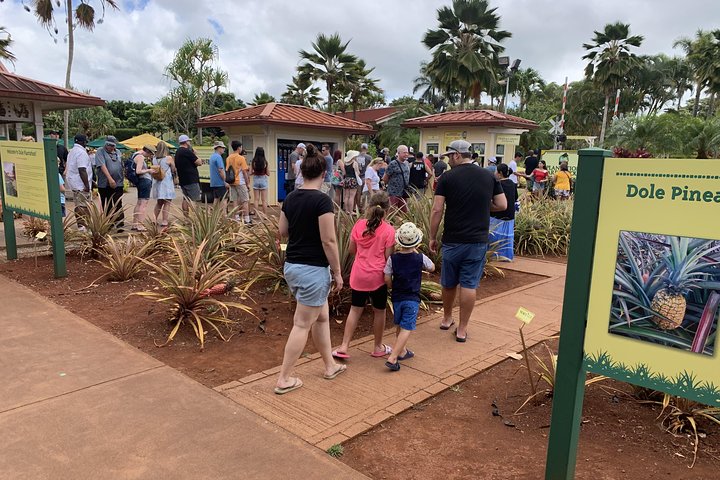
Dole Plantation
Historical Dole Pineapple Plantation.
2
Haleiwa Town Center
Old Historical Haleiwa Town
3
Hawaii State Capitol
The building is surrounded by a reflecting pool, symbolizing the Pacific Ocean. The two legislative chambers are cone-shaped, symbolizing volcanoes that formed the Hawaiian Islands. The columns around the perimeter of the building have shapes resembling royal palm trees. There are eight columns in four rows at either side of the building, representing the eight main islands of Hawaii; sets of eight items appear in other places inside and along the outside of the building. The Capitol is built with an open-air design, allowing sun, wind, and rain to enter; the central atrium opens to the sky and rainbows can sometimes be seen inside the building when it rains. Four kukui nut trees (Hawaii's state tree) are a numerical reference to the four main counties in the State of Hawaii and the four major Hawaiian gods (Kukailimoku, Kane, Lono, and Kanaloa).[2] Sets of four items appear in many other places in the building. When standing in the center of the structure, the chandeliers from both legislative chambers, which represent the sun and moon, can be seen through the glass walls, while the area that is normally reserved for a rotunda in most capitol buildings is left open to the sky. It is said that the sky is Hawaii's capitol dome. German-American artist Otto Piene designed the chandeliers, which are kinetic sculptures made of small objects. The Sun chandelier in the House is made of dozens of gold-plated globes, and the Moon chandelier in the Senate is made of 620 white chambered nautilus shells. [2]
4
Iolani Palace
The building was completed in November 1882 and cost over $340,000 — a vast fortune at the time. It measures about 140 feet (43 m) by 100 feet (30 m), and rises two stories over a raised basement to 54 feet (16 m) high.
5
King Kamehameha Statue
Before the second statue could be sent, the original was recovered by some Falkland Islanders. They sold it to the Captain of the wrecked ship for $500, and the Captain then sold it to Gibson for $875. Now Hawaii has two statues. The original stands near the legendary king's birthplace in Kapaʻau in Kohala, on the island of Hawaiʻi. The re-ordered one stands in front of Aliʻiolani Hale.[5] A third replica was commissioned when Hawaii attained statehood and was unveiled in 1969. It stood in the United States Capitol alongside the Father Damien Statue and was the heaviest statue in Statuary Hall, weighing 15,000 pounds. In 2008, shortly after Hawaii-born Barack Obama was nominated as the Democratic Party’s candidate for the presidency, the statue was moved from a dark, back row of Statuary Hall to a prominent position in Emancipation Hall in the Capitol's new visitor center.
6
Dole Plantation
Historical Dole Pineapple Plantation.
7
Haleiwa Town Center
Old Historical Haleiwa Town
8
Hawaii State Capitol
The building is surrounded by a reflecting pool, symbolizing the Pacific Ocean. The two legislative chambers are cone-shaped, symbolizing volcanoes that formed the Hawaiian Islands. The columns around the perimeter of the building have shapes resembling royal palm trees. There are eight columns in four rows at either side of the building, representing the eight main islands of Hawaii; sets of eight items appear in other places inside and along the outside of the building. The Capitol is built with an open-air design, allowing sun, wind, and rain to enter; the central atrium opens to the sky and rainbows can sometimes be seen inside the building when it rains. Four kukui nut trees (Hawaii's state tree) are a numerical reference to the four main counties in the State of Hawaii and the four major Hawaiian gods (Kukailimoku, Kane, Lono, and Kanaloa).[2] Sets of four items appear in many other places in the building. When standing in the center of the structure, the chandeliers from both legislative chambers, which represent the sun and moon, can be seen through the glass walls, while the area that is normally reserved for a rotunda in most capitol buildings is left open to the sky. It is said that the sky is Hawaii's capitol dome. German-American artist Otto Piene designed the chandeliers, which are kinetic sculptures made of small objects. The Sun chandelier in the House is made of dozens of gold-plated globes, and the Moon chandelier in the Senate is made of 620 white chambered nautilus shells. [2]
9
Iolani Palace
The building was completed in November 1882 and cost over $340,000 — a vast fortune at the time. It measures about 140 feet (43 m) by 100 feet (30 m), and rises two stories over a raised basement to 54 feet (16 m) high.
10
King Kamehameha Statue
Before the second statue could be sent, the original was recovered by some Falkland Islanders. They sold it to the Captain of the wrecked ship for $500, and the Captain then sold it to Gibson for $875. Now Hawaii has two statues. The original stands near the legendary king's birthplace in Kapaʻau in Kohala, on the island of Hawaiʻi. The re-ordered one stands in front of Aliʻiolani Hale.[5] A third replica was commissioned when Hawaii attained statehood and was unveiled in 1969. It stood in the United States Capitol alongside the Father Damien Statue and was the heaviest statue in Statuary Hall, weighing 15,000 pounds. In 2008, shortly after Hawaii-born Barack Obama was nominated as the Democratic Party’s candidate for the presidency, the statue was moved from a dark, back row of Statuary Hall to a prominent position in Emancipation Hall in the Capitol's new visitor center.
11
Dole Plantation
Historical Dole Pineapple Plantation.
12
Haleiwa Town Center
Old Historical Haleiwa Town
13
Hawaii State Capitol
The building is surrounded by a reflecting pool, symbolizing the Pacific Ocean. The two legislative chambers are cone-shaped, symbolizing volcanoes that formed the Hawaiian Islands. The columns around the perimeter of the building have shapes resembling royal palm trees. There are eight columns in four rows at either side of the building, representing the eight main islands of Hawaii; sets of eight items appear in other places inside and along the outside of the building. The Capitol is built with an open-air design, allowing sun, wind, and rain to enter; the central atrium opens to the sky and rainbows can sometimes be seen inside the building when it rains. Four kukui nut trees (Hawaii's state tree) are a numerical reference to the four main counties in the State of Hawaii and the four major Hawaiian gods (Kukailimoku, Kane, Lono, and Kanaloa).[2] Sets of four items appear in many other places in the building. When standing in the center of the structure, the chandeliers from both legislative chambers, which represent the sun and moon, can be seen through the glass walls, while the area that is normally reserved for a rotunda in most capitol buildings is left open to the sky. It is said that the sky is Hawaii's capitol dome. German-American artist Otto Piene designed the chandeliers, which are kinetic sculptures made of small objects. The Sun chandelier in the House is made of dozens of gold-plated globes, and the Moon chandelier in the Senate is made of 620 white chambered nautilus shells. [2]
14
Iolani Palace
The building was completed in November 1882 and cost over $340,000 — a vast fortune at the time. It measures about 140 feet (43 m) by 100 feet (30 m), and rises two stories over a raised basement to 54 feet (16 m) high.
15
King Kamehameha Statue
Before the second statue could be sent, the original was recovered by some Falkland Islanders. They sold it to the Captain of the wrecked ship for $500, and the Captain then sold it to Gibson for $875. Now Hawaii has two statues. The original stands near the legendary king's birthplace in Kapaʻau in Kohala, on the island of Hawaiʻi. The re-ordered one stands in front of Aliʻiolani Hale.[5] A third replica was commissioned when Hawaii attained statehood and was unveiled in 1969. It stood in the United States Capitol alongside the Father Damien Statue and was the heaviest statue in Statuary Hall, weighing 15,000 pounds. In 2008, shortly after Hawaii-born Barack Obama was nominated as the Democratic Party’s candidate for the presidency, the statue was moved from a dark, back row of Statuary Hall to a prominent position in Emancipation Hall in the Capitol's new visitor center.
16
Dole Plantation
Historical Dole Pineapple Plantation.
17
Haleiwa Town Center
Old Historical Haleiwa Town
18
Hawaii State Capitol
The building is surrounded by a reflecting pool, symbolizing the Pacific Ocean. The two legislative chambers are cone-shaped, symbolizing volcanoes that formed the Hawaiian Islands. The columns around the perimeter of the building have shapes resembling royal palm trees. There are eight columns in four rows at either side of the building, representing the eight main islands of Hawaii; sets of eight items appear in other places inside and along the outside of the building. The Capitol is built with an open-air design, allowing sun, wind, and rain to enter; the central atrium opens to the sky and rainbows can sometimes be seen inside the building when it rains. Four kukui nut trees (Hawaii's state tree) are a numerical reference to the four main counties in the State of Hawaii and the four major Hawaiian gods (Kukailimoku, Kane, Lono, and Kanaloa).[2] Sets of four items appear in many other places in the building. When standing in the center of the structure, the chandeliers from both legislative chambers, which represent the sun and moon, can be seen through the glass walls, while the area that is normally reserved for a rotunda in most capitol buildings is left open to the sky. It is said that the sky is Hawaii's capitol dome. German-American artist Otto Piene designed the chandeliers, which are kinetic sculptures made of small objects. The Sun chandelier in the House is made of dozens of gold-plated globes, and the Moon chandelier in the Senate is made of 620 white chambered nautilus shells. [2]
19
Iolani Palace
The building was completed in November 1882 and cost over $340,000 — a vast fortune at the time. It measures about 140 feet (43 m) by 100 feet (30 m), and rises two stories over a raised basement to 54 feet (16 m) high.
20
King Kamehameha Statue
Before the second statue could be sent, the original was recovered by some Falkland Islanders. They sold it to the Captain of the wrecked ship for $500, and the Captain then sold it to Gibson for $875. Now Hawaii has two statues. The original stands near the legendary king's birthplace in Kapaʻau in Kohala, on the island of Hawaiʻi. The re-ordered one stands in front of Aliʻiolani Hale.[5] A third replica was commissioned when Hawaii attained statehood and was unveiled in 1969. It stood in the United States Capitol alongside the Father Damien Statue and was the heaviest statue in Statuary Hall, weighing 15,000 pounds. In 2008, shortly after Hawaii-born Barack Obama was nominated as the Democratic Party’s candidate for the presidency, the statue was moved from a dark, back row of Statuary Hall to a prominent position in Emancipation Hall in the Capitol's new visitor center.
21
Dole Plantation
Historical Dole Pineapple Plantation.
22
Haleiwa Town Center
Old Historical Haleiwa Town
23
Hawaii State Capitol
The building is surrounded by a reflecting pool, symbolizing the Pacific Ocean. The two legislative chambers are cone-shaped, symbolizing volcanoes that formed the Hawaiian Islands. The columns around the perimeter of the building have shapes resembling royal palm trees. There are eight columns in four rows at either side of the building, representing the eight main islands of Hawaii; sets of eight items appear in other places inside and along the outside of the building. The Capitol is built with an open-air design, allowing sun, wind, and rain to enter; the central atrium opens to the sky and rainbows can sometimes be seen inside the building when it rains. Four kukui nut trees (Hawaii's state tree) are a numerical reference to the four main counties in the State of Hawaii and the four major Hawaiian gods (Kukailimoku, Kane, Lono, and Kanaloa).[2] Sets of four items appear in many other places in the building. When standing in the center of the structure, the chandeliers from both legislative chambers, which represent the sun and moon, can be seen through the glass walls, while the area that is normally reserved for a rotunda in most capitol buildings is left open to the sky. It is said that the sky is Hawaii's capitol dome. German-American artist Otto Piene designed the chandeliers, which are kinetic sculptures made of small objects. The Sun chandelier in the House is made of dozens of gold-plated globes, and the Moon chandelier in the Senate is made of 620 white chambered nautilus shells. [2]
24
Iolani Palace
The building was completed in November 1882 and cost over $340,000 — a vast fortune at the time. It measures about 140 feet (43 m) by 100 feet (30 m), and rises two stories over a raised basement to 54 feet (16 m) high.
25
King Kamehameha Statue
Before the second statue could be sent, the original was recovered by some Falkland Islanders. They sold it to the Captain of the wrecked ship for $500, and the Captain then sold it to Gibson for $875. Now Hawaii has two statues. The original stands near the legendary king's birthplace in Kapaʻau in Kohala, on the island of Hawaiʻi. The re-ordered one stands in front of Aliʻiolani Hale.[5] A third replica was commissioned when Hawaii attained statehood and was unveiled in 1969. It stood in the United States Capitol alongside the Father Damien Statue and was the heaviest statue in Statuary Hall, weighing 15,000 pounds. In 2008, shortly after Hawaii-born Barack Obama was nominated as the Democratic Party’s candidate for the presidency, the statue was moved from a dark, back row of Statuary Hall to a prominent position in Emancipation Hall in the Capitol's new visitor center.
26
Dole Plantation
Historical Dole Pineapple Plantation.
27
Haleiwa Town Center
Old Historical Haleiwa Town
28
Hawaii State Capitol
The building is surrounded by a reflecting pool, symbolizing the Pacific Ocean. The two legislative chambers are cone-shaped, symbolizing volcanoes that formed the Hawaiian Islands. The columns around the perimeter of the building have shapes resembling royal palm trees. There are eight columns in four rows at either side of the building, representing the eight main islands of Hawaii; sets of eight items appear in other places inside and along the outside of the building. The Capitol is built with an open-air design, allowing sun, wind, and rain to enter; the central atrium opens to the sky and rainbows can sometimes be seen inside the building when it rains. Four kukui nut trees (Hawaii's state tree) are a numerical reference to the four main counties in the State of Hawaii and the four major Hawaiian gods (Kukailimoku, Kane, Lono, and Kanaloa).[2] Sets of four items appear in many other places in the building. When standing in the center of the structure, the chandeliers from both legislative chambers, which represent the sun and moon, can be seen through the glass walls, while the area that is normally reserved for a rotunda in most capitol buildings is left open to the sky. It is said that the sky is Hawaii's capitol dome. German-American artist Otto Piene designed the chandeliers, which are kinetic sculptures made of small objects. The Sun chandelier in the House is made of dozens of gold-plated globes, and the Moon chandelier in the Senate is made of 620 white chambered nautilus shells. [2]
29
Iolani Palace
The building was completed in November 1882 and cost over $340,000 — a vast fortune at the time. It measures about 140 feet (43 m) by 100 feet (30 m), and rises two stories over a raised basement to 54 feet (16 m) high.
30
King Kamehameha Statue
Before the second statue could be sent, the original was recovered by some Falkland Islanders. They sold it to the Captain of the wrecked ship for $500, and the Captain then sold it to Gibson for $875. Now Hawaii has two statues. The original stands near the legendary king's birthplace in Kapaʻau in Kohala, on the island of Hawaiʻi. The re-ordered one stands in front of Aliʻiolani Hale.[5] A third replica was commissioned when Hawaii attained statehood and was unveiled in 1969. It stood in the United States Capitol alongside the Father Damien Statue and was the heaviest statue in Statuary Hall, weighing 15,000 pounds. In 2008, shortly after Hawaii-born Barack Obama was nominated as the Democratic Party’s candidate for the presidency, the statue was moved from a dark, back row of Statuary Hall to a prominent position in Emancipation Hall in the Capitol's new visitor center.
31
Плантация Доул
Историческая плантация ананасов Dole.
32
Центр города Халейва
Старый исторический город Халейва
33
Капитолий штата Гавайи
Здание окружено отражающим бассейном, символизирующим Тихий океан. Две законодательные палаты имеют форму конуса, символизирующего вулканы, образовавшие Гавайские острова. Колонны по периметру здания имеют формы, напоминающие королевские пальмы. По обеим сторонам здания в четыре ряда расположены восемь колонн, представляющих восемь основных островов Гавайев; наборы из восьми предметов появляются в других местах внутри и снаружи здания. Капитолий построен под открытым небом, что позволяет проникать солнцу, ветру и дождю; центральный атриум открывается небу, и во время дождя внутри здания иногда можно увидеть радугу. Четыре ореховых дерева кукуи (дерево штата Гавайи) — это числовая ссылка на четыре основных округа в штате Гавайи и четыре главных гавайских бога (Кукаилимоку, Кане, Лоно и Каналоа).[2] Наборы из четырех предметов появляются во многих других местах здания. Стоя в центре сооружения, сквозь стеклянные стены можно увидеть люстры из обеих палат законодательных органов, символизирующие солнце и луну, в то время как пространство, обычно предназначенное для ротонды в большинстве зданий Капитолия, остается открытым для небо. Говорят, что небо — это купол Капитолия Гавайев. Немецко-американский художник Отто Пиене разработал люстры, представляющие собой кинетические скульптуры из небольших предметов. Люстра «Солнце» в Доме сделана из десятков позолоченных глобусов, а люстра «Луна» в Сенате сделана из 620 раковин наутилуса с белыми камерами. [2]
34
Иолани Палас
Здание было завершено в ноябре 1882 года и стоило более 340 000 долларов — огромное состояние по тем временам. Он имеет размеры около 140 футов (43 м) на 100 футов (30 м) и возвышается на два этажа над приподнятым подвалом до 54 футов (16 м) в высоту.
35
Статуя короля Камехамеха
Прежде чем вторую статую можно было отправить, оригинал был обнаружен некоторыми жителями Фолклендских островов. Они продали его капитану потерпевшего крушение корабля за 500 долларов, а затем капитан продал его Гибсону за 875 долларов. Сейчас на Гавайях две статуи. Оригинал стоит рядом с местом рождения легендарного короля в Капаау в Коала, на острове Гавайи. Заказанный повторно стоит перед Алиолани Хейл. Третья копия была заказана, когда Гавайи получили статус штата, и была открыта в 1969 году. Она стояла в Капитолии Соединенных Штатов рядом со статуей отца Дэмиена и была самой тяжелой статуей в Скульптурном зале, ее вес составлял 15 000 фунтов. В 2008 году, вскоре после того, как уроженец Гавайев Барак Обама был выдвинут кандидатом от Демократической партии на пост президента, статуя была перенесена из темного заднего ряда Скульптурного зала на видное место в Зале эмансипации в новом центре для посетителей Капитолия.
36
Dole Plantation
Historical Dole Pineapple Plantation.
37
Haleiwa Town Center
Old Historical Haleiwa Town
38
Hawaii State Capitol
The building is surrounded by a reflecting pool, symbolizing the Pacific Ocean. The two legislative chambers are cone-shaped, symbolizing volcanoes that formed the Hawaiian Islands. The columns around the perimeter of the building have shapes resembling royal palm trees. There are eight columns in four rows at either side of the building, representing the eight main islands of Hawaii; sets of eight items appear in other places inside and along the outside of the building. The Capitol is built with an open-air design, allowing sun, wind, and rain to enter; the central atrium opens to the sky and rainbows can sometimes be seen inside the building when it rains. Four kukui nut trees (Hawaii's state tree) are a numerical reference to the four main counties in the State of Hawaii and the four major Hawaiian gods (Kukailimoku, Kane, Lono, and Kanaloa).[2] Sets of four items appear in many other places in the building. When standing in the center of the structure, the chandeliers from both legislative chambers, which represent the sun and moon, can be seen through the glass walls, while the area that is normally reserved for a rotunda in most capitol buildings is left open to the sky. It is said that the sky is Hawaii's capitol dome. German-American artist Otto Piene designed the chandeliers, which are kinetic sculptures made of small objects. The Sun chandelier in the House is made of dozens of gold-plated globes, and the Moon chandelier in the Senate is made of 620 white chambered nautilus shells. [2]
39
Iolani Palace
The building was completed in November 1882 and cost over $340,000 — a vast fortune at the time. It measures about 140 feet (43 m) by 100 feet (30 m), and rises two stories over a raised basement to 54 feet (16 m) high.
40
King Kamehameha Statue
Before the second statue could be sent, the original was recovered by some Falkland Islanders. They sold it to the Captain of the wrecked ship for $500, and the Captain then sold it to Gibson for $875. Now Hawaii has two statues. The original stands near the legendary king's birthplace in Kapaʻau in Kohala, on the island of Hawaiʻi. The re-ordered one stands in front of Aliʻiolani Hale.[5] A third replica was commissioned when Hawaii attained statehood and was unveiled in 1969. It stood in the United States Capitol alongside the Father Damien Statue and was the heaviest statue in Statuary Hall, weighing 15,000 pounds. In 2008, shortly after Hawaii-born Barack Obama was nominated as the Democratic Party’s candidate for the presidency, the statue was moved from a dark, back row of Statuary Hall to a prominent position in Emancipation Hall in the Capitol's new visitor center.
41
Waimea Bay
Waimea Bay is the deepest bay on Oahu’s North Shore and the birthplace of big-wave surfing, especially in winter. Between November to February, waves reach up to 40 feet in height, challenging even the most expert surfers.
42
Haleiwa
Haleʻiwa is filled with local style and country ambiance, as well as cool surf shops and boutiques, charming art galleries and understated restaurants housed in plantation-era buildings, don't forget the famous, Matsumoto Shave Ice.
43
Sunset Beach
Known for big waves of up to 30-40 foot waves can be found here during the winter months. All the surfing contests are held on this world famous beach.
44
National Memorial Cemetery of the Pacific
Punchbowl's Hawaiian name, "Puowaina," the most common is "Hill of Sacrifice.The National Memorial Cemetery of the Pacific was established in 1948. From January 4-March 25, 1949, nearly 10,000 World War II casualties were laid to rest in the Punchbowl crater; another 1,777 were interred in June of the same year. Now, it is final resting place for World War II, Korean War, Vietnam War.
45
Dole Plantation
Historical Dole Pineapple Plantation.
46
Haleiwa Town Center
Old Historical Haleiwa Town
47
Hawaii State Capitol
The building is surrounded by a reflecting pool, symbolizing the Pacific Ocean. The two legislative chambers are cone-shaped, symbolizing volcanoes that formed the Hawaiian Islands. The columns around the perimeter of the building have shapes resembling royal palm trees. There are eight columns in four rows at either side of the building, representing the eight main islands of Hawaii; sets of eight items appear in other places inside and along the outside of the building. The Capitol is built with an open-air design, allowing sun, wind, and rain to enter; the central atrium opens to the sky and rainbows can sometimes be seen inside the building when it rains. Four kukui nut trees (Hawaii's state tree) are a numerical reference to the four main counties in the State of Hawaii and the four major Hawaiian gods (Kukailimoku, Kane, Lono, and Kanaloa).[2] Sets of four items appear in many other places in the building. When standing in the center of the structure, the chandeliers from both legislative chambers, which represent the sun and moon, can be seen through the glass walls, while the area that is normally reserved for a rotunda in most capitol buildings is left open to the sky. It is said that the sky is Hawaii's capitol dome. German-American artist Otto Piene designed the chandeliers, which are kinetic sculptures made of small objects. The Sun chandelier in the House is made of dozens of gold-plated globes, and the Moon chandelier in the Senate is made of 620 white chambered nautilus shells. [2]
48
Iolani Palace
The building was completed in November 1882 and cost over $340,000 — a vast fortune at the time. It measures about 140 feet (43 m) by 100 feet (30 m), and rises two stories over a raised basement to 54 feet (16 m) high.
49
King Kamehameha Statue
Before the second statue could be sent, the original was recovered by some Falkland Islanders. They sold it to the Captain of the wrecked ship for $500, and the Captain then sold it to Gibson for $875. Now Hawaii has two statues. The original stands near the legendary king's birthplace in Kapaʻau in Kohala, on the island of Hawaiʻi. The re-ordered one stands in front of Aliʻiolani Hale.[5] A third replica was commissioned when Hawaii attained statehood and was unveiled in 1969. It stood in the United States Capitol alongside the Father Damien Statue and was the heaviest statue in Statuary Hall, weighing 15,000 pounds. In 2008, shortly after Hawaii-born Barack Obama was nominated as the Democratic Party’s candidate for the presidency, the statue was moved from a dark, back row of Statuary Hall to a prominent position in Emancipation Hall in the Capitol's new visitor center.
50
Waimea Bay
Waimea Bay is the deepest bay on Oahu’s North Shore and the birthplace of big-wave surfing, especially in winter. Between November to February, waves reach up to 40 feet in height, challenging even the most expert surfers.
51
Haleiwa
Haleʻiwa is filled with local style and country ambiance, as well as cool surf shops and boutiques, charming art galleries and understated restaurants housed in plantation-era buildings, don't forget the famous, Matsumoto Shave Ice.
52
Sunset Beach
Known for big waves of up to 30-40 foot waves can be found here during the winter months. All the surfing contests are held on this world famous beach.
53
National Memorial Cemetery of the Pacific
Punchbowl's Hawaiian name, "Puowaina," the most common is "Hill of Sacrifice.The National Memorial Cemetery of the Pacific was established in 1948. From January 4-March 25, 1949, nearly 10,000 World War II casualties were laid to rest in the Punchbowl crater; another 1,777 were interred in June of the same year. Now, it is final resting place for World War II, Korean War, Vietnam War.
Показать 50 больше остановок
Политика отмены
All sales are final. No refund is available for cancellations.
Фотографии путешественников
Отзывы (17)
Companion16895906016
Jan 2024
Fun tourist attraction for the kids and an interesting tour for the adults. We enjoyed learning about the history of the pineapple industry.
ahpwinters
Jul 2023
If you just want a Dole T shirt, go ahead and stop. There are LINES for everything!! Waited 2.5 hours for a 20 minute train ride. They hide the true line so you don’t know what you are in for. Wasted half a day at this place! Don’t go.
Ответ от хоста
Sep 2023
There is aways an option to do a private tour. You can do the tour at your own pace. Plan it exactly the way you want it have the tour guise execute it just the way your want it.
Harvey J
May 2023
Very good time. Bought several souvenirs. But never took the tour or train ride. Made it on our last day in Honolulu. Used the transit system. From Waikiki. Easy to get there. But it is time-consuming

Связанные события

События в том же районе

Мы думаем, что ваш язык English
На каком языке вы хотели бы видеть эту страницу?
English English
Мы думаем, что ваш город Нью-Йорк
В каком городе вы бы хотели исследовать?
Нью-Йорк
New York City