Ништа није пронађено
Истражите
Log in

Плантажа ананаса Доле, историјски град Халеива и обилазак града Хонолулуа

Преглед
Learn the history of Hawaii and the pineapples, history of the Haleiwa, while enjoying the beautiful scenery of Northshore Oahu.

Snorkeling at a secret beach.

Require 4 guests to operate. We will be cancelling the tour if there is only 2.
Цити: Хонолулу
Fri 09 Jan
i
Можете одабрати датум већ на веб страници за резервације
Са почетком у $199.00
Fri 09 Jan
Са почетком у $199.00
Резервисати
Шта је укључено
Обезбеђена је бесплатна вода
Обилазак острва Оаху од 5 до 6 сати
Complimentary water is provided
small group tour
bag of chips
Air-conditioned vehicle
5-6 hour tour of the Oahu island
Додатне информације
  • Infants and small children can ride in a pram or stroller
  • Infants are required to sit on an adult’s lap
  • Suitable for all physical fitness levels
  • child under 5 need to have car seats.
Шта да очекујете
1
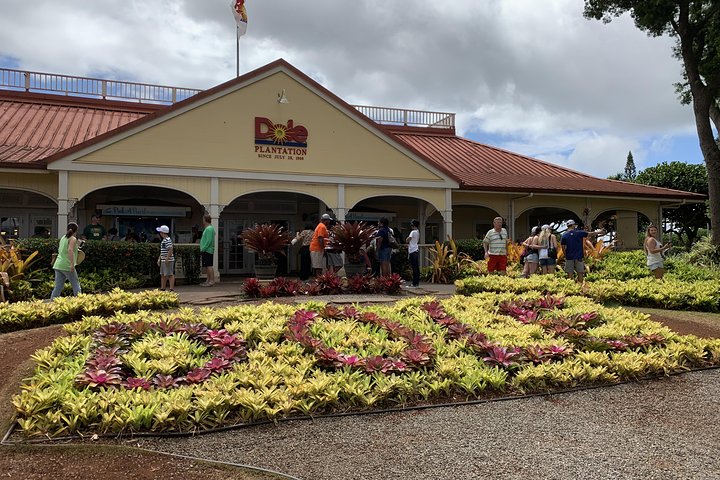
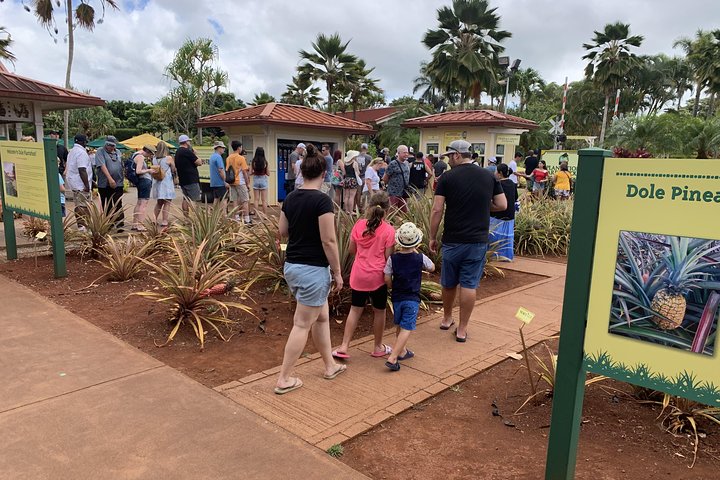
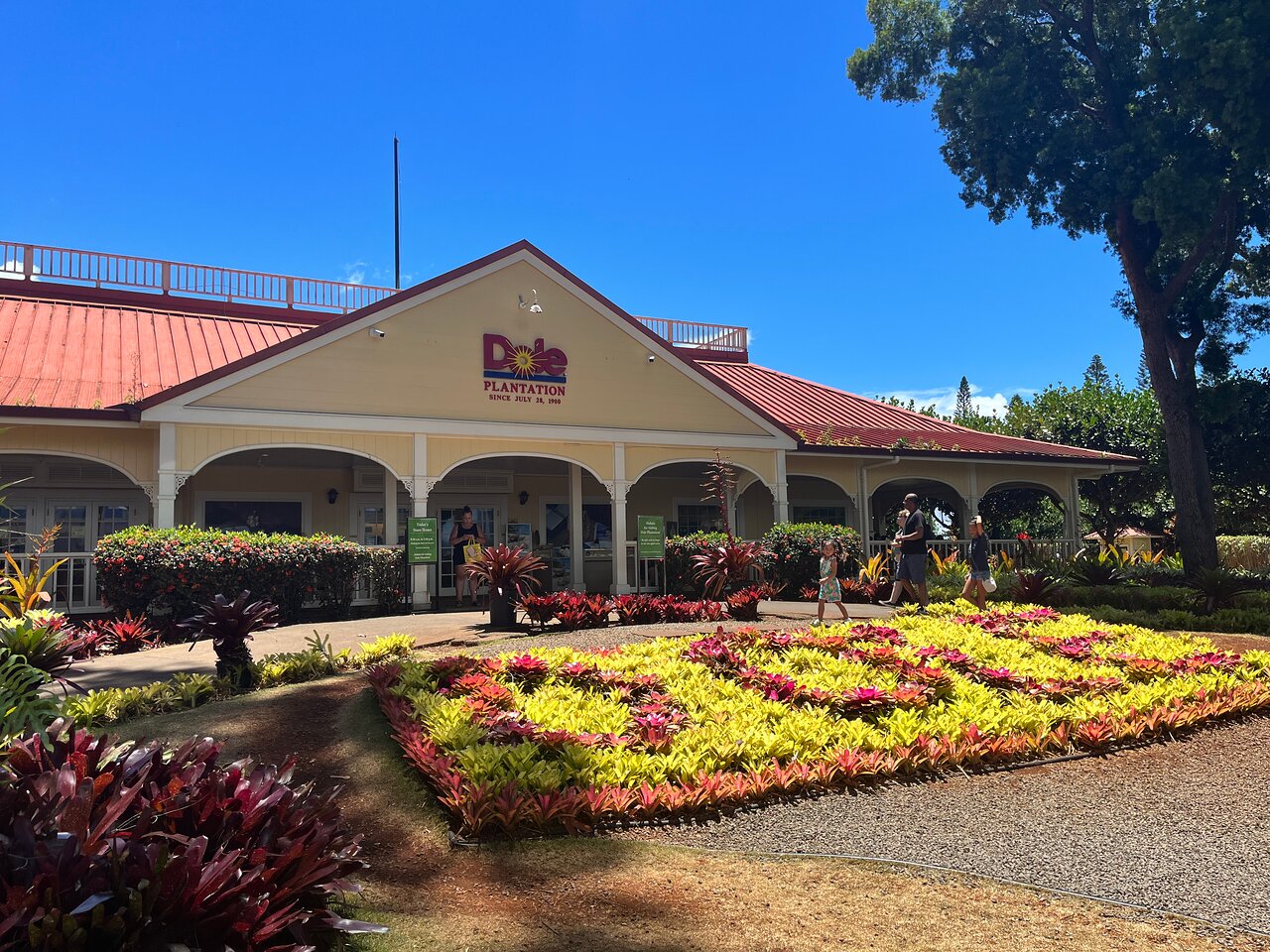
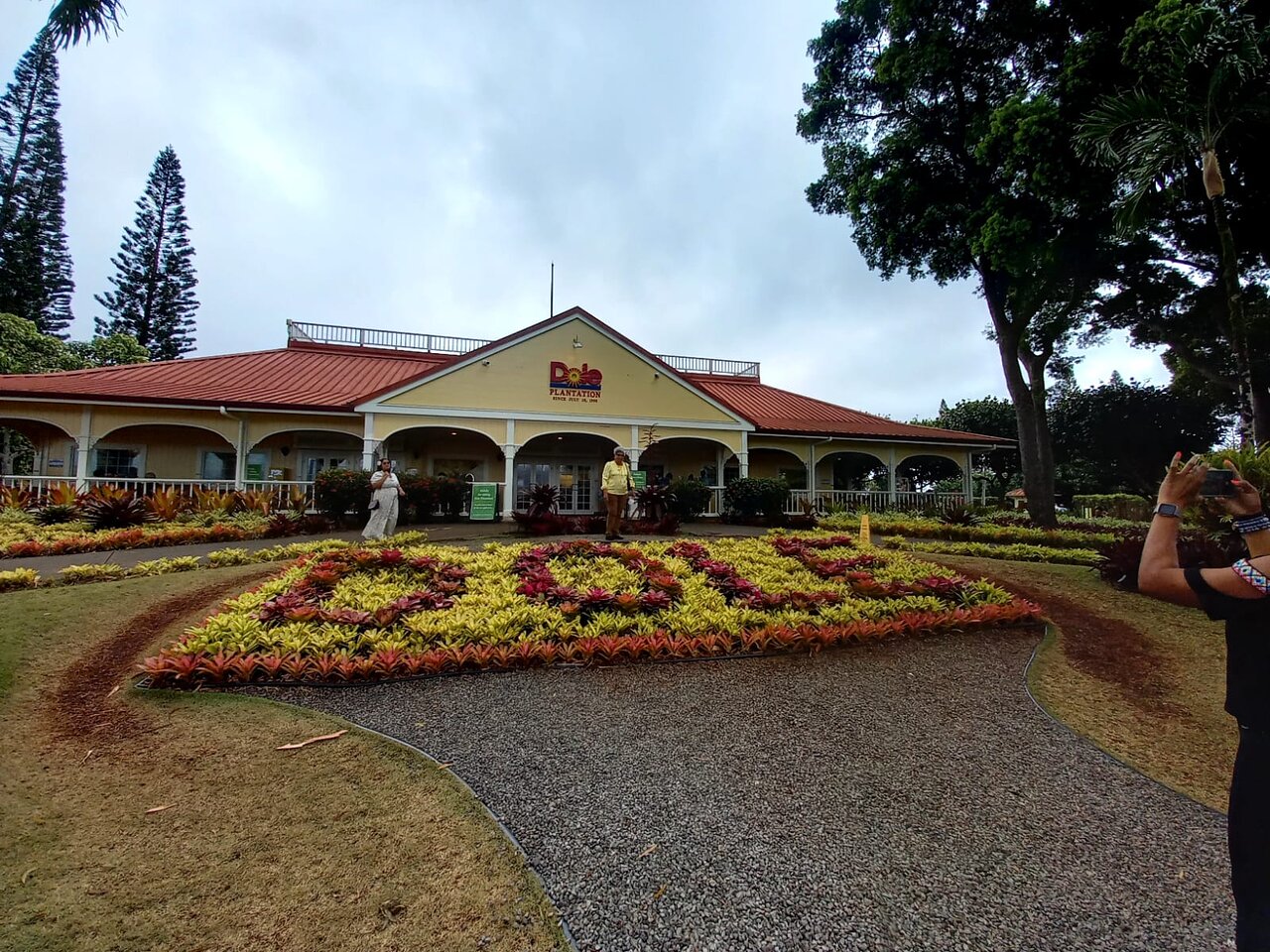
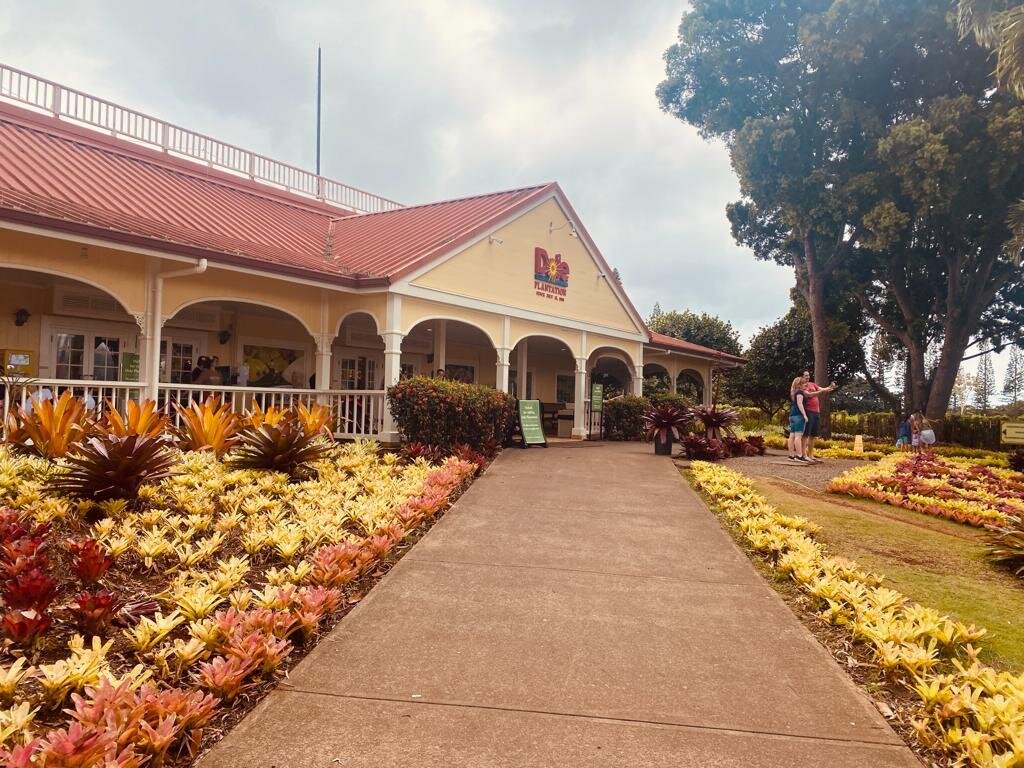
Доле Плантатион
Историјска плантажа ананаса Доле.
2
Халеива Товн Центер
Стари историјски град Халеива
3
Капитол државе Хаваји
Зграда је окружена рефлектујућим базеном, који симболизује Тихи океан. Два законодавна дома су у облику купа, што симболизује вулкане који су формирали Хавајска острва. Стубови око периметра зграде имају облике који подсећају на краљевске палме. Постоји осам колона у четири реда са обе стране зграде, који представљају осам главних острва Хаваја; сетови од осам предмета појављују се на другим местима унутар и дуж спољашње стране зграде. Капитол је изграђен на отвореном, омогућавајући сунцу, ветру и киши да уђу; централни атријум се отвара ка небу и дуге се понекад могу видети унутар зграде када пада киша. Четири стабла кукуи орашастих плодова (државно дрво Хаваја) представљају нумеричку референцу на четири главна округа у држави Хаваји и четири главна хавајска бога (Кукаилимоку, Кане, Лоно и Каналоа).[2] Комплети од четири предмета појављују се на многим другим местима у згради. Када стоје у центру структуре, кроз стаклене зидове се могу видети лустери из оба законодавна дома, који представљају сунце и месец, док је простор који је иначе резервисан за ротонду у већини капитолских зграда остављен отворен за небо. Речено је да је небо купола главног града Хаваја. Немачко-амерички уметник Отто Пиене дизајнирао је лустере, који су кинетичке скулптуре направљене од малих предмета. Сунчев лустер у Кући је направљен од десетина позлаћених глобуса, а лустер Месечев у Сенату је направљен од 620 белих шкољки наутилуса. [2]
4
Палата Иолани
Зграда је завршена у новембру 1882. и коштала је преко 340.000 долара - огромно богатство у то време. Мери око 140 стопа (43 м) са 100 стопа (30 м) и уздиже се на два спрата изнад подигнутог подрума до висине 54 стопе (16 м).
5
Кип краља Камехамехе
Пре него што је друга статуа могла да буде послата, неки становници Фокландских острва су пронашли оригинал. Продали су га капетану разбијеног брода за 500 долара, а капетан га је затим продао Гибсону за 875 долара. Сада Хаваји имају две статуе. Оригинал стоји у близини легендарног краљевог родног места у Капа`ау у Кохали, на острву Хаваји. Препоручени стоји испред Алиʻиолани Хале.[5] Трећа реплика је наручена када су Хаваји стекли државност и откривена је 1969. Стајала је у Капитолу Сједињених Држава поред статуе оца Дејмијена и била је најтежа статуа у Статуари Халл, тешка 15.000 фунти. Године 2008, убрзо након што је Барак Обама рођен на Хавајима номинован за кандидата Демократске странке за председника, статуа је премештена из мрачног задњег реда Статуари Халл на истакнуто место у Еманципатион Халл у новом центру за посетиоце Капитола.
6
Dole Plantation
Historical Dole Pineapple Plantation.
7
Haleiwa Town Center
Old Historical Haleiwa Town
8
Hawaii State Capitol
The building is surrounded by a reflecting pool, symbolizing the Pacific Ocean. The two legislative chambers are cone-shaped, symbolizing volcanoes that formed the Hawaiian Islands. The columns around the perimeter of the building have shapes resembling royal palm trees. There are eight columns in four rows at either side of the building, representing the eight main islands of Hawaii; sets of eight items appear in other places inside and along the outside of the building. The Capitol is built with an open-air design, allowing sun, wind, and rain to enter; the central atrium opens to the sky and rainbows can sometimes be seen inside the building when it rains. Four kukui nut trees (Hawaii's state tree) are a numerical reference to the four main counties in the State of Hawaii and the four major Hawaiian gods (Kukailimoku, Kane, Lono, and Kanaloa).[2] Sets of four items appear in many other places in the building. When standing in the center of the structure, the chandeliers from both legislative chambers, which represent the sun and moon, can be seen through the glass walls, while the area that is normally reserved for a rotunda in most capitol buildings is left open to the sky. It is said that the sky is Hawaii's capitol dome. German-American artist Otto Piene designed the chandeliers, which are kinetic sculptures made of small objects. The Sun chandelier in the House is made of dozens of gold-plated globes, and the Moon chandelier in the Senate is made of 620 white chambered nautilus shells. [2]
9
Iolani Palace
The building was completed in November 1882 and cost over $340,000 — a vast fortune at the time. It measures about 140 feet (43 m) by 100 feet (30 m), and rises two stories over a raised basement to 54 feet (16 m) high.
10
King Kamehameha Statue
Before the second statue could be sent, the original was recovered by some Falkland Islanders. They sold it to the Captain of the wrecked ship for $500, and the Captain then sold it to Gibson for $875. Now Hawaii has two statues. The original stands near the legendary king's birthplace in Kapaʻau in Kohala, on the island of Hawaiʻi. The re-ordered one stands in front of Aliʻiolani Hale.[5] A third replica was commissioned when Hawaii attained statehood and was unveiled in 1969. It stood in the United States Capitol alongside the Father Damien Statue and was the heaviest statue in Statuary Hall, weighing 15,000 pounds. In 2008, shortly after Hawaii-born Barack Obama was nominated as the Democratic Party’s candidate for the presidency, the statue was moved from a dark, back row of Statuary Hall to a prominent position in Emancipation Hall in the Capitol's new visitor center.
11
Waimea Bay
Waimea Bay is the deepest bay on Oahu’s North Shore and the birthplace of big-wave surfing, especially in winter. Between November to February, waves reach up to 40 feet in height, challenging even the most expert surfers.
12
Haleiwa
Haleʻiwa is filled with local style and country ambiance, as well as cool surf shops and boutiques, charming art galleries and understated restaurants housed in plantation-era buildings, don't forget the famous, Matsumoto Shave Ice.
13
Sunset Beach
Known for big waves of up to 30-40 foot waves can be found here during the winter months. All the surfing contests are held on this world famous beach.
14
National Memorial Cemetery of the Pacific
Punchbowl's Hawaiian name, "Puowaina," the most common is "Hill of Sacrifice.The National Memorial Cemetery of the Pacific was established in 1948. From January 4-March 25, 1949, nearly 10,000 World War II casualties were laid to rest in the Punchbowl crater; another 1,777 were interred in June of the same year. Now, it is final resting place for World War II, Korean War, Vietnam War.
15
Dole Plantation
Historical Dole Pineapple Plantation.
16
Haleiwa Town Center
Old Historical Haleiwa Town
17
Hawaii State Capitol
The building is surrounded by a reflecting pool, symbolizing the Pacific Ocean. The two legislative chambers are cone-shaped, symbolizing volcanoes that formed the Hawaiian Islands. The columns around the perimeter of the building have shapes resembling royal palm trees. There are eight columns in four rows at either side of the building, representing the eight main islands of Hawaii; sets of eight items appear in other places inside and along the outside of the building. The Capitol is built with an open-air design, allowing sun, wind, and rain to enter; the central atrium opens to the sky and rainbows can sometimes be seen inside the building when it rains. Four kukui nut trees (Hawaii's state tree) are a numerical reference to the four main counties in the State of Hawaii and the four major Hawaiian gods (Kukailimoku, Kane, Lono, and Kanaloa).[2] Sets of four items appear in many other places in the building. When standing in the center of the structure, the chandeliers from both legislative chambers, which represent the sun and moon, can be seen through the glass walls, while the area that is normally reserved for a rotunda in most capitol buildings is left open to the sky. It is said that the sky is Hawaii's capitol dome. German-American artist Otto Piene designed the chandeliers, which are kinetic sculptures made of small objects. The Sun chandelier in the House is made of dozens of gold-plated globes, and the Moon chandelier in the Senate is made of 620 white chambered nautilus shells. [2]
18
Iolani Palace
The building was completed in November 1882 and cost over $340,000 — a vast fortune at the time. It measures about 140 feet (43 m) by 100 feet (30 m), and rises two stories over a raised basement to 54 feet (16 m) high.
19
King Kamehameha Statue
Before the second statue could be sent, the original was recovered by some Falkland Islanders. They sold it to the Captain of the wrecked ship for $500, and the Captain then sold it to Gibson for $875. Now Hawaii has two statues. The original stands near the legendary king's birthplace in Kapaʻau in Kohala, on the island of Hawaiʻi. The re-ordered one stands in front of Aliʻiolani Hale.[5] A third replica was commissioned when Hawaii attained statehood and was unveiled in 1969. It stood in the United States Capitol alongside the Father Damien Statue and was the heaviest statue in Statuary Hall, weighing 15,000 pounds. In 2008, shortly after Hawaii-born Barack Obama was nominated as the Democratic Party’s candidate for the presidency, the statue was moved from a dark, back row of Statuary Hall to a prominent position in Emancipation Hall in the Capitol's new visitor center.
20
Waimea Bay
Waimea Bay is the deepest bay on Oahu’s North Shore and the birthplace of big-wave surfing, especially in winter. Between November to February, waves reach up to 40 feet in height, challenging even the most expert surfers.
21
Haleiwa
Haleʻiwa is filled with local style and country ambiance, as well as cool surf shops and boutiques, charming art galleries and understated restaurants housed in plantation-era buildings, don't forget the famous, Matsumoto Shave Ice.
22
Sunset Beach
Known for big waves of up to 30-40 foot waves can be found here during the winter months. All the surfing contests are held on this world famous beach.
23
National Memorial Cemetery of the Pacific
Punchbowl's Hawaiian name, "Puowaina," the most common is "Hill of Sacrifice.The National Memorial Cemetery of the Pacific was established in 1948. From January 4-March 25, 1949, nearly 10,000 World War II casualties were laid to rest in the Punchbowl crater; another 1,777 were interred in June of the same year. Now, it is final resting place for World War II, Korean War, Vietnam War.
Show 20 више заустављања
Политика отказивања
All sales are final. No refund is available for cancellations.
Фотографије путника
Коментара (17)
Companion16895906016
Jan 2024
Fun tourist attraction for the kids and an interesting tour for the adults. We enjoyed learning about the history of the pineapple industry.
ahpwinters
Jul 2023
If you just want a Dole T shirt, go ahead and stop. There are LINES for everything!! Waited 2.5 hours for a 20 minute train ride. They hide the true line so you don’t know what you are in for. Wasted half a day at this place! Don’t go.
Одговор домаћина
Sep 2023
There is aways an option to do a private tour. You can do the tour at your own pace. Plan it exactly the way you want it have the tour guise execute it just the way your want it.
Harvey J
May 2023
Very good time. Bought several souvenirs. But never took the tour or train ride. Made it on our last day in Honolulu. Used the transit system. From Waikiki. Easy to get there. But it is time-consuming

Повезани догађаји

Догађаји у истој области

Мислимо да је ваш језик English
На ком језику желите да видите ову страницу?
English English
Мислимо да је ваш град Нев Иорк Цити
У ком граду бисте тражили истраживање?
Нев Иорк Цити
New York City