Badać
Log in

Plantacja ananasów Dole, historyczne miasto Haleiwa i wycieczka po mieście Honolulu

Przegląd
Learn the history of Hawaii and the pineapples, history of the Haleiwa, while enjoying the beautiful scenery of Northshore Oahu.

Snorkeling at a secret beach.

Require 4 guests to operate. We will be cancelling the tour if there is only 2.
Miasto: Honolulu
Sat 20 Dec
i
Możesz wybrać datę już na stronie rezerwacyjnej
Zaczynać od $199.00
Sat 20 Dec
Zaczynać od $199.00
Zarezerwuj
co jest zawarte
Obiekt zapewnia bezpłatną wodę
5-6 godzinna wycieczka po wyspie Oahu
Complimentary water is provided
small group tour
bag of chips
Air-conditioned vehicle
5-6 hour tour of the Oahu island
Dodatkowe informacje
  • Infants and small children can ride in a pram or stroller
  • Infants are required to sit on an adult’s lap
  • Suitable for all physical fitness levels
  • child under 5 need to have car seats.
Czego oczekiwać
1
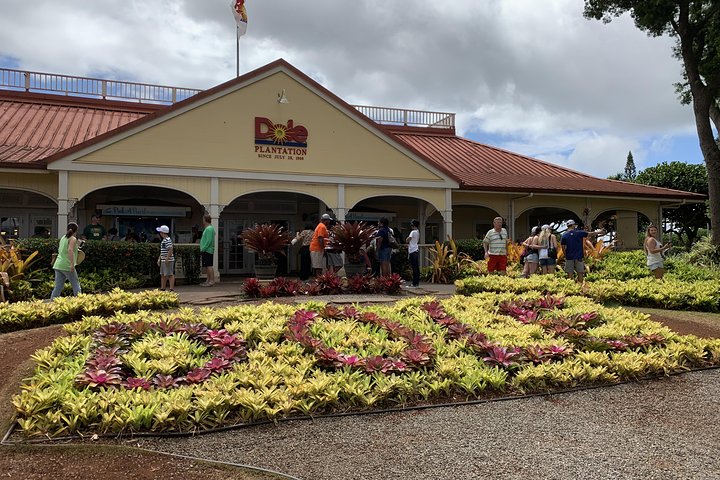
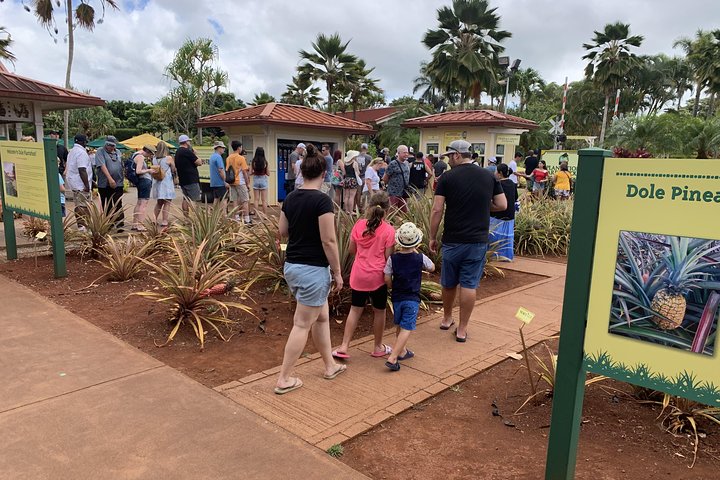
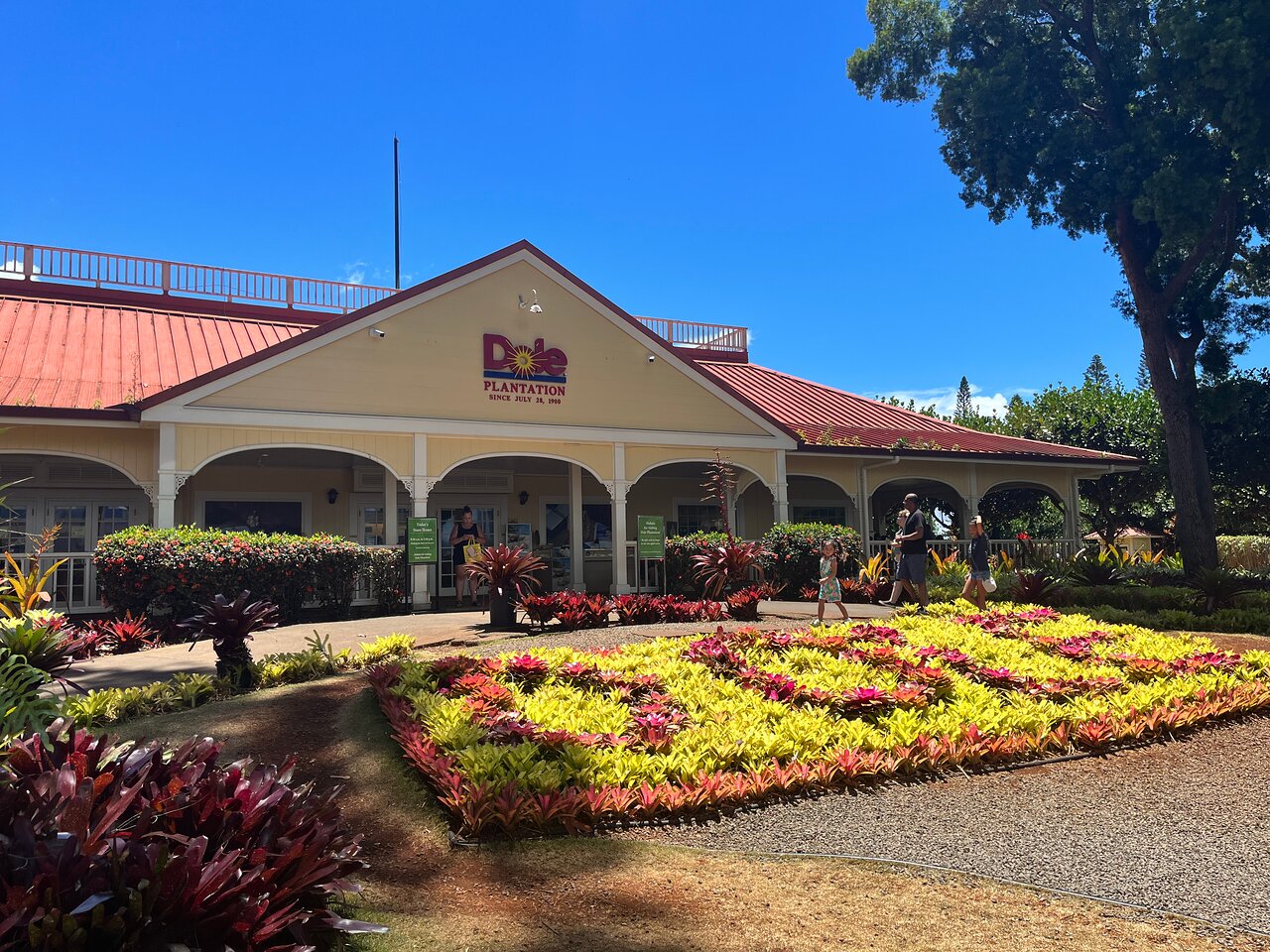
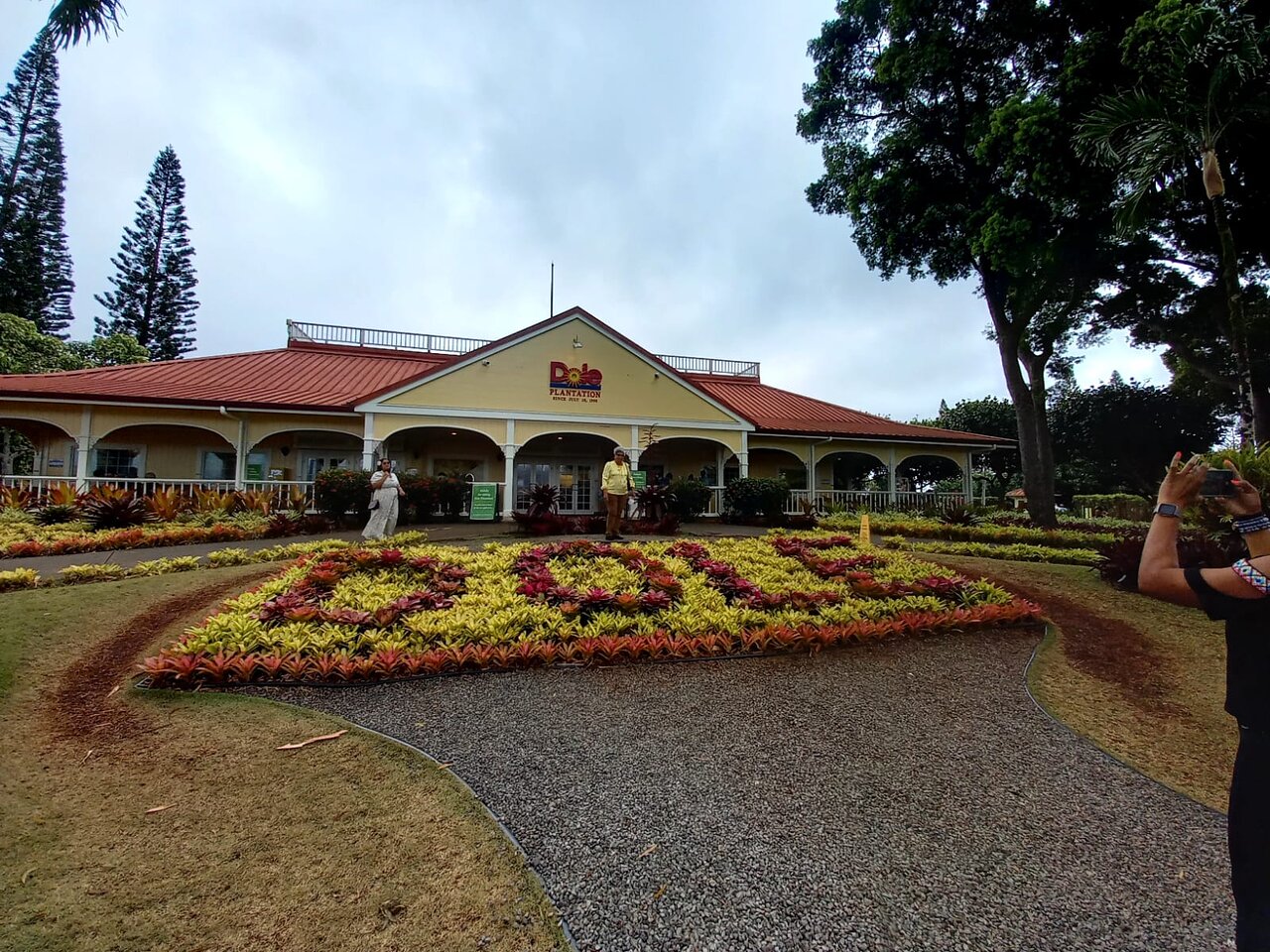
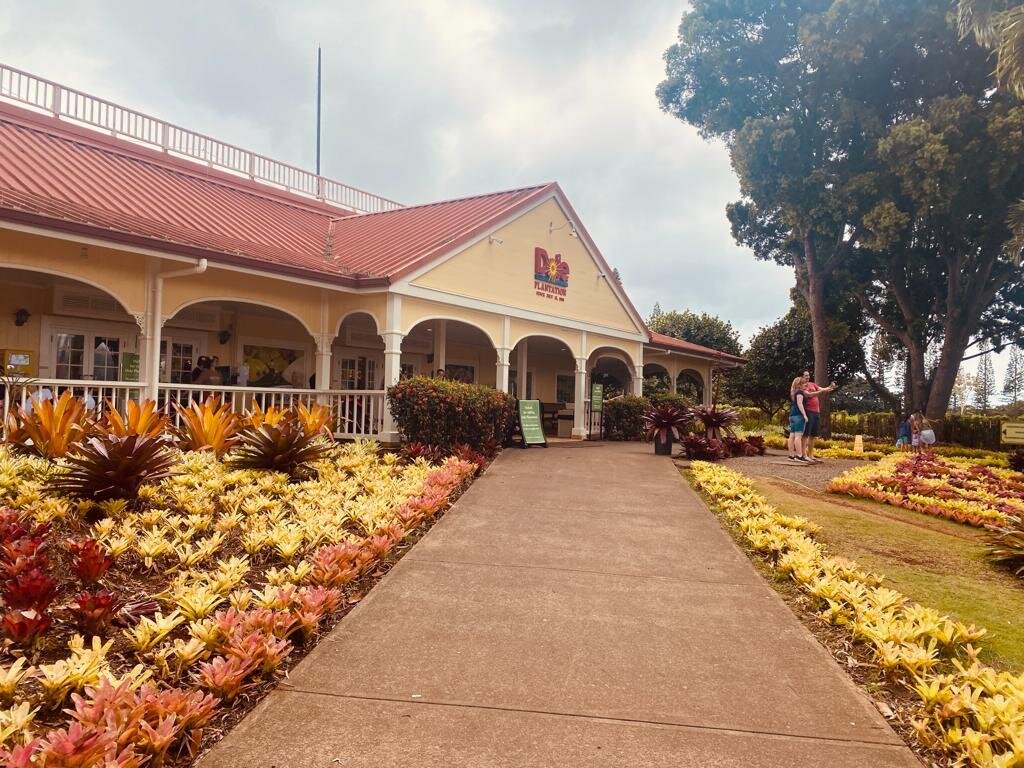
Plantacja Dole
Historyczna plantacja ananasów Dole.
2
Centrum miasta Haleiwa
Stare historyczne miasto Haleiwa
3
Kapitol stanu Hawaje
Budynek otoczony jest odbijającym światło basenem, symbolizującym Ocean Spokojny. Dwie izby ustawodawcze mają kształt stożka, co symbolizuje wulkany, które utworzyły Wyspy Hawajskie. Kolumny wokół obwodu budynku mają kształty przypominające królewskie palmy. Po obu stronach budynku znajduje się osiem kolumn w czterech rzędach, reprezentujących osiem głównych wysp Hawajów; zestawy ośmiu przedmiotów pojawiają się w innych miejscach wewnątrz i na zewnątrz budynku. Kapitol jest zbudowany na otwartym powietrzu, co pozwala na wejście słońca, wiatru i deszczu; centralne atrium otwiera się na niebo, a podczas deszczu wewnątrz budynku czasami można zobaczyć tęczę. Cztery drzewa orzechowe kukui (drzewo stanowe Hawajów) to liczbowe odniesienie do czterech głównych hrabstw w stanie Hawaje i czterech głównych hawajskich bogów (Kukailimoku, Kane, Lono i Kanaloa). Zestawy czterech przedmiotów pojawiają się w wielu innych miejscach budynku. Stojąc pośrodku konstrukcji, przez szklane ściany widać żyrandole z obu izb ustawodawczych, które reprezentują słońce i księżyc, podczas gdy obszar, który zwykle jest zarezerwowany dla rotundy w większości budynków kapitolu, pozostaje otwarty dla niebo. Mówi się, że niebo jest kopułą stolicy Hawajów. Żyrandole, które są kinetycznymi rzeźbami wykonanymi z małych przedmiotów, zaprojektował niemiecko-amerykański artysta Otto Piene. Żyrandol słoneczny w Izbie składa się z dziesiątek pozłacanych kul, a żyrandol księżycowy w Senacie z 620 muszli łodzików z białymi komorami. [2]
4
Pałac Iolani
Budowę ukończono w listopadzie 1882 roku i kosztowała ona ponad 340 000 dolarów — była to wówczas ogromna fortuna. Mierzy około 140 stóp (43 m) na 100 stóp (30 m) i wznosi się dwa piętra nad podniesioną piwnicą do wysokości 54 stóp (16 m).
5
Posąg króla Kamehameha
Zanim wysłano drugi posąg, oryginał został odzyskany przez niektórych mieszkańców Falklandów. Sprzedali go kapitanowi wraku statku za 500 dolarów, a następnie kapitan sprzedał go Gibsonowi za 875 dolarów. Teraz Hawaje mają dwa posągi. Oryginał stoi w pobliżu miejsca narodzin legendarnego króla w Kapa'au w Kohala na wyspie Hawai'i. Ponownie zamówiony stoi przed Ali'iolani Hale. Trzecia replika została zamówiona, gdy Hawaje uzyskały państwowość i została odsłonięta w 1969 roku. Stała na Kapitolu Stanów Zjednoczonych obok pomnika Ojca Damiena i była najcięższym posągiem w Statuary Hall, ważącym 15 000 funtów. W 2008 roku, krótko po tym, jak urodzony na Hawajach Barack Obama został nominowany jako kandydat Partii Demokratycznej na prezydenta, pomnik został przeniesiony z ciemnego tylnego rzędu Statuary Hall na eksponowane miejsce w Emancipation Hall w nowym centrum dla odwiedzających Kapitol.
6
Dole Plantation
Historical Dole Pineapple Plantation.
7
Haleiwa Town Center
Old Historical Haleiwa Town
8
Hawaii State Capitol
The building is surrounded by a reflecting pool, symbolizing the Pacific Ocean. The two legislative chambers are cone-shaped, symbolizing volcanoes that formed the Hawaiian Islands. The columns around the perimeter of the building have shapes resembling royal palm trees. There are eight columns in four rows at either side of the building, representing the eight main islands of Hawaii; sets of eight items appear in other places inside and along the outside of the building. The Capitol is built with an open-air design, allowing sun, wind, and rain to enter; the central atrium opens to the sky and rainbows can sometimes be seen inside the building when it rains. Four kukui nut trees (Hawaii's state tree) are a numerical reference to the four main counties in the State of Hawaii and the four major Hawaiian gods (Kukailimoku, Kane, Lono, and Kanaloa).[2] Sets of four items appear in many other places in the building. When standing in the center of the structure, the chandeliers from both legislative chambers, which represent the sun and moon, can be seen through the glass walls, while the area that is normally reserved for a rotunda in most capitol buildings is left open to the sky. It is said that the sky is Hawaii's capitol dome. German-American artist Otto Piene designed the chandeliers, which are kinetic sculptures made of small objects. The Sun chandelier in the House is made of dozens of gold-plated globes, and the Moon chandelier in the Senate is made of 620 white chambered nautilus shells. [2]
9
Iolani Palace
The building was completed in November 1882 and cost over $340,000 — a vast fortune at the time. It measures about 140 feet (43 m) by 100 feet (30 m), and rises two stories over a raised basement to 54 feet (16 m) high.
10
King Kamehameha Statue
Before the second statue could be sent, the original was recovered by some Falkland Islanders. They sold it to the Captain of the wrecked ship for $500, and the Captain then sold it to Gibson for $875. Now Hawaii has two statues. The original stands near the legendary king's birthplace in Kapaʻau in Kohala, on the island of Hawaiʻi. The re-ordered one stands in front of Aliʻiolani Hale.[5] A third replica was commissioned when Hawaii attained statehood and was unveiled in 1969. It stood in the United States Capitol alongside the Father Damien Statue and was the heaviest statue in Statuary Hall, weighing 15,000 pounds. In 2008, shortly after Hawaii-born Barack Obama was nominated as the Democratic Party’s candidate for the presidency, the statue was moved from a dark, back row of Statuary Hall to a prominent position in Emancipation Hall in the Capitol's new visitor center.
11
Waimea Bay
Waimea Bay is the deepest bay on Oahu’s North Shore and the birthplace of big-wave surfing, especially in winter. Between November to February, waves reach up to 40 feet in height, challenging even the most expert surfers.
12
Haleiwa
Haleʻiwa is filled with local style and country ambiance, as well as cool surf shops and boutiques, charming art galleries and understated restaurants housed in plantation-era buildings, don't forget the famous, Matsumoto Shave Ice.
13
Sunset Beach
Known for big waves of up to 30-40 foot waves can be found here during the winter months. All the surfing contests are held on this world famous beach.
14
National Memorial Cemetery of the Pacific
Punchbowl's Hawaiian name, "Puowaina," the most common is "Hill of Sacrifice.The National Memorial Cemetery of the Pacific was established in 1948. From January 4-March 25, 1949, nearly 10,000 World War II casualties were laid to rest in the Punchbowl crater; another 1,777 were interred in June of the same year. Now, it is final resting place for World War II, Korean War, Vietnam War.
15
Dole Plantation
Historical Dole Pineapple Plantation.
16
Haleiwa Town Center
Old Historical Haleiwa Town
17
Hawaii State Capitol
The building is surrounded by a reflecting pool, symbolizing the Pacific Ocean. The two legislative chambers are cone-shaped, symbolizing volcanoes that formed the Hawaiian Islands. The columns around the perimeter of the building have shapes resembling royal palm trees. There are eight columns in four rows at either side of the building, representing the eight main islands of Hawaii; sets of eight items appear in other places inside and along the outside of the building. The Capitol is built with an open-air design, allowing sun, wind, and rain to enter; the central atrium opens to the sky and rainbows can sometimes be seen inside the building when it rains. Four kukui nut trees (Hawaii's state tree) are a numerical reference to the four main counties in the State of Hawaii and the four major Hawaiian gods (Kukailimoku, Kane, Lono, and Kanaloa).[2] Sets of four items appear in many other places in the building. When standing in the center of the structure, the chandeliers from both legislative chambers, which represent the sun and moon, can be seen through the glass walls, while the area that is normally reserved for a rotunda in most capitol buildings is left open to the sky. It is said that the sky is Hawaii's capitol dome. German-American artist Otto Piene designed the chandeliers, which are kinetic sculptures made of small objects. The Sun chandelier in the House is made of dozens of gold-plated globes, and the Moon chandelier in the Senate is made of 620 white chambered nautilus shells. [2]
18
Iolani Palace
The building was completed in November 1882 and cost over $340,000 — a vast fortune at the time. It measures about 140 feet (43 m) by 100 feet (30 m), and rises two stories over a raised basement to 54 feet (16 m) high.
19
King Kamehameha Statue
Before the second statue could be sent, the original was recovered by some Falkland Islanders. They sold it to the Captain of the wrecked ship for $500, and the Captain then sold it to Gibson for $875. Now Hawaii has two statues. The original stands near the legendary king's birthplace in Kapaʻau in Kohala, on the island of Hawaiʻi. The re-ordered one stands in front of Aliʻiolani Hale.[5] A third replica was commissioned when Hawaii attained statehood and was unveiled in 1969. It stood in the United States Capitol alongside the Father Damien Statue and was the heaviest statue in Statuary Hall, weighing 15,000 pounds. In 2008, shortly after Hawaii-born Barack Obama was nominated as the Democratic Party’s candidate for the presidency, the statue was moved from a dark, back row of Statuary Hall to a prominent position in Emancipation Hall in the Capitol's new visitor center.
20
Waimea Bay
Waimea Bay is the deepest bay on Oahu’s North Shore and the birthplace of big-wave surfing, especially in winter. Between November to February, waves reach up to 40 feet in height, challenging even the most expert surfers.
21
Haleiwa
Haleʻiwa is filled with local style and country ambiance, as well as cool surf shops and boutiques, charming art galleries and understated restaurants housed in plantation-era buildings, don't forget the famous, Matsumoto Shave Ice.
22
Sunset Beach
Known for big waves of up to 30-40 foot waves can be found here during the winter months. All the surfing contests are held on this world famous beach.
23
National Memorial Cemetery of the Pacific
Punchbowl's Hawaiian name, "Puowaina," the most common is "Hill of Sacrifice.The National Memorial Cemetery of the Pacific was established in 1948. From January 4-March 25, 1949, nearly 10,000 World War II casualties were laid to rest in the Punchbowl crater; another 1,777 were interred in June of the same year. Now, it is final resting place for World War II, Korean War, Vietnam War.
Show 20 więcej przystanków
Zasady anulowania
All sales are final. No refund is available for cancellations.
Zdjęcia podróżników
Recenzje (17)
Philip_J
Feb 2020
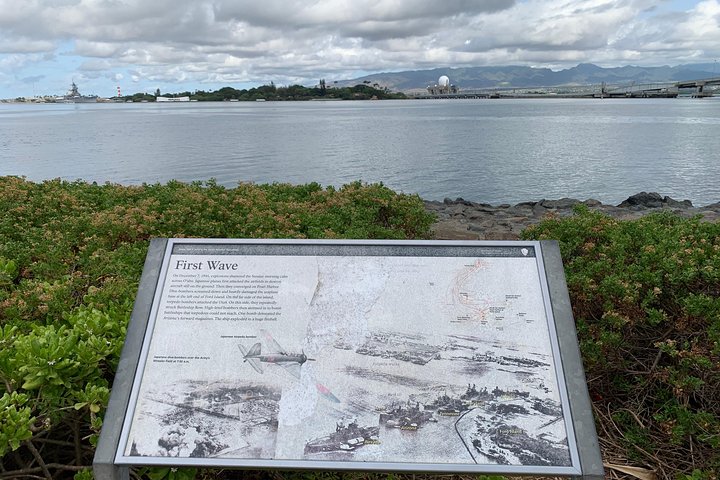
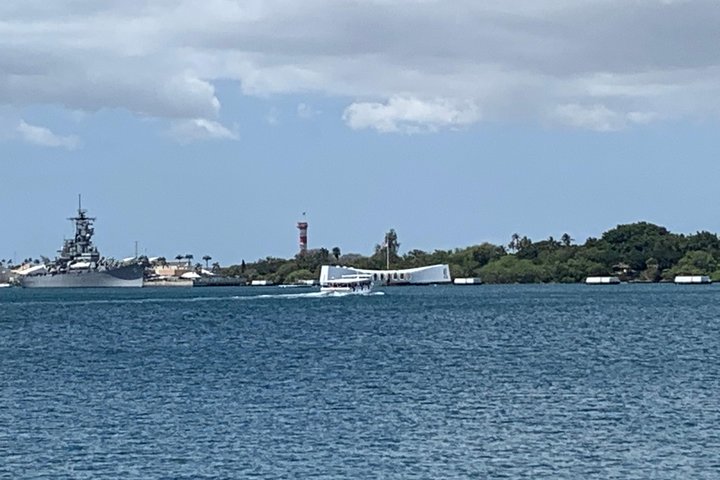
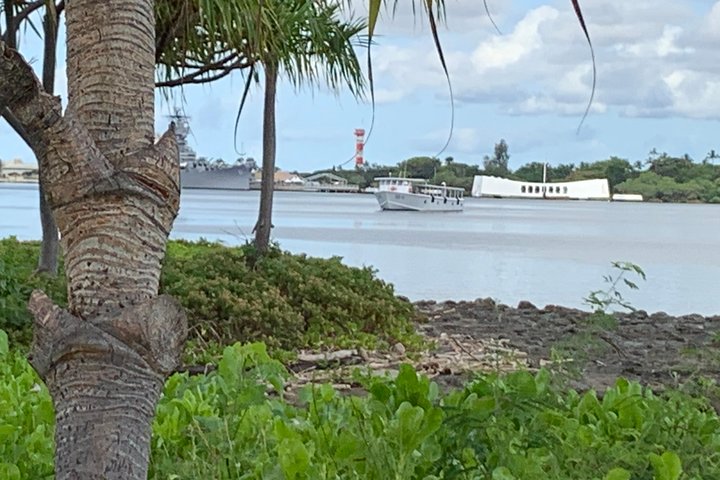
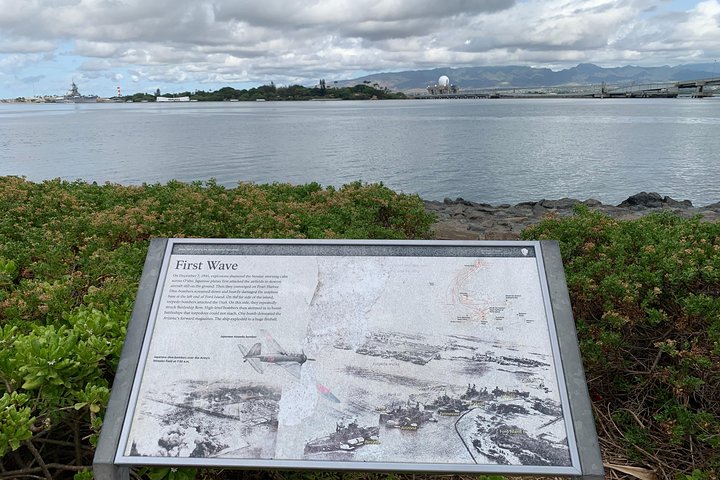
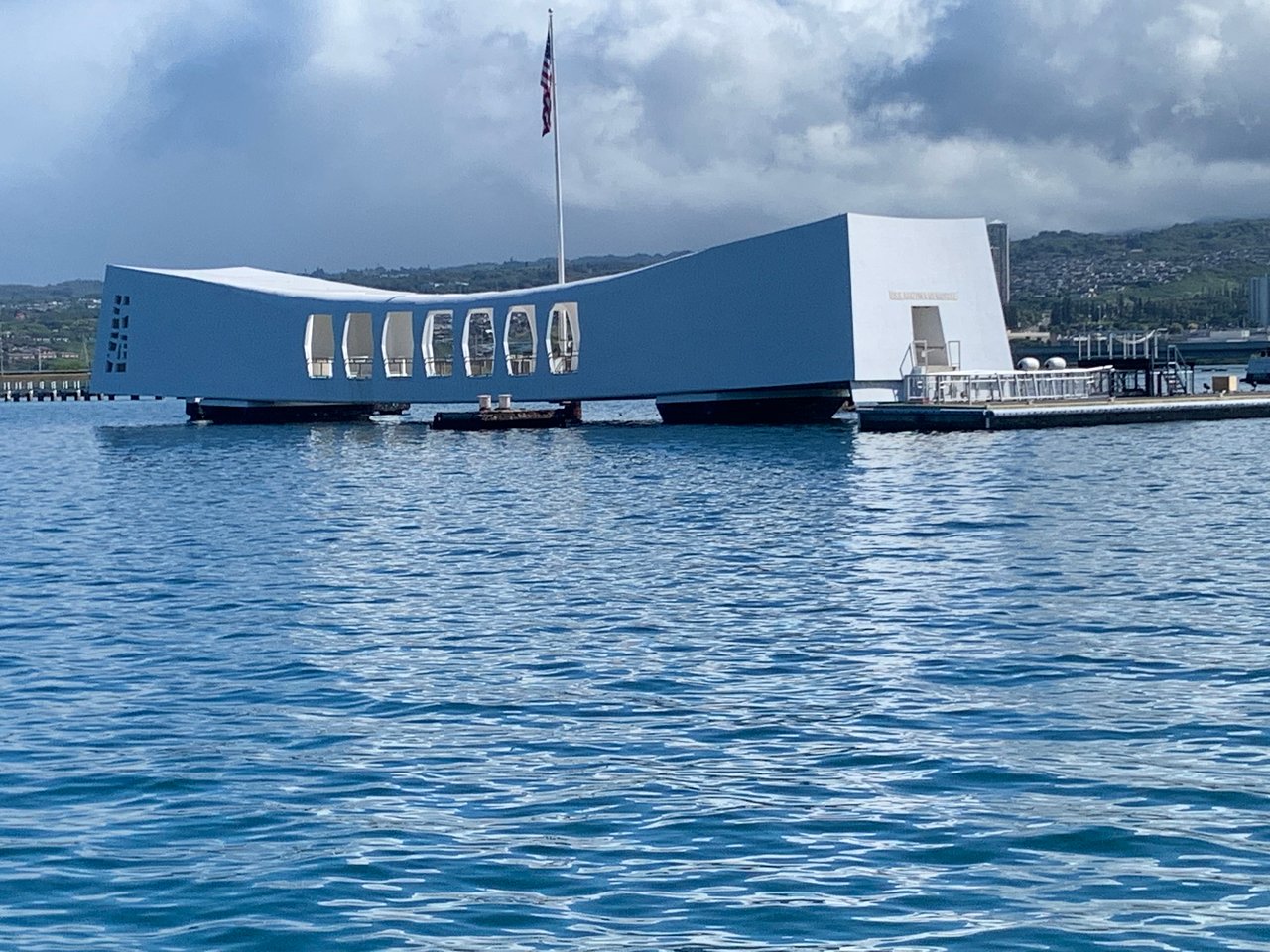
Our family of 4 (with kids 11 and 9) sure did enjoy the company of Jay, our tour guide, and our day sights and discoveries! Communication was considerate and most helpful. Jay was prompted and yet never pushing. We started early with warm greeting, bottled water, and layout for the day along with invite for questions and request at anytime. Jay had all the details figured out and we smoothly moved from place to place without feeling rushed (and being free of time awareness on our part, was rare treat!). Visiting Pearl Harbor in the Hawaiian sunrise light is meaningful and beautiful. Jay gave us ideal directions on how to get in (it’s free!) and where to go once inside. This was one of the reasons we came to Oahu, so our kids could experience this monumental moment in history. They were quite taken with it. Afterwards, the mood was lighten with tasty Dole Whip at Dole Plantation...our daughter the newest fan! Jay then had cookie treats for us. Driving along coastline while hearing history and fun random stories about Hawaii from Jay, as he drove us to lookouts and the Polynesian Cultural Center, was more than we anticipated and interesting. The mood was easy going, sit back, and enjoy. We did! Jay continued to take care of the details, making sure we visited our desired areas, saw to it that learned hula dancing, and even held our seats for the show despite getting ‘stink eye’ from those wanting the prime spots he held for us. Thanks, Jay! As we climbed back into car, Jay greeted us with cool refreshing canned juice that we sipped as we drove along beautiful mountain range and coastline. After hearing our daughter’s learning of state capitals, Jay made sure we drove by government buildings of old and new to take a few traditional and then some goofy pics. We were gone from 6:15am to about 5:00. What a day to remember!
ynos9255
Feb 2020
We were dropped off at each location and this was never a tour more like a shuttle. Once we were dropped off we were given a time which we needed to be back in the parking lot.
David T
Nov 2019
Flew from Maui and well worth the trip. The luau at the Polynesion Cultural center was amazing. What a dinner and the show was spectacular. Pearl Harbor was great too. It was really informative to be there and see what really happened. This is must if going to Hawaii.

Powiązane wydarzenia

Wydarzenia w tym samym obszarze

Uważamy, że twój język jest English
W jakim języku chcesz wyświetlić tę stronę?
English English
Uważamy, że Twoje miasto jest Nowy Jork
Którego miasta szukasz do odkrycia?
Nowy Jork
New York City